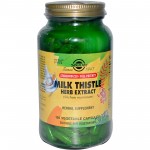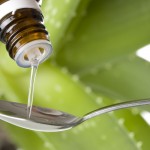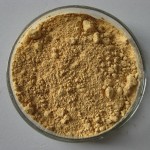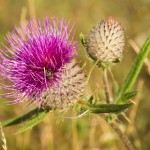
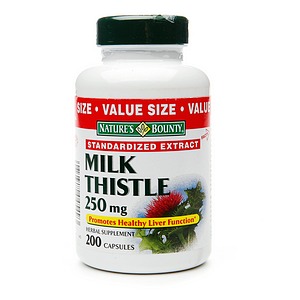
 The herb also comes in extract form. The extract is taken from the seeds of dried milk thistle flowers.
The traditional extract that comes from the seeds contains about 4 -6% of silymarin. The extract is composed of approximately 65 - 80% silymarin, which is a flavolignan complex, and 20 - 35% fatty acids. Silymarin is compound of polyphenolic molecules that include seven related flavonolignans (silybin B, silybin A, silychristin, silydianin, isosilybin B, isosilybin A and isosilychristin) and a flavonoid taxifolin. Based on clinical trials, silymarin has been given in doses ranging from 420 to 480 mg per day in divided doses, 2 -3 times per day. But, a larger amount such as 600 mg daily has been given for those with type II Diabetes and doses of 600 - 1200 mg per day have been recommended for patients with chronic Hepatitis C infection.
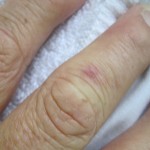
The liquid milk thistle extract is known for its demulcent property, and as such can be used to treat skin conditions such as eczema and acne. The extract seems to result in a dramatic reduction in dryness, redness and cracking as well as a healthy glow on skin. Because of its effect in improving the secretion of bile, it can be used as a mild laxative, which may aid constipation. While the health benefits of the extract for the liver have been proven over time, this herb also has other health benefits. Many studies on milk thistle are in the process, examining its effect on specific types of cancer, its potential ability to reduce cholesterol and its ability to protect the muscles of the heart.