Post Contents
- 1 Basic Details About Milk Thistle
- 2 The Benefits Of Milk Thistle For Specific Conditions
- 2.1 For Opiate Withdrawal As Liver Detoxifier
- 2.2 For Mushroom Poisoning Treatment
- 2.3 For Menopause | How Liver Cleansing Improves Menopausal Symptoms
- 2.4 For Indigestion | Maintaining Optimum Digestive Health
- 2.5 For High Cholesterol | Reducing Cholesterol Levels Of The Body
- 2.6 For Hangovers | Remedying Hangovers Naturally
- 2.7 For Diabetes | Silymarin Antioxidant On Diabetics
- 2.8 For Cirrhosis | Protects & Restores Damaged Liver Cells
- 2.9 For Chronic Liver Disease
- 2.10 For Cancer | Potency of Silibinin As Anti-Cancer Agent
- 2.11 For Acute Viral Hepatitis & Its Hepatoprotective Properties
- 3 Several Forms Of Milk Thistle
- 4 Information On How To Buy & Take Milk Thistle
Basic Details About Milk Thistle
What Is Milk Thistle | Plant Description & Health Benefits

What is milk thistle? Also known as Mary thistle, holy thistle and even silymarin, this herb has a strong reputation of detoxifying the liver. However, little is known about its other health benefits.
Milk thistle is native to the Mediterranean region but is now growing throughout the world. It favors dry and sunny areas with spiny stems, reaching height of 4 -10 feet. It belongs to the family of Compositae with wide, shiny green leaves, which have white streaks along the leaf veins. Milk thistle gets its name from the milky fluid extracted from the leaves when crushed. The flowers are large and globular, purple in color and endowed with spines. Similar to other thistle species, the seed also has a bunch of white hairs. The seed contains most of the medicinal properties of the plant, characterized by its glossy, brownish spots. Milk thistle matures and spreads quickly and is regarded as a noxious weed in many parts of the world. However, it is widely cultivated in Europe for its herbal extracts.
When it comes to information on milk thistle, there is a little more data than on most other herbs: over 300 researches have been conducted to study the medicinal properties of this plant. According to these studies, the active ingredient of milk thistle, which is responsible in protecting the liver, is silymarin. Silymarin belongs to a group of flavonoids, including silidianin, silibinin and silicristin, which are believed to help in repairing liver cells damaged by alcohol and other toxic substances. Apart from its liver benefits, silymarin is a strong antioxidant.
There are numerous health benefits in milk thistle, but it is commonly used for protecting the body’s liver. It could even be called the liver’s best friend. The plant isn’t only used to protect the liver but also has a healing power. It benefits the liver by maintaining it. Other health benefits of milk thistle are its antioxidant property (protecting the body from free radicals at cellular level), stimulation of bile flow, ability to raise glutathione level and a promising anti-cancer property. The most important health benefit of milk thistle is its effectiveness in preventing alcohol-related diseases such as hepatitis, liver cirrhosis, liver damage and all forms of liver toxicity.
Many people can confuse milk thistle with holy thistle due to the similarity of their names. In fact, holy or blessed thistle is a different species scientifically called Cnicus benedictus. Milk thistle owes its reputed medicinal property from its seeds. However, confusion arises as to the real part of milk thistle that is used for health purposes. Actually, the main therapeutic parts of milk thistle are the tiny, firm fruits supposedly called achenes. Achenes are the substance left after the fluffy pappus or thicket is removed. A lot of herbal literature mistakenly refers to them as seeds. Although they appear to be similar to seeds, they are in fact fruits with firm coatings.
Different Medicinal Properties Of Milk Thistle Herb

Being a medicinal herb, milk thistle contains important phytochemicals that greatly affect the body. The typical phytochemical found in this herb is flavonolignands, flavonoids, silymarin. The main active component of milk thistle herb is silymarin, known to protect the liver; hence, this herb has been commonly recommended for the treatment and remedy of liver ailments. The silymarin complex is composed of four phytochemicals, namely silybinin, silydianin, silychristin and isosilybinin. In addition, the term ‘silymarin’ and ‘milk thistle’ are frequently used interchangeably.
The liver plays a major role inside the body, secreting vital substances for proper maintenance of body functions. It produces substances for breakdown of fats and produces urea that is an important substance of urine. It also helps in manufacturing certain types of amino acids, the building blocks of protein, and also aids in the conversion of glucose, the maintenance of proper glucose levels in the blood and the filtration of toxic substances that enter the body. These harmful substances include drugs at large doses not easily tolerated by the body, alcohol and other toxins in the food we eat. The role of milk thistle herb in the body is to guard the liver cells from being damaged by these harmful toxins so it stays in good shape and can perform its functions, hence leading to a healthier body.
Believed to be an antioxidant with great anti-cancer properties, studies on milk thistle show that silymarin and its other active components have the ability to prevent cancer cells from reproducing and replicating. Test tube samples even showed the herb’s ability to cut off the blood flow to the tumors, hence causing the death of the growth neoplasm or reducing its life span. But further research is still necessary to confirm the results and check for other potential effects.
Based on traditional medicine, milk thistle is used as an immediate antidote for people who have ingested Amanita phalloides, commonly known as death cap mushroom, a deadly poisonous fungus. Milk thistle herb has the ability to completely and immediately negate the deadly effects of the mushroom. It is highly effective when given 10 minutes after the mushroom is taken. If the herb is given with 24 hours, the risk of liver damage is greatly reduced and death may be averted.
For people suffering from liver damage and diseases such as acute and chronic hepatitis and liver cirrhosis from alcohol abuse, milk thistle herb is one of the recommended herbal remedies that can strengthen liver health.
As of today, no mainstream drug can benefit the people suffering from liver disease as well as milk thistle can. The stem, leaves, fruit and flower buds and even the roots of this plant have medicinal uses and are edible. However, milk thistle herb growing in the wild doesn’t offer enough silymarin compared to the specially cultivated variety used in commercial supplements and standardized extracts. If you are using this herb to treat an ailment, you had better stick to commercial formulations. The common dosage is 200 mg in a standardized silymarin pill or 1 teaspoon of liquid silymarin extract thrice a day.
What Are Common Side Effects Of Milk Thistle?
 For almost 2000 years, milk thistle has been used in the treatment of liver diseases and other related conditions. It can also help in reducing cholesterol levels and the chances of cancer cell growth. Yet, even though it is a natural product, it can still cause a number of side effects. Common possible side effects of milk thistle include diarrhea, headache, and nausea. There are also side effects that may be grave and must be reported immediately to your physician.
Side effects of milk thistle are minor and rarely occur, but being aware of these negative effects can help a lot. Taking milk thistle in large doses can cause mild to severe headaches. The supplement also has a mild laxative property, which may cause problems with bloating, flatulence and an upset stomach. Other reports claim body weakness as its side effect. As stated, the laxative effect is mild but if you are suffering from acute diarrhea, then stop taking milk thistle and consult your doctor. Other side effects like gas and stomach discomfort will fade away once you stop taking milk thistle. But for people who use milk thistle as a part of their therapy, it’s best to ask your doctor before discontinuing. Dose adjustments may solve the problem but it’s still your doctor who will advise you on the best way to reduce such side effects.
A number of patients complain of insomnia that can result to body weakness, fatigue and lack of energy. There have even been reports of sexual drive changes and impotency. Other milk thistle side effects could manifest in the skin including rashes and loss of appetite. All of these side effects are oftentimes mild and don’t pose a threat to one’s life. Perhaps the worst possible problem with the herb is if you happen to have an allergy to it: allergic reactions to milk thistle may include signs or symptoms such as a swollen throat, tongue, lips and even swelling in the entire face.
If these side effects occur, contact your doctor immediately, looking out for signs of allergic reactions such as facial and throat swelling. Keep in mind that anaphylactic shock, a severe form of allergic reaction, is a life-threatening condition. These side effects are not common, but they may happen. There are people who are sensitive to foreign substances without knowing about it.
So is milk thistle safe? Yes, but only if you follow the recommended dose and the dose that has your doctor’s approval. Taking anything in doses larger than prescribed or suggested is harmful and this is the same with milk thistle. Don’t use a larger dosage than what your body requires. It poses a risk of overdose and might cause health problems. Don’t forget to consult your healthcare provider before starting milk thistle therapy. If you feel that your doses have to be lowered, don’t hesitate to ask your doctor about it. Unpredictable side effects of milk thistle are also possible because of contaminants that may be in your milk thistle product. Since herbs and supplements are not strictly controlled by FDA, they are sometimes contaminated by foreign substance, other medications, herbs and even metals. For you to avoid this incident, always buy milk thistle products from a reputable manufacturer.
History & Popular Folklore On Milk Thistle Seed
 The medical use of milk thistle can be traced to more than 2000 years back in history, for the plant has long been known for its therapeutic effect on the gallbladder and liver. Even ancient philosophers Galen and Pliny praised the effectiveness of this herb in liver detoxification.
It is believed that early Christians dedicated the plant to Mary, which is why some call it Mary’s thistle, blessed thistle, or St. Mary’s thistle. During the 19th Century, the Eclectics used milk thistle for treating menstrual irregularities, varicose veins and congestion of kidneys, spleen and liver. Today, numerous scientific studies show that active substances in milk thistle guard the liver from the damaging effects of alcohol, viruses, toxins and certain drugs such as antidepressants, acetaminophen and antipsychotic drugs.
Based on Washington State Noxious Weed Control Board, milk thistle produces nearly 190 seeds for each flower and about 6000 seeds for each full-grown plant. For centuries, the seeds have been used for alternative therapies and natural remedies. In Europe, during the Middle Ages, it was believed that emotional distraction and depression arose from liver malfunction. Thus, in the spring, milk thistle seeds were made into health tonics as relief from the “winter blues” and to aid people in venting pent-up feelings dwelling in the liver. Today, medical science has proven that these beliefs from the past had some truth.
Many milk thistle formulations have standardized silymarin content containing about 70 - 80% of the plant’s active component. Some commonly available forms include liquid extract, capsules and tincture made from milk thistle seed. Another popular form of silymarin supplement is called silymarin phosphatidylcholine which, according to studies, is absorbed more easily compared to other forms. The substance phosphatidylcholine is an important element in cell membranes, allowing the silymarin to attach easily to cell membrane.
Is milk thistle seed safe? Although studies show its medicinal function, it is very important to consult your doctor if you are undergoing any treatment for liver damage or cancer with milk thistle as part of the treatment plan. For people with healthy livers who want to maintain that organ’s health, it is considered safe by the American Cancer Society. Side effects such as reports of diarrhea or nausea are thought to be from outside contamination. Allergic reactions are rare but people who have a history of allergic reaction to chrysanthemum or ragweed should be cautious. Any signs of shortness of breath or hives must be reported to a healthcare provider and consumption of the herb should be stopped.
The Benefits Of Milk Thistle For Specific Conditions
For Opiate Withdrawal As Liver Detoxifier

Now there are many uses of milk thistle that relate to the liver and it’s time for us to discuss them here. Let us begin with its use in opiate withdrawal.
Withdrawal from any type of drug can be a very difficult task and withdrawal from narcotics or opiates is no exception. Withdrawal from opiates may produce a number of physical and mental effects on the body. The extent of the effects may depend on several factors that include the type of opiate and the addiction period. For those who are already unhealthy, opium withdrawal can be dangerous. That is why people who know that they are addicted to opiates and want to quit are told to join a detox program or ask for medical professional help. However, many people prefer natural remedies over prescribed medications. This is the use of various natural products such as certain vitamins, minerals and herbs like milk thistle for opiate withdrawal.
Opiates refer to all narcotic opioid alkaloids that are derived from the opium poppy plant. These include Vicodin, Oxycontin, morphine and heroin. It is very easy to get addicted to opiates, given that an opiate causes an addictive feeling or high. However, withdrawal can be quite difficult. The physical symptoms of opiate withdrawal include nausea, diarrhea and sweating, together with mental symptoms such as insomnia, restlessness, anxiety and depression. These disturbing symptoms make addicts give up their attempts to quit the drug and make them return to their old ways.
During withdrawal, your body may be depleted of several neurotransmitters such as norepinephrine and dopamine, and stress hormones. This may cause depression and anxiety, which are usually manifested by people undergoing drug withdrawal. Milk thistle for opiate withdrawal might not appear as an antidepressant and mood stabilizer at first. However, a clogged and unhealthy liver could not break down stress hormones or neurotransmitters properly. Despite milk thistle being a liver detoxifier, it is traditionally considered as an herbal antidepressant.
Oftentimes, people experiencing narcotic withdrawal have drug-induced liver damage, medically termed drug-induced hepatotoxicity. As such, it is important to help the liver recover and do its natural functions – getting rid of body toxins, which include leftover opiates. To do this, you may take supplements that might improve liver health like milk thistle. The use of milk thistle for opiate withdrawal can restore the liver so it can filter and eliminate the opiates from your body.
Another beneficial effect of milk thistle’s silymarin is its anti-oxidative activity, which removes free radicals or toxins that build up in times of stress, such as during opiate detoxification. Antioxidants such as silymarin from milk thistle bind to these free radicals and get rid of them from the body. Other silymarin effects include the increase of glutathione production, which also removes toxins.
Besides taking milk thistle for opiate withdrawal, drinking plenty of water can greatly contribute to the detoxification by washing out the opiate residues from the body. It also prevents the body from dehydrating due to excessive sweating and diarrhea during acute withdrawal stages. Herbalists also claim that eating other detoxifying herbs such as garlic, parsley leaf, ginger root and green leafy vegetables help cleanse the liver and the entire body as well.
For Mushroom Poisoning Treatment
 As mentioned earlier, milk thistle can be used to treat mushroom poisoning too, specifically for the Amanita phalloides mushroom, or the Death cap mushroom. This usage of milk thistle was reputed in traditional medicine since time immemorial. The herb’s antidote mechanism has been demonstrated by medical research and its clinical use has revealed its extreme importance. Currently, more and more European countries are using milk thistle for mushroom poisoning with hospitals in Germany, Austria, France and Switzerland claiming that Silymarin cut the mortality rate by about 50%.
With names such as ‘Destroying Angel’ and ‘Death Cap’, it’s a no-brainer that the Amanita mushroom genus has some of the most poisonous mushrooms. Amanitas are known as the leading cause of mushroom-related death. They can grow on every continent and may look similar to other edible or harmless mushrooms. Yet what makes a Death Cap mushroom so poisonous? Amanita phalloides contain alpha-amanitin, a fatal amatoxin. Amatoxins work by gradually shutting down the kidneys and liver. In most cases, the person will initially appear ill, and then surprisingly get better. However, the toxins are still in effect and later on, death occurs from days to a week after ingesting the poisoned mushroom.
For 6 to 12 hours, the victim appears asymptomatic of poisoning, followed by a period of poisoning symptoms including gastrointestinal upset, vomiting and watery diarrhea. This is initially caused by phallotoxins and usually lasts for 24 hours. The second stage is where the liver damage starts. This continues for another 2 to 3 days. Kidney damage may also occur. If left untreated, the mushroom can destroy the liver and eventually, cause death.
Taking milk thistle for mushroom poisoning, particularly Amanita phalloides, can dramatically reduce the mortality rate, which normally ranges from 30 to 50%, to a mere 10 to 13%. Silymarin aids both human and animal livers in preventing and fixing the damage caused by the hepatoxic effect of phalloidin and alpha-amanitin. It counteracts the attack by obstructing membrane binding sites and by supporting regeneration of liver cells. Results may vary upon the period of ingestion and the treatment as well as the amount of liver damage.
Although several Amanita mushrooms are toxic, there are still edible mushrooms in the genus. The most popular is the Caesar’s Mushroom, a pink-tinged mushroom with a pink spore print. It is found throughout Europe and North America. This particular Amanita specie is quite tasty and delicious in different preparations. However, never identify any mushroom based only on what you have seen on the Internet or by looking at books. Always get an expert when identifying a new mushroom and avoid eating anything you are not sure of.
Currently, milk thistle for mushroom poisoning is not used in the United States since the introduction of a new medicine would need a huge amount of money for research and tests to meet the Food and Drug Administration (FDA) standards. However, in Germany, it is already used as a specific antidote for Death Cap mushroom poisoning. The form of silymarin that is used for researches and treatment is an intravenous infusion. Oral ingestion tends to be ineffective due to low bioavailability.
For Menopause | How Liver Cleansing Improves Menopausal Symptoms
 It’s not just poisoning victims who can benefit from the plant, though. Keep in mind that a healthy liver leads to a smoother and stress-free perimenopause and menopause. Many experts claim that poor blood circulation and the build-up of estrogen can be responsible for many women’s health problems including breast, ovarian and uterine cancer. Nowadays, estrogen is present in almost all food types and is even in the insecticides that are sprayed on vegetables and fruits. The liver removes these excess hormones, but if it is weak, the accumulation of estrogens will eventually trap in breast tissues, uterus and ovaries. This leads to growth of abnormal tissues such as fibroids, cysts and cancer in these organs.
That is why it is recommended that women take good care of the liver before their menopausal period by detoxifying their liver. Using alternative forms of treatment such as herbal medicine may offer a huge help in cleansing the liver. Silymarin is popular for its hepatoprotective property and as such, taking milk thistle for menopause allows you to detoxify the liver to prevent unpleasant menopausal symptoms.
Milk thistle is considered a liver cleansing herb, taken by many women undergoing menopausal stage. The use of natural herbs like milk thistle for menopause may help women who are experiencing certain life changes. Although there other herbs that can alleviate menopausal symptoms, experts suggest taking milk thistle as it is safe and well-tolerated.
When a woman is nearing the end of her childbearing years, hormonal changes occur. As such, anxiety and depression may be experienced, not to mention the daily stresses that can be more overwhelming before the beginning of menopause. Milk thistle works as a mood stabilizer and antidepressant, thereby reducing signs of anxiety or depression.
During the menopausal stage, the liver is overworked as it tries to adapt to the transition that the body is experiencing as well as coping with the surge of hormones. Aside from being overworked, it is also overloaded with toxins. Thus, it cannot properly metabolize neurotransmitters and hormones. This is the reason why many women become very sensitive to certain food and chemicals. It is important to cleanse and detoxify the liver by eating nutritious food and taking herbal supplements like milk thistle to support liver function. If you are given prescription medications for your menopausal symptoms, talk to your doctor before taking milk thistle for menopause as it may be flushed out of your system too quickly.
During menopause, a woman may experience fatigue, constipation and even weight gain. The function of the liver is vital for menopausal women. If the liver works sluggishly, it may not properly make use of fat as fuel since it works harder to metabolize the abundance of hormones. With this, energy levels become low and the body stores fat. Using milk thistle prevents fat storage and uses it as fuel. Another effect of surging hormones during menopause is the reduction of bile production. Bile being the body’s natural laxative, slow production of bile may cause constipation resulting to compromised digestive health.
Taking milk thistle for menopause is only one of the things that women should do in order to alleviate undesirable menopausal symptoms. Exercise, a balanced diet and stress reduction are essential components that should be maintained because menopause should be a smooth and healthy transition for women.
For Indigestion | Maintaining Optimum Digestive Health
 The next item on the list, indigestion, isn’t restricted to just one sex: everyone can suffer from it. When the digestive system functions poorly, it may lose its ability to convert the food you eat into a form usable for the body. Poor digestion isn’t only manifested in terms of heartburn and indigestion. It could also express itself through weight gain, chronic body weakness and a weak immune system.
Dyspepsia or indigestion is a common medical condition, often caused by gastroesophageal reflux disease (GERD). Moreover, dyspepsia can cause stomach bloating and gas, recurrent abdominal pain and upper abdomen fullness. It can also be accompanied by nausea, heartburn or belching. Pharmaceutical dyspepsia treatment focuses on the underlying cause and typically involves medications that suppress the production of gastric acid such as H2 antagonist medications or proton-pump inhibitor medications. Some doctors also prescribe antibiotic medications if the cause of your indigestion is peptic ulcer disease, to eradicate H. pylori bacteria. However, there are numerous alternative and natural treatments for dyspepsia or poor digestion. Using milk thistle for indigestion may improve the digestive function and alleviate common symptoms associated with this disorder.
Milk thistle is classified as a bitter herb along with other herbs such as chamomile, gentian, flax seed, and the like. Bitter herbs are known to be stomach tonics as they improve the appetite, promote secretion of digestive juices, flow of bile and peristaltic movement. The bitter taste of milk thistle increases the appetite by exciting the taste buds and sends signals to the brain preparing for digestion. This results to an increase in the secretion of saliva, gastric acids and digestive enzymes, which are all necessary to efficiently process the food in the digestive tract.
For an all-natural dyspepsia treatment, a specific herbal preparation containing milk thistle, licorice root and lemon balm leaves has been proven in a 4-week German study to help the symptoms of indigestion. This herbal combination seems to lessen the severity of stomach pain, cramping, vomiting, acid reflux and nausea.
The best way to take milk thistle for indigestion is by infusion, since drinking milk thistle tea can help in regulating the functions of the digestive tract. Besides its bitter taste, it also acts as a gentle laxative. Milk thistle for indigestion can enhance the movement of the intestinal tract and as such, help in lubricating and encouraging bowel movement, promoting regularity. This also aids in the overall detoxification because in case of any build-up of waste material in the gut, it will naturally be removed. This lets you feel lighter and demands less work from your digestive system.
In order to make an infusion/tea of milk thistle for indigestion, you can purchase commercially prepared milk thistle teabags for the most convenient solution. A bag can be steeped in boiling water for at least 5 minutes and the tea sipped several times daily. Also, keep in mind not to take this tea for than two to three weeks without asking your healthcare provider first. It is due to the herb’s innate laxative property, as continuous use of laxatives can lead to dehydration or dependence on them, making it hard for the bowels to function normally without any aid. This tea is only for short-term use, especially for liver support and indigestion relief.
For High Cholesterol | Reducing Cholesterol Levels Of The Body
 The herb also possesses natural cholesterol-lowering effects.
Cholesterol is the fatty substance needed in maintaining body function and good health. The liver produces about 85% of the body’s cholesterol supply. The so-called ‘bad cholesterol’ is medically termed low-density lipoproteins (LDL), which are carried in your bloodstream. The ‘good cholesterol’ is called high-density lipoprotein (HDL) and works by returning the excess cholesterol back to the liver where is it metabolized or excreted. When the body produces more LDL than HDL, the excess cholesterol stays in the bloodstream and these fat deposits attach to the blood vessel walls. This build-up of fat is referred as atherosclerosis, which can block blood supply to the brain, kidney, heart and other vital organs.
Silymarin may be the active component of milk thistle, but further research suggests that it is silibinin, one substance in silymarin, which is responsible for most of the herb’s health benefits. Recent evidence reveals that silibinin displays huge potential in reducing bad cholesterol levels in the body. Milk thistle helps the liver by improving its ability in metabolizing lipids. It regulates lipids in the bloodstream and inhibits cholesterol synthesis. Because silybinin encourages bile production, it excretes the cholesterol that builds up in the bile ducts in the liver. In addition, the increase in bile enhances emulsification, absorption and elimination of dietary fats.
Besides the great benefits of silibinin in lowering cholesterol level in the body, milk thistle also contains tocopherol sterols, which are known to have an effect in the body’s cholesterol level. Plant sterols, which are found in the plant cell membrane, are structurally comparable to the cholesterol in our bodies. The efficacy of plant sterols in reducing blood cholesterol was revealed in the 1950s. Because the body does not readily absorb plant sterols, it is quickly flushed out from the system. However, when they are combined in fat-containing foods such as yogurt and margarine, the body can use them for lowering LDL levels.
In a 2006 study conducted in Czech Republic, milk thistle extract greatly reduced the cholesterol absorption rate in mice under a high cholesterol diet, while significantly causing a reduction in LDL and triglycerides, both harmful forms of cholesterol. The growing prevalence of cases with nonalcoholic fatty liver disease is another reason to add milk thistle for high cholesterol in a healthcare routine. In terms of both liver support and cholesterol lowering, only a few drugs cover as many benefits as milk thistle does. Being the most potent component of silymarin extract, silibinin’s ability in protecting liver cells, reducing death of liver cells, inhibiting absorption and production of cholesterol and enhancing the excretion of excess cholesterol, taking silibinin is a wise option for people with both cholesterol and liver concerns.
For Hangovers | Remedying Hangovers Naturally
 Hangover is defined as an unpleasant physical effect that develops after a heavy drinking spree. As a common rule, the more alcohol you take, the higher your chances of experiencing a hangover the next day. The most common signs and symptoms of hangover include fatigue, nausea, vomiting, headache, thirst, muscle ache, dizziness and stomach pain. There are common hangover cures such as eating a snack, sipping fruit juice or water against dehydration and sleeping again right after waking. However, there are alternative forms of treatment to prevent the after-effects on your liver after too much alcohol drinking. One way is to take milk thistle for hangovers. The herb is reputed for its ability to guard the liver against harmful toxins, after all.
Milk thistle is a popular hangover remedy in different European countries because it helps in minimizing the damage done to the liver as it metabolizes the alcohol and preservatives used during the process of distillation and fermentation. When the liver burns alcohol, it turns the alcohol into acetylaldehyde that causes sweating, nausea and vomiting. Later on, the liver converts acetylaldehyde into acetate, a nontoxic substance. People drinking red wine, port or brandy force the liver to metabolize the preservative contained in the wine. The preservatives in these darker beverages are not converted into acetyaldehyde but into formaldehyde. Similarly, inexpensive red wine, fruit brandy and whisky, which typically contain methanol, is metabolized into formic acid. Both formaldehyde and formic acid, when mixed in your bloodstream, cause the undesirable effects of alcohol such as nausea, vomiting, shakes, body pains and other signs of hangover. Taking milk thistle for hangovers helps the liver break down these substances in a fast and efficient manner so you won’t suffer too much from hangover symptoms.
There are effective ways to limit your hangovers after a drinking session. Hangover has three main aspects, namely dehydration, liver damage and nausea. Before any heavy drinking spree, eat a full meal and avoid greasy food. The worst thing you might do is drinking alcohol on an empty stomach. This won’t only irritate your stomach lining but you may even irreversibly damage it. Eating beforehand means that the food will be soak up a great amount of alcohol. This won’t only lessen the contact of alcohol to your lining but will result in you digesting the liquor much slower.
The next is to take milk thistle for hangovers before drinking. After drinking, take plenty of water through the night to avoid dehydration. Milk thistle will help protect your liver from build-up of toxins while the act of keeping your body hydrated will maintain proper body functions. Before sleeping, take aspirin and 2-3 glasses of water. Finally, sleep while sitting up so your blood won’t pool in your head. Taking aspirin and maintaining this sleeping position helps avoid nausea and the terrible headache the following day.
Taking milk thistle for hangovers may possibly help in preventing the unpleasant effects due to the ability of the extract to strengthen the liver and protect it from toxic substances. Remember that milk thistle cannot cure hangover, strictly speaking: it can’t purge your liver of the toxins from alcohol once consumed. However, it can be a great hangover preventive measure, so don’t forget to take a milk thistle pill before any drinking session.
For Diabetes | Silymarin Antioxidant On Diabetics
 Taking herbal supplements and plant derivatives to help in treating diabetes should definitely not be overlooked, given how many studies are indicating the value of herbal medicine in the management of this common disease. Milk thistle, for instance, is indicated as a helpful substance for diabetics.
A recent study conducted by a group of Iranian researchers at the Institute of Medicinal Plants shows the effectiveness of milk thistle for diabetes. Researchers recruited 50 patients diagnosed with Type 2 Diabetes. In this four-month study, they were divided into two groups with one given 200 mg of milk thistle extract per day while the other took a placebo. Both groups continued their diabetes medications while under the study. After four months, results showed reduced fasting glucose levels by 15%, a 12% drop of LDL cholesterol and total cholesterol as well as 25% reduction in the level of triglycerides in the milk thistle group. The placebo group did not show any positive and significant changes. Perhaps the most significant result in this study were the deviations in glycosylated hemoglobin, also called HbA1C. The level of HbA1C reduced by 1% in the control group but increased over one percent in the placebo group.
You may wonder about the significance of HbA1C in connection to diabetics. This test shows the severity of hyperglycemia since it is not influenced by the daily fluctuations of glucose level in the blood. Studies show that for every one percent increase of glycosylated hemoglobin, stroke and heart disease risk increase by about 20%. When it drops, the risks go down as well.
The mechanism of action for silymarin that is responsible for it being able to lower glucose is not clear. Milk thistle contains a variety of active ingredients, which includes bioflavonoids with antioxidants that can increase the cellular glutathione levels and cell membrane stabilizing properties. Type 2 diabetics have elevated glucose and free form fatty acid levels that result to the production of reactive oxygen species (ROS) and oxidative stress. These abnormalities not only lead to complications but also to insulin resistance and impaired insulin secretion. The powerful antioxidant property of silymarin may induce favorable effects on the metabolic abnormalities of diabetics as well as against oxidative stress. Overall, the results of several studies show that silymarin has beneficial effects in lessening the glycemic state in Type 2 diabetics.
The use of antioxidants such as milk thistle as a complementary treatment still needs further research and investigation. People suffering from diabetes with cirrhosis can greatly benefit from taking milk thistle due to its hepatoprotective property. Milk thistle rarely causes side effects except for mild diarrhea or nausea but should talk to your health care provider before supplementing your diabetic medications with milk thistle extract.
For Cirrhosis | Protects & Restores Damaged Liver Cells
 Liver cirrhosis is the scarring of the liver that results from fibrous tissue formation related to the damage to liver structure. It is commonly caused by excessive alcohol intake but there are other important causes. Liver cirrhosis is a fatal condition and treatment won’t reverse the liver scarring but it may slow down or reduce the progression of the disease and complications. Nowadays, more and more people are taking milk thistle as an alternative treatment for cirrhosis. The efficacy of milk thistle in supporting liver health and alleviating liver diseases has been proven by different human clinical trials and studies, and liver cirrhosis appears to be one of the issues it may be able to help treat.
The most common causes of liver inflammation that lead to cirrhosis include chronic viral hepatitis, drugs and chemicals, metabolic and genetic diseases, primary biliary cirrhosis, alcohol excess and autoimmune chronic active hepatitis. Cirrhosis symptoms depend on the extent of damage present in the liver. During the early stages, cirrhosis can be asymptomatic and it can be discovered later on when examining for another illness. Common signs and symptoms of liver cirrhosis include jaundice, skin changes, nail changes, breast enlargement in men, fluid retention, easy bruising and abnormal blood vessels (spider naevus).
Taking milk thistle for cirrhosis may guard the liver cells by blocking the entry of toxins and helping the liver cells in removing these toxins. Milk thistle has the ability to regenerate damaged liver cells by increasing the synthesis of RNA by stimulation nucleolar polymerase 1. This supports protein synthesis and speed up the process of cell regeneration. As such, it isn’t only effective in cirrhosis, but also in toxic fatty deposits and chronic hepatitis.
In one double-blind trial, it was seen that silymarin can greatly reduce the mortality rate of patients with liver cirrhosis. The result of the study is more pronounced on those diagnosed with alcoholic cirrhosis. The main action of silymarin is thought to be due to the reduction of the toxic or metabolic effects of alcohol in the liver. Another benefit of milk thistle for cirrhosis is its function in reducing hepatocellular necrosis, which may delay or even prevent hepatic failure. To add to this, it lessens deposition of collagen in the liver, thus preventing any changes in circulation, primarily in the hepatic portal system.
There are numerous studies using milk thistle for cirrhosis but because of how these studies are designed, it is still hard to find out its true effectiveness and if milk thistle must be included as an integral part in the treatment plan for patients with cirrhosis. Liver cirrhosis has no cure yet, although herbal remedies such as milk thistle and medical treatment can help reduce liver damage. Indeed, cirrhosis and liver damage are fatal and dangerous conditions, but it is best not to self-treat and consult your healthcare provider before taking any herbal supplements, including milk thistle.
For Chronic Liver Disease
 In clinical terms, chronic liver disease is a disease process of the liver that manifests progressive damage and liver cell regeneration resulting to cirrhosis and fibrosis. Liver fibrosis is a process of scarring that shows the liver’s response to damage or injury, similar to the skin during wound healing. On the other hand, cirrhosis of the liver is the degenerative condition where hepatic cells are replaced with connective tissue. As such, it changes the original liver structure as well as the blood vessels that supply it.
Unfortunately, chronic liver disease has no cure. Currently, more and more people are relying on alternative forms of treatment to alleviate signs and symptoms. Knowing all we do now, it’s little surprise that milk thistle is one of those alternative forms of treatment.
For people suffering from alcohol liver cirrhosis and chronic hepatitis, it is revealed that the herb’s silymarin can also improve liver function biochemistries, which covers parameters including albumin, bilirubin and liver transaminases (ALT/AST/ALP).
For Cancer | Potency of Silibinin As Anti-Cancer Agent

Currently, over 200 different cancer types may affect the human body and some can be more serious than others. There are types that can easily be treated while other types seem to throw up blockades against every medical advancement made in aid of their treatment; hence, survival rate varies among these types. Cancer symptoms and signs also vary depending on the type of cancer. There are two categories of cancer - sarcoma and carcinoma cancer. Carcinomas develop on the surface linings of an organ while sarcoma develops in the cells.
The use of herbal medicine as an adjunct treatment in certain types of cancer is widely recognized by numerous medical experts. Currently, the use of milk thistle for cancer has been extensively studied due to its yet unproven claim of reducing the growth of cancer cells in breast, prostate and cervical cancers.
Cancer is mainly the result of an uncontrolled grow of cells that do not die. While normal cells follow a pattern of growth, cell division and death, cancer cells don’t behave in this way. Instead, they continuously grow and divide. There are various cancer causes and risk factors including tobacco smoking, obesity, genetics, environmental factors, unsafe sex and prolonged sun exposure. General signs of cancer include unexplained weight loss, fever, pain, fatigue, skin changes, unusual bleeding or discharge, a sore that does not heal, indigestion or difficulty in swallowing, recent change in a wart or mole, hoarseness and change in bladder function or bowel habit.
Several options of cancer treatment are available today, but will still depend on the category and severity of a person’s condition. Nowadays, taking milk thistle is considered as an adjunct treatment in cancer therapy. According to cancer research using the effects of silymarin, the herb has potent antioxidant activity and shows anti-carcinogenic, cytoprotective and anti-inflammatory properties. Even though its hepatoprotective property has been well documented, its effect on T lymphocytes remains unknown.
It is believed that using milk thistle during the early cancer stages can be beneficial in preventing proliferation of new cancer cells. Silibinin is believed to have anti-neoplastic activity in some cancer types including prostate cancer. Laboratory studies using cancer cell lines demonstrated the effectiveness of silibinin in enhancing the action of chemotherapeutic drugs doxorubicin and cisplatin against breast and ovarian cancer cells. It also influences the cycle of cancer cells by reducing the speed of cell growth, as shown with the cancer cell lines of the prostate. In addition, silibinin did not stimulate the growth of leukemia cells. Other anti-cancer effects of silibinin include effects on human colon cancer cells, small and non-small lung carcinoma cells, human ecto-cervical carcinoma cells and both estrogen dependent and independent breast carcinoma cells.
As of today, there are no clinical trials in patients with cancer that have been published. Human clinical trials investigated milk thistle’s effectiveness in patients with hepatitis, liver damage or cirrhosis. Although the effectiveness of using milk thistle for cancer has not yet been well-documented, taking it as liver support for cancer patients undergoing chemotherapy is highly recommended.
For Acute Viral Hepatitis & Its Hepatoprotective Properties
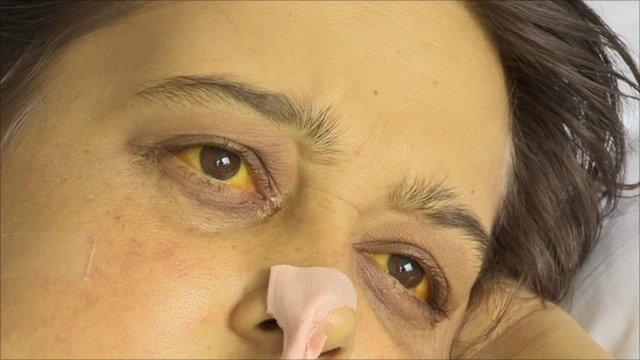 Acute viral hepatitis is a type of systemic infection that principally affects the liver. Cases of viral hepatitis could be from any one of the five major viral agents, namely Hepatitis A virus, Hepatitis B virus, Hepatitis C virus, Hepatitis D or the HBV-associated delta agent and Hepatitis E virus. All these known human hepatitis viruses manifest clinically similar signs and symptoms. Although this type of hepatitis is usually self-limiting, healthcare providers recommend drugs and other measures to treat the symptoms. Today, more and more people rely on milk thistle for acute viral hepatitis treatment.
The hepatitis transmission route may vary depending on the type of hepatitis infection. To better understand how to effectively treat your condition, you have to examine the different modes of transmission for hepatitis. Hepatitis A, E and possibly F are transmitted via enteric, that is by digestive or fecal routes, due to poor hygiene or environmental sanitation. Hepatitis B, C, D and possibly G are transmitted via parenteral routes. Parenteral transmissions include blood-to-blood contact, contact with infected body fluids (sweat, saliva, and blood), tattooing and body piercing and intravenous drug use. Diagnostic hepatitis test is a blood test used to search for markers of hepatitis. There are different types of hepatitis blood tests. Some look for antibodies while other tests search for genetic material (DNA/RNA) or antigens.
The use of milk thistle for acute viral hepatitis has been studied extensively. Although the mechanism or action of silymarin found in milk thistle is not completely understood, there are varieties of mechanisms proposed. Silymarin is reported to strengthen hepatocyte membrane structure. As such, it prevents the entry of harmful substances and toxins through enterohepatic recirculation. It promotes regeneration of liver cells by increasing synthesis of protein ribosomes and stimulating nucleolar polymerase.
In addition, because of the oxidative stress occurring in acute hepatitis C infection, which results from altered mitochondrial function, it could be expected that antioxidant therapy is beneficial for hepatitis C patients. Being an antioxidant, silymarin could benefit people with hepatitis B or C with its iron-binding properties, recognized hepatocyte-membrane strengthening abilities and cell regeneration promoting function.
To further support the effectiveness of milk thistle for acute viral hepatitis, several randomized controlled trials (RCT) were conducted. For instance, a 21-day study of 57 patients diagnosed with acute hepatitis A or B were given 420 mg of silymarin and placebo per day found that more patients achieved normal bilirubin and AST results with milk thistle therapy after 3 weeks of treatments. In another study, 105 patients with acute hepatitis taking silymarin, 420 mg per day showed slight improvement in certain symptoms compared to the group taking placebo for four weeks.
Treatment using milk thistle for acute viral hepatitis seems to be well tolerated and safe. There is no recorded reduction in mortality. However, the herbal remedy has not been proven to be effective in treating chronic hepatitis. Based on its functions and the studies conducted, the herb doesn’t appear to reduce the level of virus infection in the body but may help a lot in protecting the liver from damage, hence improving the general condition and alleviating symptoms.
Several Forms Of Milk Thistle
Learn How To Make Milk Thistle Tincture On Your Own

Herbal tinctures have many benefits. Once an herb is tinctured, it will retain medicinal properties longer than other herb preparations. Tinctures can be made from alcohol or vinegar but alcohol tinctures last longer compared to vinegar tinctures, which usually last for two years. Tinctures are excellent in first aid kits and during traveling since they are also easy to administer. Milk thistle tincture is made from milk thistle seeds to help in promoting liver health.
Ideally, the raw materials to be used in herbal tinctures should be of the highest quality with the botanicals and naturally potent ingredients. This is to ascertain the stability, activity and bioavailability of the active ingredients. Milk thistle tincture is known for various medicinal properties, such as its abilities as a blood purifier, digestive aid, supplement for liver support, supplement for skin health, supplement for detoxification and remedy for constipation and hangover.
To effectively harness the medicinal properties of milk thistle, make your own homemade tincture from the herb. If you have an existing alcohol-related liver disorder, you can use apple cider vinegar instead of alcohol. To make the most of your herb tincture, take 1 teaspoon daily - either alone or mixed with tea, coffee or water. Alcohol tinctures can be kept indefinitely when stored in dry, cool, dark place. On the other hand, tinctures with vinegar can be stored for 1-2 years for best results.
To make an alcohol-based milk thistle tincture, you need 2-3 ounces of ground milk thistle seeds, 80-100 proof alcohol (preferably brandy, gin or vodka, cheesecloth), a wide-mouth jar with a cover and a dark storage jar. Put the seeds inside the wide mouth jar and follow with the alcohol until the seeds have been submerged. Quickly seal the jar tightly to avoid evaporation of alcohol. Keep the jar in a cool, dark environment away from direct sunlight. If possible, put the jar inside a paper bag and place it in the darkest room or inside a closed cabinet. Leave it to set for six to eight weeks, and shake the jar 1 - 2 times every day. This is to ensure that the seeds are saturated with the alcohol. Pour the mixture into a piece of cheesecloth, pouring into the dark storage jar. Discard the milk thistle seeds’ residue. Label the jar with the date and content and again, keep in a cool, dark place.
Milk thistle can be used in different forms, be it in teas, tinctures or directly consumed. When using the seeds, remember that they must be ground up. It is because the seeds have a tough coating that is hard to chew. The tincture preparation should use the ground dried milk thistle seeds followed by combination of alcohol. By crushing the seeds, the active component, silymarin, can be easily extracted and digested since it is located inside the seed coating.
Anyone is capable of making high-quality milk thistle tincture. There is no secret or complex process involved since it only requires excellent quality herbs, a measuring cup and a quality solvent. The tincture form of milk thistle is fairly expensive in the market, but can be very cheap if you make it yourself. If you plan to take the tincture regularly for a chronic liver disease or as a liver tonic, you may consider making a homemade tincture.
How To Make Milk Thistle Tea From Milk Thistle Extract & Leaves
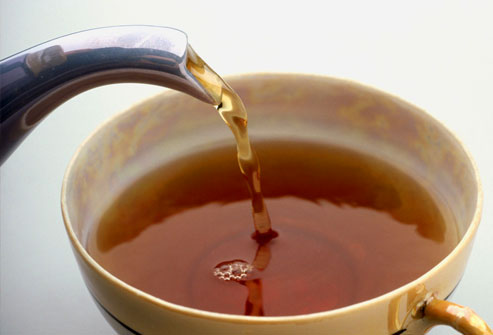 Milk thistle can also be taken in the form of tea. Milk thistle tea, which comes from the seeds of Silybum marianum, is known to help improve one’s health. For beginners, milk thistle has been largely studied and shown to promote liver health. People suffering from liver damage, jaundice, cirrhosis, hepatitis and fatty liver can benefit from drinking this tea.
For people with existing liver or kidney problems or anyone who wants to maintain optimum liver function, milk thistle tea can be a good idea. Due to the components of the milk thistle seed used in making the tea, it helps the liver and the entire body by protecting it from different forms of illnesses.
Milk thistle is quite different from other herbal plants in the sense that you cannot make herbal tea out of plain milk thistle seed and water. Silymarin, which is the active biochemical of milk thistle, is soluble only in alcohol. This means that its active ingredient can’t be effectively extracted in water. Research found out that the most effective way of taking milk thistle is through alcohol-based extracts. As such, it is useless for anyone to purchase a bulk package of milk thistle seed to be used in making traditional medicinal tea. So, if you want to make your own, the recommended way is to search for milk thistle extract. However, to achieve the best result, you have to purchase the best quality silymarin tea extract you can find. There are numerous health food stores online, particularly online shops selling only organic products. You can also find milk thistle tea in some drug stores and grocery as well as local food stores or health food shop nearby.
After getting your extract, you have to boil a cup of water, then add a few drops of extract. After that, you can enjoy your delicious and beneficial cup of silymarin tea.
There are several recommended instructions when making your own silymarin tea for specific types of health complaints. For poor digestion, you need to drink the tea 30 minutes before taking meals. To promote the integrity of blood vessels (treating varicose veins), drink 2-3 cups of tea per day. In a cup of boiled water, put 2 teaspoons of crushed seeds. Let it steep and strain. To enhance effectiveness and improve taste, you can add 1 tablespoon of peppermint leaves.
Aside from the milk thistle seeds, you can also make a medicinal tea out of the herb’s leaves. The leaves don’t contain silymarin but they still provide benefits to the gallbladder and liver. The tea can improve digestive function and provides relief for mild digestive complaints. In a cup of boiled water, put 1 ½ teaspoon of chopped leaves. Allow it to steep, then strain. Take 2-3 cups per day.
Drinking tea has always been one of the most effective traditional ways of taking herbal remedies. Milk thistle tea is among the most effective teas in promoting liver health. Just remember to get the best quality milk thistle extract to enjoy the optimum benefit of silymarin to your body.
How To Make Milk Thistle Powder & The Different Ways Of Using It
 With the increasing popularity of milk thistle in promoting liver health, it is now becoming available in a variety of preparations. There are different silymarin products in the form of capsules, tablets, tinctures, seed extract and powder. Milk thistle powder may either be made from the seeds of Silybum marianum or from other parts such as the twigs, roots, berries and other aerial parts, which are believed to help in protecting the liver against harmful toxins. Almost all parts of the plant can be used for both food and medicine with no reports of toxicity or any serious side effects.
Commercially sold milk thistle powder today has different variants. Some are in combination with other herbs like dandelion, yarrow and burdock. This powder can be used in many ways. You can place it in a spice shaker and sprinkle in cereals, salad, smoothie, soup or any type of meal for instant liver boost.
If you want to make your own milk thistle powder, you can buy a bulk of whole seeds and turn them into fine powder using a coffee grinder or food processor. You can also mix other nuts or herbs for added nutrition. Good additives may be pumpkin, flax and sunflower seeds; rough nuts like walnuts, cashews and almonds; raisins and other dried fruits. In this way, you can try to provide for the slight bitter taste of milk thistle.
Milk thistle seed can also be brewed as an herbal coffee. Just roast the seed and place the result in the coffee grinder to turn into fine powder. Brew it in your coffee maker and enjoy your milk thistle coffee.
For the most part, milk thistle is taken internally but it can also be applied topically to treat different forms of skin disorders such as acne, psoriasis or rosacea. For topical application, you have to make milk thistle paste from milk thistle powder. To make a paste from the powder form of milk thistle, combine water and powder at a ratio of 1:3 and mix it, adding water if necessary. The powder you buy may affect the thickness of your paste so it is best to add oatmeal to your paste as well. Oatmeal is also a soothing substance to the skin, making it an excellent addition to your paste. Add a few drops of castor oil to make your paste gooey. It also helps the milk thistle extract penetrate deeply into the skin.
There are different ways to use milk thistle powder, whether you mix it in food, turn it into a coffee powder or create an herbal paste for skin diseases. Adding milk thistle to food can be beneficial to your liver but always consult your healthcare provider before taking any herbal remedies.
Uses Of Milk Thistle Leaf | Food & Herbal Remedy
 Milk thistle leaf is wide and spiny but when de-spined, it can be eaten and may be used as a substitute for spinach. When crushed, both the leaves and stems produce a milky white fluid, thus the herb’s name.
There is little information on the leaf’s medicinal benefits. It is because the aerial parts of milk thistle (leaves) are less studied even despite the fact that the plant has had a long history of use (one extending throughout centuries) in the treatment of liver, gallbladder and spleen disorders, and has even been used as an antimalarial agent. Based on some studies, the milk thistle leaf extracts acts as emmenagogues, which are herbs that stimulate blood flow in the uterus and pelvic area and encourage menstruation.
Only a few products containing leaf extracts from milk thistle are available nowadays despite some evidence claiming milk thistle leaf having some remarkable medicinal properties. For instance, a recent study reports that extracts from the aerial parts of milk thistle may adjust estrogen receptors. Data shows that the phytochemical profiles of the herbs change considerably as the plant grows to its adult state. Preliminary tests on biological activity of the aerial parts demonstrate a correlation between its toxicity data and antioxidant activity and the developmental stage. Put together, the data reinforces the importance of harvesting milk thistle during the right developmental stage to get the best material with high phytochemical quality. These preliminary tests support some of the claims on the medicinal functions of milk thistle leaf. But of course, additional research will be needed to further distinguish these activities.
There are various ways to use milk thistle leaf for medicinal and cooking purposes. Crushing the leaves, roots and stems can be used to ease liver congestion and counteract the effect of alcohol. Eating tender leaves in vegetable salad can also treat hair loss. It is useful in the treatment of baldness, preventing seborrhea, dandruff and dry hair. In food, the plant can be fried given that the spines are cut off with scissors. It can also be eaten raw in salads and as a substitute for spinach. It can be boiled as well together with roots, which is very useful for the liver. The best time to collect leaves and fruits is during spring season because they shall be fresh.
Information On How To Buy & Take Milk Thistle
Tips On How To Buy & How To Identify Effective Milk Thistle Products
With the growing reputation of milk thistle as a natural liver health supplement, you can easily find different silymarin products in most chain drugstores now. Milk thistle is also a commonly used herb. However, if you want to buy a milk thistle supplement that contains the highest quality extract, it is worth the time and extra legwork to search for an organic milk thistle product.
Currently, there are different types and brands of milk thistle supplements available in the market and you can even purchase most of them through the Internet. However, it better not to assume that all these supplement are certified ones. Actually, only a few of them possess the excellent quality and concentration needed for milk thistle seed extract to be beneficial. One of the risks of getting a poor quality milk thistle product is that you may suffer from unpleasant side effects and might endanger your life.
You might ask, then, where you can get milk thistle with the best quality online. To make sure you can get the best milk thistle and avoid substandard herb products, there are some tips you might want to follow when you buy milk thistle.
One is to buy from legit sellers. When buying online, make sure that the online store is certified by the Better Business Bureau and that all items have a guarantee. It means that for a specified period, you can return the product and get money back should you be able to prove that the item caused undesirable effects. It is also better for the online store to indicate its email address, office address, fax or phone number and other contact details.
Another tip is to read up on different reviews. Although product reviews on milk thistle are not 100% reliable, it is better to find out other people’s experiences with taking this herb. Indeed, experiences may vary from one person to another as each one of us may react differently to herbs. Nevertheless, you can get plenty of insights concerning milk thistle products as well as information on legit sellers out there. As such, you will learn more on the herb’s effectiveness and discover where to find milk thistle.
When looking at the label, check the silymarin content and not just the amount of milk thistle extract. Silymarin is the active component of milk thistle. The best supplement should have 85 mg of silymarin for each 100mg of extract indicated in the label. In addition, the supplement should come from the “seeds” (fruits, really) and not from other aerial parts, ideally. Some manufacturers process the roots, stem and leaves, but these are not as potent as the fruit.
Since the silymarin found in milk thistle has low bioavailability, which means it isn’t readily absorbed into the bloodstream, you have to compare supplements and determine which is best for you. You can choose an enteric-coated milk thistle supplement or one combined with phosphatidylcholine/lecithin to increase its bioavailability.
Keep in mind that herbal supplements are not closely regulated. No particular standardized formulation is mandated that herbal supplement manufacturers should follow. However, as a consumer, there are ways of determining what is an effective product and make the most of your money. As such, follow the tips mentioned above when you buy milk thistle.
Recommended Safe Milk Thistle Dosage For Different Illnesses
 Since herbal supplements are not closely regulated by the Food and Drugs Administration, little is known on the safe and effective milk thistle dosage. Some researches recommend a dose of 420 mg to 600 mg daily, which are given in three divided doses. However, it is better follow the dosage instructions printed on the label on your milk thistle product since different supplements may vary on the concentration of their active component content. Because the safest and most effective milk thistle dose has not been established yet, there are basic dosing guidelines based from different clinical studies on milk thistle that have to be observed.
Whether it is for prescription or non-prescription drugs, researchers establish the safest doses in what is known as dose-range studies. These studies are established as early as the development and approval of the drug. However, since dietary supplements don’t need approval from FDA, dose-range studies are hardly even done for herbs like milk thistle. As such, the only to find out the safe dose is through trial-and-error.
Many studies regarding the use of milk thistle for liver treatment recommend 420 mg daily on a particular product that contained 70 -80% silymarin, the active ingredient of milk thistle. It should be taken twice daily, morning and evening, and swallowed with one glass of water. If used for diabetes, the milk thistle dosage will be 200 mg thrice daily. For daily liver protection, one can take 200 mg of silymarin once a day. Silymarin should also be continuously taken for 2 -3 months for a person to reap its optimum effects, so patients should be patient (no pun intended) during the course of treatment. Standard milk thistle extracts make the active components more effective. It is because they separate the most essential component and extract it to its pure state. In fact, the best selling milk thistle product is the standardized extract. The standard milk thistle dose of a standardized extract containing 70% silymarin is 200 mg 2-3 times per day. There is another form of silymarin that can bind to phosphatidylcholine and should be taken at a dose of 100 - 200 mg two times a day.
To know the proper milk thistle dose, it is important to consider the health, weight, age and body of the patient. A person having liver disease and higher weight, for example, will also require a different dosage from those who have no liver problems and lower weight. It is also necessary to take medications that the person is taking into account. While herbs are typically safe, they may cause drug interactions and produce unwanted health effects.
There are general considerations regarding the dosage information of milk thistle. Since manufacture of supplements like milk thistle isn’t closely regulated, you have to search for a reputable manufacturer of milk thistle products. You may refer to a certified pharmacist or research online for a reliable milk thistle manufacturer. For people with chronic health problems or prescription medications, it is better to ask your doctor before taking herbal supplements. If you are not sure about the proper milk thistle dosage, talk to your herbalist or healthcare provider.
How To Eat Milk Thistle
 In some parts of the world, milk thistle is usually seen as a noxious weed that has to be pulled from a garden. But during the 16th Century, all parts of this plant were popular as food. Other than taking milk thistle as an herbal remedy, you can eat it as foraged food to keep maintaining optimum liver health. However, the question here is how to eat milk thistle. Here are some useful recommendations on how you can include milk thistle in your diet.
First, milk thistle tastes good. The taste can be a cross between lettuce and spinach with its earthy, leafy, slight bitter flavor, which can be mixed perfectly with a vegetable salad. If cooked, it works as a substitute for spinach in any recipe.
There are many ways of eating milk thistle. In fact, all parts of the plant, from roots to flowers, have different cooking techniques assigned to them. New shoots can be boiled until they wilt and served with butter. You can even use the herb raw for a crunchy vegetable salad. The milk thistle stalks can be added to soups or stews or eaten raw like celery. Just peel the skin to remove the spines and soak them in water overnight to reduce bitterness. The leaves are usually sautéed like spinach. Just cut the edges with spines and leave for a while to wilt the leaf. Sautee the leaves with garlic and squeeze some lemons for added flavor. Even the milk thistle flower can be eaten like an artichoke. Boil the flowers, remove or slice the boiled skin to eat the fleshy matter inside. The seeds can also be ground, then sprinkled on salads or added to smoothies. The roots can be boiled until soft and served with butter.
Eating milk thistle can give you more nutrition than you can get from most green vegetables you buy in stores. It is because the nutritional value of vegetables decrease each day they’re left uneaten. Because milk thistle is a foraged food, on the other hand, it goes straight to your kitchen and eaten that same day. Milk thistle is a rich source of iron, manganese, phosphorous, selenium and zinc. Many people are put off from eating milk thistle because of the thorns but this isn’t a big issue. Thorn or spines on the sides of the leaves can be cut off with scissors. When cooking them, it softens enough that you can eat them just like spinach. You can also fry the leaves crispy like chips.
There are some important reminders on how to eat milk thistle. Be cautious if you have history of allergic reaction to daisy or ragweed because milk thistle produces similar allergy symptoms/signs. If you have a preexisting medical condition such as hypoglycemia or diabetes, using drugs and supplements for lowering blood sugar levels, better be cautious and ask your doctor about it first.

@yourkefirsource
Giselle
Latest posts by Giselle (see all)
- The Magic of Damiana - July 15, 2015
- Baobab Cosmetics | An Increasing Market For The Cosmetic Industry - June 21, 2015
- Baobab | The New Super Tree - June 15, 2015

Do you have any idea how long it would take for Milk Thistle to leave the body? Appreciate there are several variables, just looking for an estimate. I’m about 120 lbs and have been taking the equivalent of 35g dry leaf / day for 6 days. Thanks!