Post Contents
The Essential Information Guide to Wheatgrass
What Is Wheatgrass?
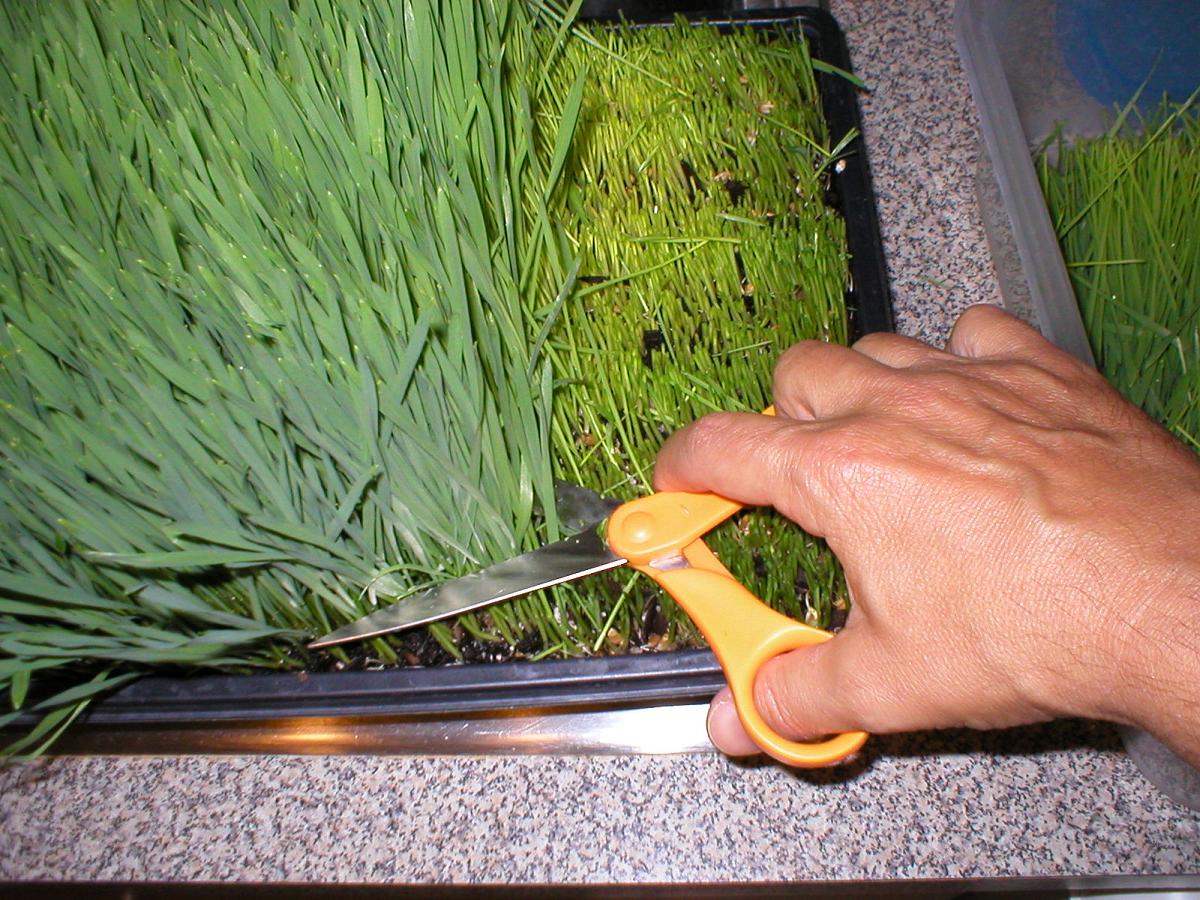
Wheatgrass refers to the young, slender grass blades of the common wheat plant. Its extract is a green juice whose vivid color is an effect of its high chlorophyll content. It’s buzz-worthy for its essential amino acids, enzymes, minerals and vitamins. Its 30 enzyme components make it a source of complete protein, which should be between 10 to 35% of the total calories we consume since protein is the main building block of the human body. Wheatgrass also provides more energy. Thus, this grass is a meal by itself.
Though all the claims about it are not yet fully substantiated by scientific research, wheatgrass has been known to work wonders. It keeps the body well-oxygenated by increasing our red blood cell count. It lowers blood pressure to an optimum level by its vasodilating physiology. It stimulates the thyroid glands and hormones to promote weight loss. It aids in digestion, cleanses the bloodstream and detoxifies the liver. It has both internal and external uses. The extracted juice from wheatgrass can also relieve itchy skin when applied directly onto it.
The most popular use for wheatgrass is to increase the production of hemoglobin, which is the chemical found in red blood cells that carries oxygen to the different parts of the body. The grass contains up to 70% chlorophyll, which is a vital blood builder. Wheatgrass is also known to improve blood sugar disorders such as diabetes. Other benefits of taking wheatgrass include the prevention of bacterial infections, tooth decay and an improvement in wound healing.
Wheatgrass contains chemicals that have anti-inflammatory and antioxidant properties. It is also known to contain a certain type of chemical that can kill bacterial infections, which is why it can treat various disorders of the urinary tract.
Benefits of Wheatgrass | Going Organic For A Holistic Health
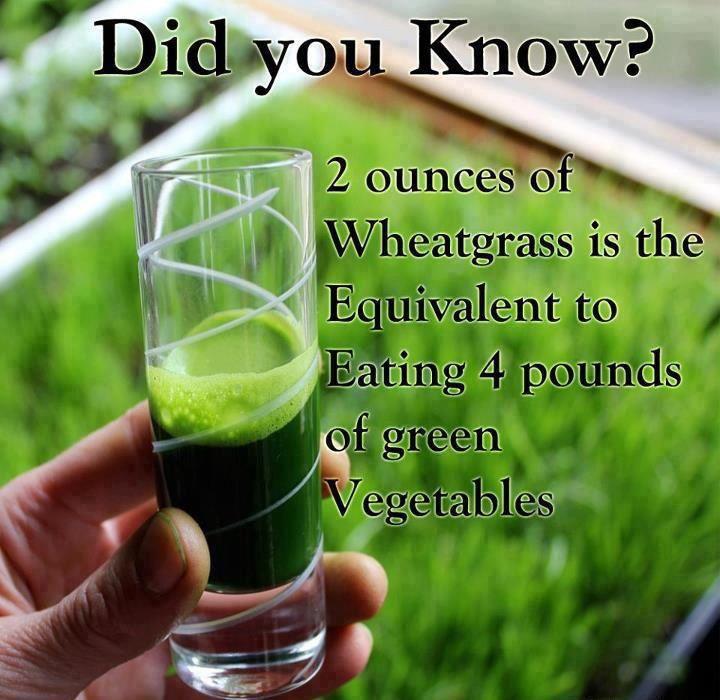
Many believe in the benefits of wheatgrass because of its high nutrition content, which is almost triple that of typical green veggies. It is also very easy to secure your daily supply of wheatgrass because you can plant it on your own and it grows rather quickly.
The best benefits of wheatgrass is its being a wholly nutritious food. It could also be the best alternative for multivitamins because it contains the most important and common vitamins like A, C, and E, among others. The chlorophyll in wheatgrass, which constitutes 70% of its structure, is also a proven organic healer.
The chlorophyll content found in it has the same chemical make-up as hemoglobin, which would account for most of the powerful benefits of wheatgrass. Hemoglobin is the oxygen-carrying molecule for the bloodstream. Having the same chemical build-up as hemoglobin, chlorophyll helps increase the supply of oxygen to the bloodstream.
Another chlorophyll-related benefit of wheatgrass is its anti-bacterial protection that helps shield the body from potential diseases from the inside-out. It is also responsible for strengthening the cells as it tries to prevent the growth and development of harmful carcinogens that we usually don’t take notice of. Due to its high nutritional content, many people believe that it is even stronger in health benefits than beta-carotene and other vitamins.
Aside from protein enzymes that help the body function properly and efficiently, wheatgrass has loads of amino acids too. It provides 8 of the essential amino acids needed by the body and 13 of the non-essential amino acids. And these amino acids shouldn’t be taken lightly either, as each kind of amino acid has been linked to specific roles in the body.
A list of the amino acids found in wheatgrass is here, along with their benefits:
- Abensic – ant-cancer agent
- Alanine – blood builder
- Arginine – seminal fluid
- Aspartic acid – energy
- Glutamic acid – mental alertness
- Glycine – energy
- Histidine – hearing and nerve function
- Isoleucine – growth in infants
- Loucine – energy and nerve stimulation
- Lysine – anti-aging
- Methionine – kidney and liver cleanser
- Phenylaianine – thyroid function
- Proline – Glutamic acid absorption
- Serine – brain stimulation
- Threonine – digestion and assimilation
- Tryptophane – skin and hair growth
- Valine – brain/muscle coordination
People have found other ways to use their wheatgrass for health aside from juicing it. Because wheatgrass is believed to be a natural antiseptic, wheatgrass leaves are sometimes used to protect skin and other sensitive body parts from inflammation while clearing up odors, soothing sinuses, and reducing those nasty scabs.
That said, we must not forget that the most common benefits of wheatgrass have to do with maintaining your digestion and boosting your metabolism, so take out your wheatgrass juicer and start juicing to supplement your diet! With its high-fiber content, it helps in cleaning your body and ridding it of toxins while refreshing your inner system as it gives you enough energy to keep you charged throughout the day.
One of the most important benefits of wheatgrass is its capacity to stabilize the heart as it develops the quality of blood. Because wheatgrass is a known heart-food, it keeps your blood healthy and safe from diseases and keeps your blood pressure normal every time. A glass of wheatgrass daily keeps your heart working at its best.
The high amounts of chlorophyll in wheatgrass are beneficial too. Chlorophyll is able to increase the number of red blood cells in the body, protect the body from cancer, aging, toxins and free radicals and inhibit the growth of bacteria.
Finally, did you know that with the many benefits of wheatgrass, a daily dose will not just help you feel good but look good as well? Drinking wheatgrass juice daily helps in giving you a smooth complexion while stopping acne.
Side Effects of Wheatgrass
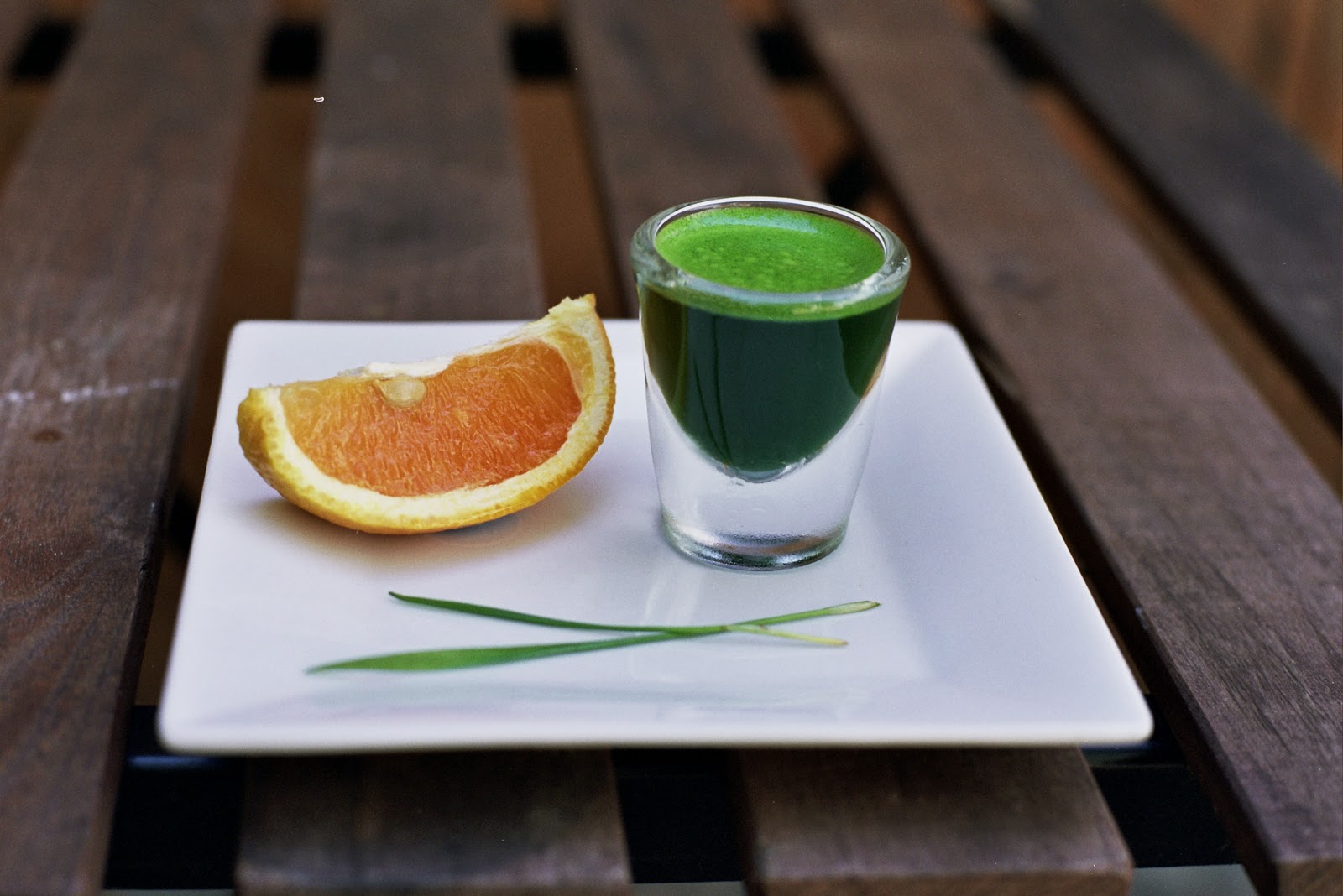
Although wheatgrass is known to be extremely safe, not enough is known about the long-term use of wheatgrass. Medical experts suggest though that taking wheatgrass in medicinal amounts is safe for only up to a month. Despite the claim that there are no side effects of taking wheatgrass, some suggest that taking wheatgrass can cause headaches, appetite loss, nausea, constipation, hives or swelling of the throat.
Users who experience hives or a swollen throat means that they are experiencing a serious allergic reaction to wheatgrass and must be given immediate care.
When the side effects of wheatgrass are too much to bear, medical experts suggest to cut down on the amount of wheatgrass the user is taking. Instead of taking wheatgrass on an empty stomach as initially advised, take it on a full stomach. Wheatgrass may cause these side effects because it is known to be a natural inducer of detoxification.
What Are The Different Forms of Wheatgrass?
The best form of wheatgrass is fresh. However, for convenience, wheatgrass is sold in tablet and capsule form as well. Wheatgrass is also available in juices, liquid extracts and tinctures.
The most popular way to ingest wheatgrass is to make it into a juice or to drink it as tea. Some people also like mixing the grass into smoothies to mask the bitter taste of the leaves. Oftentimes, wheatgrass is flash-frozen to retain as many nutrients as possible. Although freezing can destroy some nutrients, freezing can help the greens retain more nutrients compared to canned produce.
Unfortunately, not everyone has the time and capability to grow fresh wheatgrass to perfection, which is why wheatgrass is also available in powdered form. Powdered wheatgrass is affordable and convenient and offers the benefits of being easy to take on a daily basis. For people who do not have time to harvest and juice their own wheatgrass, powdered wheatgrass is the next best thing.

@yourkefirsource
Giselle
Latest posts by Giselle (see all)
- The Magic of Damiana - July 15, 2015
- Baobab Cosmetics | An Increasing Market For The Cosmetic Industry - June 21, 2015
- Baobab | The New Super Tree - June 15, 2015

Leave a Reply