Post Contents
- 1 Introduction to Damiana
- 2 The Health Benefits Of Damiana For Specific Ailments
- 2.1 Damiana Herb For Asthma | Healing Qualities Of Its Bioactive Components
- 2.2 Damiana Herb For Constipation | Natural Laxative Action
- 2.3 Damiana Herb For Digestion | Benefits Of Bitter Herbs In Digestive Health
- 2.4 Damiana Herb For Depression | An Effective Natural Antidepressant
- 2.5 Damiana Herb For Weight Loss | Effectiveness of Herbal Remedy In Curbing Obesity
- 2.6 Damiana Herb For High Blood Pressure | Natural Components Behind Its Anti-Hypertensive Activity
- 2.7 Damiana Herb For Anxiety | Explaining The Anxiolytic Action
- 2.8 Damiana Herb As Aphrodisiac | Its Effectiveness In Treating Sexual Dysfunction
- 3 Taking Damiana
- 4 Different Forms Of Damiana
- 4.1 Tips To Effectively Use Damiana Herb Powder
- 4.2 Useful Tips About Damiana Herb Supplements
- 4.3 Healing Benefits Of Damiana Herb Tea & Tips On Making It
- 4.4 The History & Benefits Of Damiana Liqueur
- 4.5 The Benefits Of Damiana Herb Essential Oil In Aromatherapy
- 4.6 The Healing Wonder Of Damiana Herb Extract
- 5 Buying Damiana Herb | Consumer Guide When Buying Online
- 6 Growing Damiana | Step-by-Step Procedure
Introduction to Damiana
What Is Damiana Herb | A Brief Introduction

Herbal medicine offers astounding benefits to mankind. It can treat almost all health problems and had been used for its medicinal properties since time immemorial. Despite increasing consumerism and technological inventions, still more and more people are going back to the natural way of healing and treatment and that is by taking herbal medicine. Even people who want to heighten their libido or sexual desire are now using herbal aphrodisiacs like the herb Damiana, also known as Damiana aphrodisiaca, Damianas.
One may ask, “What is Damiana herb?”
Commonly found in Central and South America, the herb Damiana (Turnera diffusa) is a popular aphrodisiac because it has positive effects on the body’s hormonal system. However, it isn’t only used as an aphrodisiac because traditionally, the plant has been used to treat different kinds of illnesses.
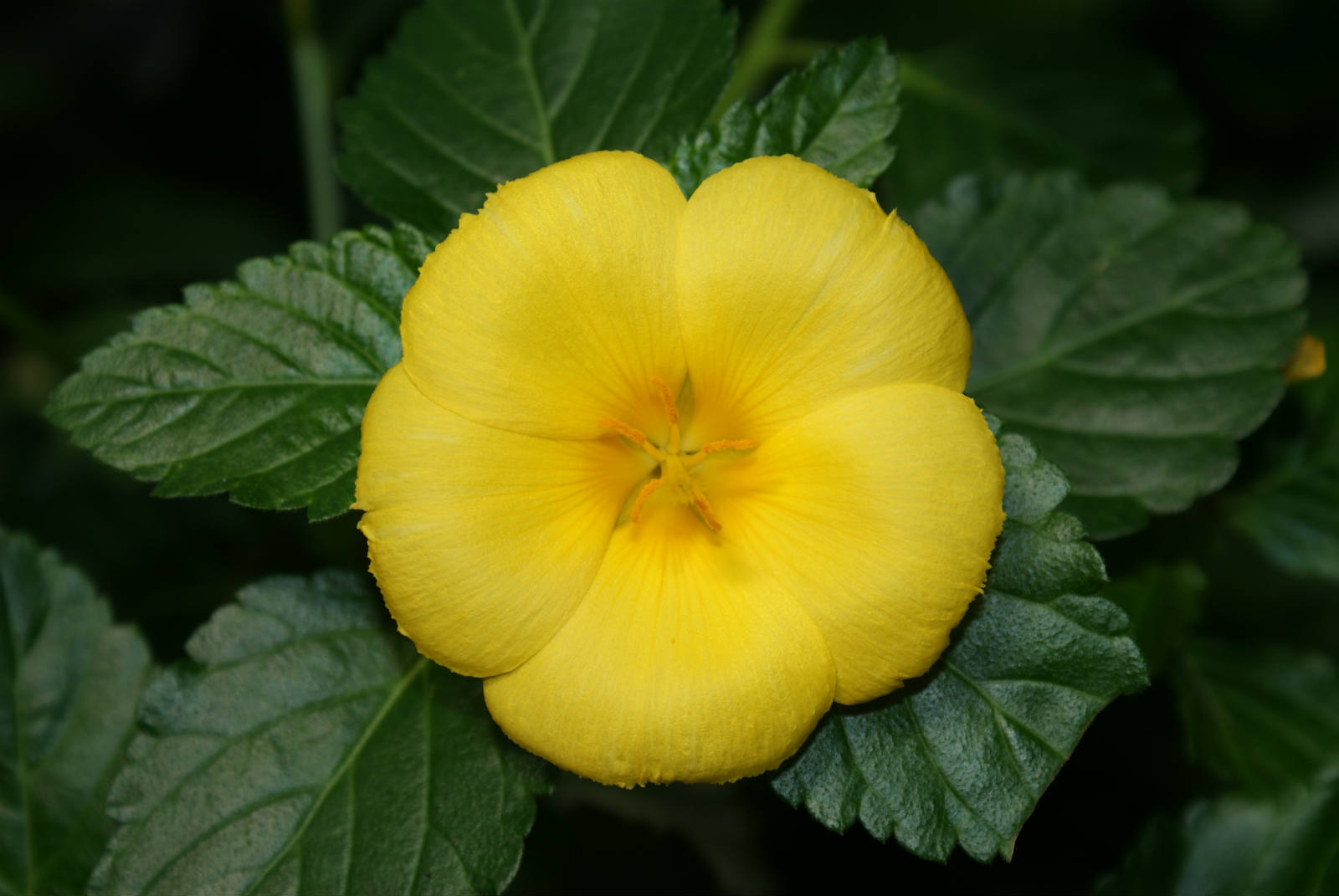
Damiana plant is a perennial shrub that grows up to 1 -2 meters (3-6 feet) tall. The stems are rigid and attached are small yellow flowers that bloom early to late summer. Later on, it produces small aromatic fig-like fruits. The Damiana leaf is aromatic and serrate, with a smooth side on top and minimal hairs underneath. The plant is listed as GRAS (generally recognized as safe) by the Food and Drugs Administration (FDA).
Now what, the next question goes, is Damiana used for?
There are records about the use of the herb Damiana as an aphrodisiac since the Ancient Mayan civilization as well as for treating the loss of balance and dizziness. Damiana has also been used in traditional medicine for sexual disorders, which includes erectile dysfunction. However, recent studies show that it is also used as cough suppressant, diuretic, laxative and anti-depressant. For women, the plant can treat irregular menstruation.
This plant is very valuable in the field of medicine. In fact, the Damiana homeopathic preparation comes in tincture and fluid extracts that can treat incontinence in the elderly, renal and cystic catarrh, sexual neurasthenia, chronic prostatic discharge and sexual debility due to nervous prostration. It also aids in the establishment of regular menstrual flow in women.
The Damiana leaf is the medicinal part of the plant. Actually, the elixir of Damiana leaves has been part of the National Formulary in the US from 1888 until 1947. Its medicinal properties are recognized by the British Herbal Pharmacopoeia. Besides its aphrodisiac properties, the leaves have been known to treat a wide range of diseases including debilitation, anxiety and depression, bed-wetting, gastric ulcers, constipation, menstrual irregularities and lack of libido. In terms of medicinal uses, the leaves have been a popular herbal remedy in different countries. In Mexico, it is used to relieve breathing problems such as bronchitis and asthma. It is also known to treat different kinds of diseases such as paralysis, dyspepsia, neurosis, diabetes, nephrosis, stomach pain and syphilis. In Germany, the leaves are turned into a tonic to oppress the central nervous system activity, relaxing certain mental faculties, alleviating nervous disabilities and controlling hormone activity. In Holland, the Damiana leaves have been used to enhance sexual prowess and to produce positive effects on the reproductive organs.
Effects Of Damiana Herb In The Body & Its Curing Abilities
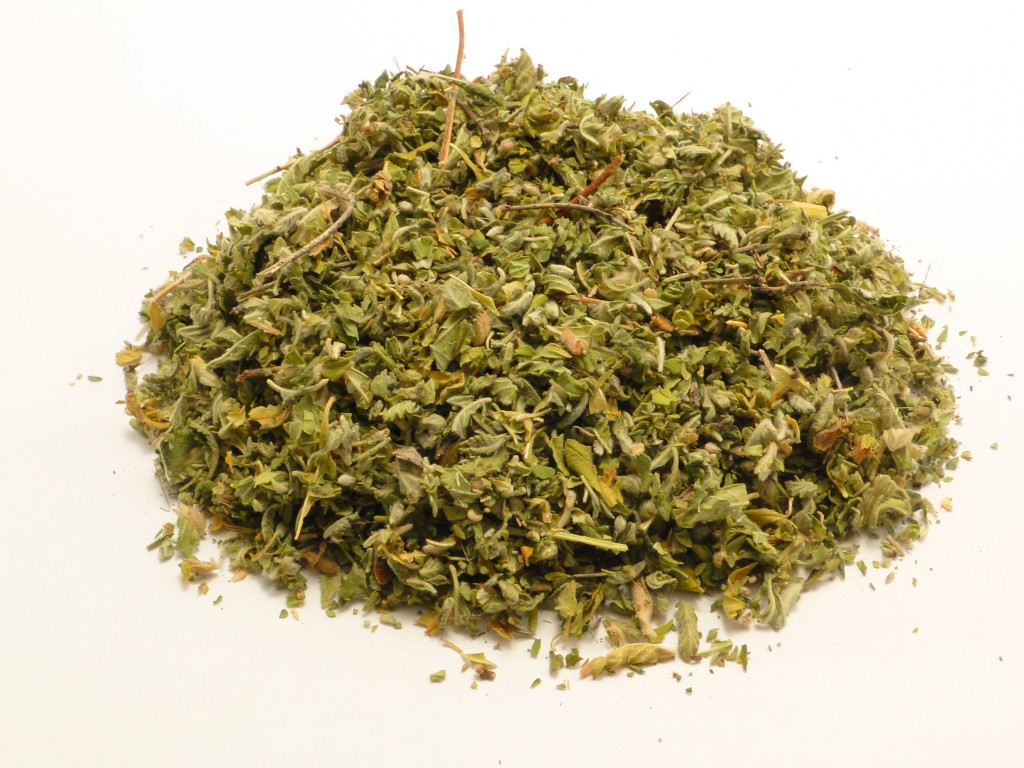 The effects of Damiana herb vary on different people. Some don’t experience the side effects even with consumption of high dosages while others do. To determine the effect of the herb, you have to try it yourself, but only under the supervision of a herbalist. According to studies, the herb takes effect on the body in a more beneficial way when taken together with a variety of other herbs, which only a herbal expert can explain.
There are numerous positive Damiana effects. Besides being a libido enhancer, it is also noted as nerve tonic, colon cleanser, and urinary astringent as well as an herb for causing a euphoric feeling in the taker.
Natural libido enhancers and aphrodisiac foods are taken by both men and women throughout the world to help them overcome their problems regarding sexual matters. Truly, there are certain foods and herbs that are useful in bringing back sexual function and potency for men and women.
Being a natural aphrodisiac, one of the effects of Damiana herb is that it stimulates the muscle contraction of the intestine, causing an increase in blood and oxygen supply to the genital area. It is known to enhance libido. Hence, it promotes sexual power in both men and women. On top of that, the plant causes positive effects in the functions of reproductive system. Damiana’s active components have vasodilator-like qualities, which may answer its effectiveness in relieving impotence, providing stable and hard penile erection.
Apart from its aphrodisiac property, there are still a wide range of other Damiana effects. First, it can be used as a general tonic that can boost the immune system, strengthen the body and rejuvenate a person to maximum energy and strength. The herb can also be used by women during menopausal times. The herb is known to regulate normal hormonal level and control hot flushes.
Popular as an effective natural antidepressant, it is one of the herbs for anxiety and depression. Damiana herb is technically known to have thymoleptic properties – that is, it possesses a stimulating and mood enhancing action in both body and mind of the person. This herbal remedy is typically prescribed as treatment for people with mild to moderate depression, and also for those affected by chronic nervous exhaustion. Affected persons can benefit a lot from the plant’s restorative and stimulatory properties, which explains why the plant is deemed extremely useful in treating mood disorders such as anxiety and depression. The herb extract is also known as a nervous system tonic. In addition, it shows positive results in the treatment of mood disorders such as obsessive-compulsive disorder, neurosis, hypochondria, paranoia, etc.
Different preparations can be created from Damiana leaves, either in the form of infusions or even as rolled-up “cigarettes”, which can induce that so-called Damiana high. The herb, when smoked, can cause a relaxed state of mind and a subtle hint of “high” with sexual overtones. The effect is quite similar to the effects induced by smoking cannabis.
The effects of Damiana herb are a wide range of health benefits. There’s no doubt Damiana herb is a valuable gift from nature. If only more researches and studies are done on it soon, Damiana can start to be widely used in traditional medicine to treat various diseases and illnesses.
Serious Side Effects Of Damiana Herb
 Majority of the side effects of herbal remedies depend on the dosage and the synthetic medications taken by the person. Other alternative health treatments like diet modification or homeopathy are somewhat safe. However, some herbs are risky and should be taken in the right dosage to achieve the desired outcome, or else less palatable effects may take place. Indeed, herbs taken internally, like any other substance, are not exempted from side effects. Such is the case of the herb Damiana, which is typically used as an aphrodisiac. Common side effects of Damiana herb include indigestion, nausea, hormonal changes and mood swings. This herb is considered by FDA as generally safe, but high doses can put you at risk of certain health problems.
The manner of administration of Damiana plays a role in how the herb affects the body. The leaves are pulverized and used in making tea or soaked in alcohol to make a tincture. The Damiana capsules are available in many health food shops. Capsule forms of Damiana are generally safe for people to take regularly. However, smoking Damiana delivers high dosages of the herb to the body and may cause hallucinations, seizures and breathing difficulties. Some researchers said the Damiana leaf effect on the human brain is comparable to the effect of cannabis (marijuana).
There are several side effects of Damiana herb that are worth considering. The herb is considered to be safe when taken in minimal amounts but the risk heightens with the dosage. Large doses can potentially cause serious adverse effects to the body. The long-term effect of taking Damiana is still unknown.
The most common herb side effects are associated with the person’s mood. At normal doses, the person’s mood may improve, but at higher dosages, it causes disturbance of perceptions and emotions such as hallucination and mania. Generally, side effects from taking Damiana are mild but for those with pre-existing medical conditions, it should be taken with caution.
Both pregnant and nursing women should avoid taking Damiana leaf. Another common Damiana side effect is its ability to change the body hormonal system. In high doses, it can lead to cyanide toxicity due to cyanogenetic glycosides that are present in the leaf. Thus, nursing women and children must not take it. It can also lead to miscarriage for pregnant women. Damiana can also prevent iron absorption, hence it isn’t recommended for people with anemia. In high doses, Damiana may cause convulsions that are similar to the seizures caused by tetanus.
People with diabetes should consult a doctor before taking Damiana. One of the most common side effects of Damiana herb is hypoglycemia, which means that it can drop your blood sugar level too far. This can be dangerous for diabetics who are taking specific drugs intended to control blood sugar level. To counteract the effect, it is recommended to consume carbohydrate-rich foods together with Damiana. People with an elective surgery should stop taking the herb weeks prior to the schedule of operation to avoid any blood glucose problems during blood testing and examinations.
The side effects of Damiana herb can be prevented by taking the proper amount or dosage. Abusing this herb can cause detrimental effects on the body. Until today, there’s no certified approved dosage for Damiana because of the lack of research and study. However, taking 2-4 grams of Damiana leaf thrice a day is enough based on traditional dosages.
The Health Benefits Of Damiana For Specific Ailments
Damiana Herb For Asthma | Healing Qualities Of Its Bioactive Components
 Many herbs and herbal supplements can be used to treat asthma. Natural asthma treatments are normally composed of herbs, vitamins and minerals to reduce asthma symptoms and prevent future attacks. Asthma is a type of respiratory disease affecting adults and children and is currently one of the most common childhood illnesses. There is no established cure for asthma although its symptoms can be controlled and regulated. Natural treatments such as Damiana herb are only used to complement your existing therapeutic management and never used as medication replacement. Before taking an herbal asthma remedy, always remember that medicinal herbs may have a powerful influence, like pharmaceutical drugs, and must be used with caution. It is important to consult your health care provider because herbs have side effects when taken in large amounts and may cause drug interaction with your asthma medications.
Damiana leaves are used in traditional medicine. In ancient times, the Mayan and Aztecs valued the medicinal qualities of Damiana and used the herb as a general tonic for a rejuvenated good feeling. It was also a potent sexual stimulant and an important treatment for different pulmonary problems such as common colds, cough, bronchitis and asthma. In fact, it is even called as “mizib-coc” by the Mayans of the Yucatan, which means, “being who sweeps off asthma”.
Damiana herb contains an essential oil that is composed of bioactive components including cineolo, pinene, cimolo, damianin, arbutin, cardiac glycosides, tannin and resins. Although their anti-asthmatic property has not been recognized, the chemical components can possibly be the answer to the herb’s efficacy in relieving asthmatic symptoms.
One example is its cyanogenic glycoside content. Despite being related to the highly poisonous cyanide, cyanogenic glycosides (prussic acid) can be safe and provide a sedative effect to the muscles and the heart in minimal doses. They are used to soothe congestion and relief from dry cough. This bioactive constituent in Damiana is believed to sedate the sensory nerves that inhibit the cough reflex.
Damiana herb can be smoked although it is more effective if taken as herbal tea. It soothes inflamed or infected airways and relieves coughing until inflammation subsides. It supports expectoration, aiding in reducing congestion and may contribute to “effective” coughing. Damiana herb contains a small amount of tannin that helps in shrinking inflamed and irritated respiratory tracts, and hence allows ease in breathing. Volatile oil and flavonoids are also active components. In addition, its mucilage content lubricates tissues, enhance healing and reducing inflammation. When used as an aromatic, Damiana herb can act as an antiseptic too. The essential oil contains thymol, which serves as a mild decongestant and causes expectorant action in Damiana.
Apart from taking Damiana herb for asthma, it is necessary to drink plenty of fluids every day. Water is thought to remove toxins from the body. Diet is an important factor to prevent asthma attacks. Consume fresh vegetables, fruits and other nutritious foods. Smoking can worsen asthma symptoms and can be fatal. Keep the surroundings free from dust and dirt. Finally, always consult your doctor prior to application or intake of any herbal remedies.
Damiana Herb For Constipation | Natural Laxative Action
 Constipation is irregular and difficult bowel movement, which can cause abdominal cramping, pain and problems with nutrient absorption. There are numerous causes of constipation, which include low fiber diet, infrequent toilet habits, dehydration, unhealthy food choices, a sedentary lifestyle or excessive stress. It can also be a symptom of a physical obstruction or serious disease. Dealing with these health imbalances is vital, yet certain herbs such as Damiana herb can change characteristics of the feces and stimulate peristaltic movement resulting to relief and defecation.
Taking Damiana herb for constipation can cause relief due to its laxative properties. A laxative is an agent that acts to induce bowel movement, and is thus used to treat constipation. Natural laxatives may act by stimulating peristaltic movement through lubrication of the intestinal walls, irritation of the intestinal lining, softening the bowel by raising the water content in the intestine, and enhancing bulk content in the bowel.
The laxative property of Damiana cannot be properly explained, but some research suggests Damiana shares the same laxative qualities as parsley. The essential oil extract may cause irritation to the mucous membranes, promoting secretion of digestive enzymes and juices. This then leads to the downward movement of the feces into the colon, thereby curing constipation. It may also be the answer for its health qualities as a blood purifier, diuretic, expectorant and laxative.
Chronic constipation commonly suggests a sluggish digestion, which can be relieved by ingestion of bitter herbs. Bitter herbs can stimulate the liver and activate the production of digestive juices. Damiana herb has a slightly bitter taste due to its alkaloids and volatile oil content. The presence of the bitter-tasting components in Damiana on your tongue triggers the reflexes to your brains that set off bowel activity. Bitter agents increase the production of bile in your intestine, which can further encourage bowel movement. Bile is the body’s own natural laxative. Many waste products in the body are removed from the body by the secretion of bile and eliminated in feces. Bitter herbs such as Damiana can effectively improve digestion and aid in constipation.
Consumption of Damiana leaves can help in stimulating bowel movement due to its laxative property yet taking it in large amounts may cause stronger laxative action. The use of extremely high dosages of Damiana may also cause the feces to loosen considerably, resulting to diarrhea.
Causes of constipation may vary. Cases such as irritable bowel syndrome, hypothyroidism or intestinal masses may need medical attention. However, many cases such as those owed to a sedentary lifestyle, change in diet or reduced fluid intake are benign and can be prevented. Constipation is commonly a short-term disorder that can be treated using simple measures. For chronic constipation, it is important to understand how this occurs. You should not rely on herbs such as Damiana herb to maintain regular bowel function without consulting your doctor. Moreover, there are natural ways to prevent constipation such as intake of food high in fiber, regular exercise and drinking plenty of water, which can retrain the gut so that normal bowel movement returns.
Damiana Herb For Digestion | Benefits Of Bitter Herbs In Digestive Health
 Based on most traditional medicine systems, a healthy digestive system is the key to achieving optimum health. Even science is starting to acknowledge the significance of digestion and nutrition in many sorts of diseases not associated with diet such as allergic conditions including eczema and asthma, mood problems such as depression, anxiety and ADHD, degenerative conditions such as arthritis and Alzheimer’s and more. Digestive discomforts are easily experienced such as constipation, liver problems and gastric infections. Many of these illnesses can be treated with herbal remedies while some require professional help. Oftentimes, herbal remedies can even support and improve medical interventions. To achieve healthy digestion, one popular herb that can be taken is Damiana. Native to Central and South America, using the Damiana herb for digestion can greatly help in achieving a healthy and strong digestive system to attain optimum health.
According to David Hoffman, Damiana is classified as a bitter herb, which is useful in the proper digestion of food. Apart from Damiana, other bitter herbs include dandelion greens, chamomile, milk thistle and peppermint. These plants’ bioactive components that contribute to their bitter taste provide great benefits. For instance, alkaloids enhance the immune system, sesquiterpenes have anti-inflammatory properties and volatile oils assume every task from promoting digestion to suppressing cancer.
In folk medicine, bitter herbs such as Damiana herb for digestion are used to treat heartburn, IBS, dyspepsia, constipation, bloating, flatulence and overindulgence. Research shows that bitter herbal tonic sets off an entire host of digestive secretions, which includes saliva, gastric acid, bile, the body’s own laxative and pancreatic enzymes. Actually, dandelion greens activate the bile production to increase by 40%. Yet here’s the catch: the taste buds signals the liver to secrete bile. That is why bitter herbs stuffed in convenient capsules like Damiana supplements that bypass the taste buds are less effective for stimulating proper digestion. The nerves in our taste buds trigger the brain to prepare the rest of the body for digestion.
It also appears that the bitter taste receptors on our tongue stimulate the secretion of gastrin, which then activates other digestive organs. Gastrin has two functions – increase in smooth muscle action and regulation of gastric acid secretion. Both of these effects promote healthy digestion and the more bitter the taste, the stronger the dual effect. This also reduces the possibility of fermentation in the colon and enhances absorption of nutrients in the small intestine. Gastrin also activates the secretion of bile that can decrease the chance of developing gallbladder disease and serves as a cleansing agent for the liver.
Damiana herb owes its bitter taste to alkaloids and volatile oils. When using Damiana herb for digestion, it is recommended to take 1 -2 droppers of Damiana herb tincture diluted in a glass of water. Drink it three times per day prior to each meal. In addition, Mexico makes its traditional Damiana liqueur, which also serves as digestive aid. You can make your homemade Damiana liqueur by putting dried Damiana leaves in brandy or vodka and mixing it with almond extract, rose water, honey, vanilla, chocolate syrup and spring water.
Damiana Herb For Depression | An Effective Natural Antidepressant
 Using herbs and herb supplements as natural treatments for depression is commonly tried by people who experience adverse effects from their synthetic medication. For people suffering from depression, it is important to consider natural herbs as a depression relief and not as a remedy for depression. It should be viewed as part of the holistic approach in the treatment and management of your condition. Indeed, there is no stand-alone herbal remedy for depression, but by the use of herbal medicine such as Damiana herb, proper nutrition and by targeting the root cause of depression with your primary health care provider, you can make way for better health both mentally and physically.
Depressive illness can range from mild to moderate depression (causes interference on a person’s usual daily activities and relationship) to severe or debilitating depression (causes the person difficulty in communicating or interacting with others and performing day to day tasks). If you or someone you know manifests these forms of signs and symptoms of depression, it is necessary to seek professional help. Nonetheless, there are still things that the depressed person can do to help himself/herself.
There are many herbs that contain antidepressant properties, helping a depressed person uplift his spirit, relax his mind and relieve himself from stress. Using Damiana herb may help a person deal with the symptoms of this psychological illness. Damiana has anti-depressive qualities, which could be beneficial to the person for elevation of mood.
Damiana is known as a strengthener to the nervous system. For hundreds of years, it has been a reputed aphrodisiac and an overall tonic for the central nervous system. Based on the plant’s pharmacology, it shows that it manifests testosterone-like activities. Damiana herb is an anti-depressant by nature and is known to treat anxiety and depression caused by sexual factors.
It is believed that consuming Damiana will not actually affect a person’s emotion but the leaf extract from Damiana can be a relief for depression by elevating your mood and causing a mild euphoric action that is useful in restoring altered or impaired nervous system function. A native plant to Central America, it is definitely an “upper” or a stimulant in its best description. It is mood-elevating and mildly stimulating, and perhaps a mild central nervous system stimulant. Some people even consider it as a mild, legal version of marijuana when smoked.
With the effect of Damiana to the central nervous system, it can be a useful remedy for people suffering from enervation or nervous exhaustion, mild to moderate depression, chronic stress and anxiety. Throughout Mexico, Damiana leaf extracts are liquefied or stuffed in capsules for treatment of depression cases. The plant extract, when studied by the US drug companies, has shown significant CNS depression-altering activity.
When taking Damiana herb for depression, it is still better to first consult your doctor or any health care provider. Damiana can cause serious side effects when taken in large amounts, so it is best not to take it without the supervision of an expert or herbalist.
Damiana Herb For Weight Loss | Effectiveness of Herbal Remedy In Curbing Obesity
 With all the weight loss ads plastered in different media, more and more people, both adolescents and adults, want to be slim. Indeed, it is not surprising that the weight loss and slimming community is one of the most lucrative industries today. From one day to another, we see numerous slimming programs, diet plans, and novel products such as diet pills, all of them promising rapid fat loss… even though countless research and studies have confirmed that the surest and safest way to curb down extra weight is through proper diet and regular exercise. However, the modern world wants instant results by choosing cosmetic surgery. Today, there are numerous weight loss alternatives such as Damiana herb. It is not only safe but there are also hardly any complications or side effects when taken at proper dose.
There are no controlled studies done to verify the effectiveness of using Damiana herb as a sole therapy for obesity and being overweight, but one study was conducted using a combination of herbs including Damiana that produced significant positive results. The study involved 47 overweight subjects and was tested with a herbal product known as YGD or Yerba Mate – Guarana – Damiana for weight loss activity. Results of the study revealed delayed gastric emptying time and a body weight loss of 5.1 ± 0.5 kg in contrast to 0.3 ± 0.08 kg after a placebo for over 45 days. After a one-year follow-up, it resulted to further weight loss in the control treatment group. Unless there are studies conducted using Damiana as a stand-alone treatment, the ultimate effectiveness of this plant in promoting weight loss is still unknown.
It has been noted that the stomach plays a significant role in controlling the delivery of energy and nutrients to the gut for absorption. Without a doubt, a slow or delayed gastric emptying rate can disturb the normal digestive processes by limiting food intake, resulting to weight loss. Delayed gastric emptying causes a feeling of stomach fullness, which results in reduced food intake. The promising herbal preparation YGD contains the leaves of Yerba Mate, seeds of Guarana and leaves of Damiana, which was thought to have the possibility of facilitating weight loss by virtue of its gastric emptying effect. Today, there are many commercial YGD herbal supplements available that promise faster weight loss. There are no side effects noted during the study, which suggests that it is safe and effective for use.
Although the effectiveness of using Damiana herb for weight loss has not been established, many still use its laxative property in helping them remove toxic waste from their digestive system. Another benefit of Damiana herb is its ability to increase the body’s metabolism and increase energy level, which is a significant aid towards successful weight loss when done with regular exercise and proper diet.
Surprisingly, excessive water stored in the body, also known as fluids kept by water retention, can cause sudden weight gain. Remember that weight gain is not only caused by fat accumulation but also fluid retention caused by protein deposits in the body. With this, taking Damiana herb can be beneficial because of its natural diuretic property, which can help the person deal with water retention-induced weight.
Damiana Herb For High Blood Pressure | Natural Components Behind Its Anti-Hypertensive Activity
 Alternative medicine provides some potential treatments for high blood pressure including relaxation techniques, nutritional supplements and herbal remedies. Although some approaches of holistic medicine lack further studies, others are proven safe and effective in treating hypertension. High blood pressure or hypertension is usually called the silent killer because many people do not exhibit symptoms despite getting dangerously high blood pressure readings. In most cases, the causes of hypertension are unknown although there are predisposing factors such as kidney disorders, adrenal tumors, aging, medications and drug use.
Herbs have been used for centuries in treating high blood pressure and along with healthy diet and regular exercise; they may be integrated to create a comprehensive treatment plan for hypertension. Despite it being more popular as an aphrodisiac, more and more people are using Damiana herb for high blood pressure. The shrub contains specific bioactive components that can alleviate the symptoms of hypertension.
Damiana leaves, the medicinal part of the plant, contain 0.2 -0.9 % essential oil, 8% soft resin, 6% hard resin, 3.5% tannin and 6% starch. The essential oil is made up of nearly half monoterpenes (pinene, thymol), also nearly half sesquiterpenes (guajan derivaritives, and other similar components). Damiana leaves have been known to effectively lower blood pressure due to mild diuretic properties. It contains a small amount of caffeine, which is a known natural diuretic. With its diuretic property, it helps the body get rid of unnecessary water and salt through urination. By eliminating salt and fluid in the system, the heart makes it easier to pump blood and eventually, lower blood pressure.
Another reason why it is recommended to use Damiana herb is its abundant sesquiterpene content. Based on research, the plant’s essential oil can cause relaxation on the blood vessels (vasorelaxant), which means that it can reduce the tension in the walls of blood vessels, allowing a much smoother blood flow. The component in sesquiterpene called caryophyllene oxide is responsible for this effect.
Yet, another interesting component in Damiana is apigenin, a bioflavonoid commonly found in certain leafy plants and vegetables. Studies show the huge contributions of this flavonoid in lowering the blood pressure by acting as a calcium channel blocker, impeding intracellular calcium, thus causing dilation and relaxation of vessel walls for a smooth flow of blood. In another research, it claims that consuming herbs rich in flavonoids, including apigenin, may play a role in preventing atherosclerosis. Hypertension is one of the primary causes of atherosclerosis, where fatty deposits build up in the artery wall linings. These fatty deposits are called plaques, which calcify and thicken resulting to narrowing of the blood vessels to the point of restricting blood flow. In this case, the role of apigenin is to prevent in vitro low-density lipoprotein (LDL) oxidation. By preventing oxidation of LDL, commonly known as bad cholesterol, it can also prevent its buildup in the linings of artery walls.
Taking Damiana herb for high blood pressure offers numerous health benefits, not only for the heart but also for other parts of the body. However, if you are taking maintenance drugs for hypertension, make sure to consult first your primary health care provider before taking any herbal remedies for high blood pressure.
Damiana Herb For Anxiety | Explaining The Anxiolytic Action
 Anxiety is a normal response to stress. It helps the person cope with certain tense life events. However, if the anxiety turns to an extreme, irrational fear of everyday situations, it may become a disabling disorder. Both insomnia and anxiety are biological disorders, and they affect one-eighth of the total population of the world. Anxiety disorders are commonly treated with pharmacotherapeutic approaches, which include psychotropic drugs such as benzodiazepines, barbiturates, norepinephrine, SSRI, MAO inhibitors and phenothiazines. Among these drugs, benzodiazepines are the most generally prescribed synthetic drugs in treating anxiety, epilepsy, insomnia and stress. The regular use of benzodiazepine may cause addiction, tolerance, physical dependence and deterioration of cognitive functioning. In light of negative effects linked with usage of synthetic drugs for anxiety, researchers are in search of natural resources to find safe and effective drugs. Moreover, investigation of plants, based on traditional medicine systems, is a viable, sound and cost-effective method to develop new drugs. One popular plant worth considering is Damiana herb.
Turnera diffusa, most commonly known as Damiana, has been traditionally used in treating anxiety neurosis and as an aphrodisiac, yet there are no attempts made to investigate the plant scientifically for its medicinal claims. Among the various studies on Damiana, the investigation on isolation of bioactive chemical components of T. diffusa through bioactivity-guided fractionation is perhaps the most viable. Amongst the bioactive constituents, namely petroleum ether, water, chloroform and methanol in Damiana, only methanol extract showed significant anxiolytic activity. Hence, it was considered sensible to use the methanol extract of Damiana as a subject for antianxiety experimental study.
Based on the experiment conducted on the methanol extract of Damiana, it isolated the component flavonoid apigenin. Apigenen exhibited remarkable antianxiety activity at a dosage of 2 mg/kg in mice without sedation and muscle-relaxing effect or anticonvulsant effect using the elevated plus maze model. With this, it is concluded that apigenin is responsible for the anxiolytic effect of Damiana. What is apigenin? Apigenin is found in plants and plant-based supplements. It is a flavonoid anxiolytic, which is also found in high amounts in chamomile, parsley and thyme peppermint. It has anti-inflammatory and antioxidant properties, and is known to prevent tumors and cancer. It also has strong anxiolytic and slight sedative effects that explain the reputed calming and relaxing benefits of Damiana herb for anxiety. Apigenin is a benzodiazepine receptor agonist. It has minimal affinity to “mu” receptors (Morphine receptors) in the brain but it has moderate affinity to delta and kappa opoid receptors, which lead to its opiod-like analgesic effect.
Damiana is a nerve tonic, which also contributes to its adaptogenic (restorative) property. It has a soothing effect in people suffering from mild depression and anxiety besides serving as an effective aphrodisiac. When using Damiana herb for anxiety, it is best taken by infusions. Using 2 – 4 grams of dried leaves and soaking them in a cup of boiling water, take 2 -3 cups of Damiana tea per day. Another option is to take 2 – 4 ml of Damiana liquid extract or 3 – 4 grams crushed leaves in capsules, twice per day.
Damiana Herb As Aphrodisiac | Its Effectiveness In Treating Sexual Dysfunction
 Damiana grows naturally throughout Mexico and in the Southwest areas of the United States. For hundreds of years, the Aztecs and Mayans used Damiana herb as an aphrodisiac, commonly taken in the form of liqueur or tea. It is believed that a certain chemical component in Damiana acts directly to increase sexual desire and even increases the intensity of sensations felt during sexual contact. With this, it is one of the few natural substances that have been recognized to directly enhance sexual prowess in both men and women.
Damiana leaves have been known to possess interesting aphrodisiac properties. Studies on its composition have found out that the main chemical components of the leaves are volatile oil, arbutin, tannin, gonzalitosin, flavonoids and damianin. Apart from that, it also contains essential oil, thymol, cyanogenic glycosides and trace amounts of phosphorus. Although the specific chemical component that is responsible for its libido-enhancing property has not been identified, research has discovered that taking Damiana works to slow down digestive tracts, thereby increasing oxygen supply to the genital areas.
These two factors make it an ideal impotence herb for men with erectile dysfunction as it helps men achieve erection easily and maintain it for a longer period. Using Damiana as a female labido enhancer, women can experience a shorter time self-lubricating and attaining orgasm during sexual intercourse. Another study claims that using Damiana results to increased insensitivity in the erotic zones such as the genitals, which in turn may lead to greater sexual pleasure.
Apart from using Damiana herb as an aphrodisiac, the use of Damiana leaves can also contribute to other health benefits that may indirectly assist in maintaining optimum functioning of sex organs. It is used as a general tonic for ages to treat nervous disorders because it is thought to promote a toning effect on the body. Together with this, the leaves are also used to reduce sleepiness and boost energy level. These factors are important in achieving a satisfying sexual experience.
The leaves of Damiana are best used as an aphrodisiac and are commonly taken in the form of infusions or liqueur. You can also take Damiana impotence supplements since it still contains the same therapeutic properties. Some herbalists claim that combining Damiana leaves and Saw Palmetto berries in an infusion can be more effective in enhancing sexual desire. The tea must be taken one hour prior to sexual activity. Since the effect of Damiana is not immediate, it should be continuously taken for two weeks at one cup per day for sustained benefits. Nowadays, one can buy Damiana from different trustworthy health food shops or herbal remedy stores. However, for those living in a place where such stores are not present, the best option is to purchase it from online stores. Just be careful and check the reputation of the seller since it is very easy to fake herbal products, for which sales are not closely regulated.
It is important to note that using Damiana herb as an aphrodisiac should be used in moderation over a certain period. In fact, because people have varied natures of metabolism, some may barely experience any noticeable result using the herb while others may find the plant too potent. This is the reason why Damiana should be taken in moderation and under the guidance of a qualified herbalist.
Taking Damiana
Different Damiana Herb Medicinal Preparations
Damiana herb can be administered in varied preparations, and this includes its use in herbal tea, in capsule form and in tinctures. Whichever preparation you try, make sure you check the dose instructions and do not take more than what is prescribed or more than one form. Going against this recommendation increases the risk of overdose, which may cause serious side effects. It is always better to consult a reliable herbalist before taking any Damiana herbal supplements. An expert herbalist can help you in supervising your herbal treatment progress and give you necessary information concerning your condition.
The Damiana tea is supposed to help enhance sexual stimulation, assist in soothing nerves and treat digestive and respiratory problems. However, these claims are only supported by anecdotal reports. In making Damiana herb tea, take two -four grams of dried Damiana leaves, crush them and add to a cup of boiling water. Allow the mixture to steep for 15 – 30 minutes to avoid taking large amounts of Damiana, as it can cause stomach upset.
The tincture preparation of Damiana can either be bought or made at home. The recommended dose is ½ teaspoon taken one to three times a day. In making Damiana tincture yourself, soak the leaves in rum or vodka, approximately ½ liter of alcohol per ounce of leaves. Let it steep for five days and strain the mixture using a cheesecloth or coffee filter. Put the Damiana liquid aside and refrigerate. Steep the strained-out leaves using ¾ cup of water per ounce of leaves for the next five days. Again, strain the water mixture and discard the leaves. Bring to a boil the water mixture and add honey to have a bit of taste. Take the refrigerated Damiana liquid and combine with the honey-sweetened mixture.
Damiana capsules come in 400 mg to 800 mg formulation, which can be taken one to three times per day. Take it with a full glass of water. Make sure that the supplement you bought contains homogenous extract of pure Damiana. This is because certain brands contain additives and fillers, which can make it low-priced yet less effective. Most products combine Damiana with other herbs so take note of this formula combination as well.
Similar to other herbal supplements, Damiana herb is not closely regulated by FDA, and thus there is always a potential risk that the supplement, tea or tincture you are taking is not pure, has been labeled incorrectly with the prescribed dose, or is contaminated. Always use caution when taking Damiana or any herbal supplements.
Safety Guide On Proper Dosage
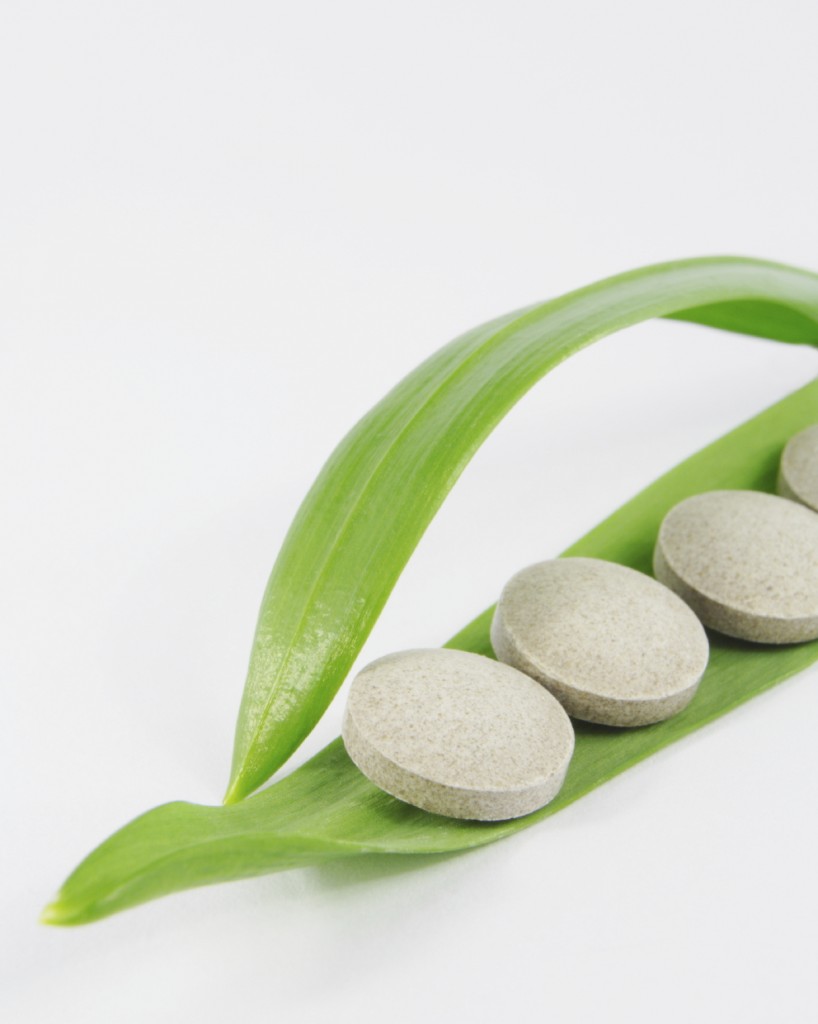 It’s important to consider that unlike synthetic drugs which have recommended dosages on their labels, there’s still less information available in determining the proper dosage for herbal supplements such as Damiana. As of today, there’s no official recommendation on what constitutes an effective and safe Damiana herb dosage. The herb comes in varied preparations and forms including extracts, dried leaves, tinctures, alcoholic beverages and capsules. In terms of recommended Damiana dose, it differs for every product because of the varying factors or potencies. Hence, always follow specific instructions when buying Damiana products.
Since the safe and effective dose for Damiana hasn’t been determined, it is a better to begin with a reasonable dose and check how your body responds to it. If you are experiencing negative effects, decreasing the dose would be recommended. However, if you think it’s working minimally but not as effectively as it could, increase the Damiana herb dosage a little bit (while not exceeding the recommended dose on its label) would be good. Keep in mind that there’s no such thing as a maximum safe dose when it comes to Damiana.
Now, there are general considerations in terms of Damiana herb dosage. Unlike commercial drugs which are strictly regulated by FDA, herb supplements are still considered by the agency as ‘food’ and are not closely regulated. With this, it is best to purchase your Damiana supplement from a reliable manufacturer. It recommended to check for the “USP” symbol, meaning that the herbal supplement has undergone tests and contains the right amount of ingredients. Another consideration is when you have any pre-existing medical problems or are taking prescription medications. If you do have, ask your healthcare provider or doctor before taking Damiana supplements. Also, you have to talk to your doctor if you are in doubt of anything with regards to the dosage.
Despite its multiple benefits, taking high dosages of Damiana can lead to numerous health problems including nausea, convulsions and vomiting. It has also laxative properties that can overdo its treatment effects for constipation and hence lead to diarrhea. Also, taking a large amount can cause hallucinations and extreme mood swings. People with a history of psychiatric disorder should refrain from taking Damiana.
Damiana herb can be administered in several ways and with this, there are usual safe dosages allowed based on traditional medicine. Preparation of Damiana tea consists of 250 ml of hot water to one gram of dried Damiana leaves. The leaves should be dipped into hot water for 10 -15 minutes. Strain the drink, cool and drink 3 cups of this tea daily to treat various illnesses. The Damiana herbal capsules can also be taken, with dosage amounts ranging from 400 – 800 mg once to three times a day. Similarly, the herb can be taken as herbal tincture, with a dosage amount of 2-3 ml of tincture, three times a day. The damiana herb dosage stated earlier isn’t enough to effectively treat various illnesses by itself, mind you. It is because the herbal preparations made from Damiana herb are typically never used alone. Oftentimes, the herb is believed to be more effective when it is combined with other herbs that have similar healing actions or complementary mechanisms on the human body.
Different Forms Of Damiana
Tips To Effectively Use Damiana Herb Powder
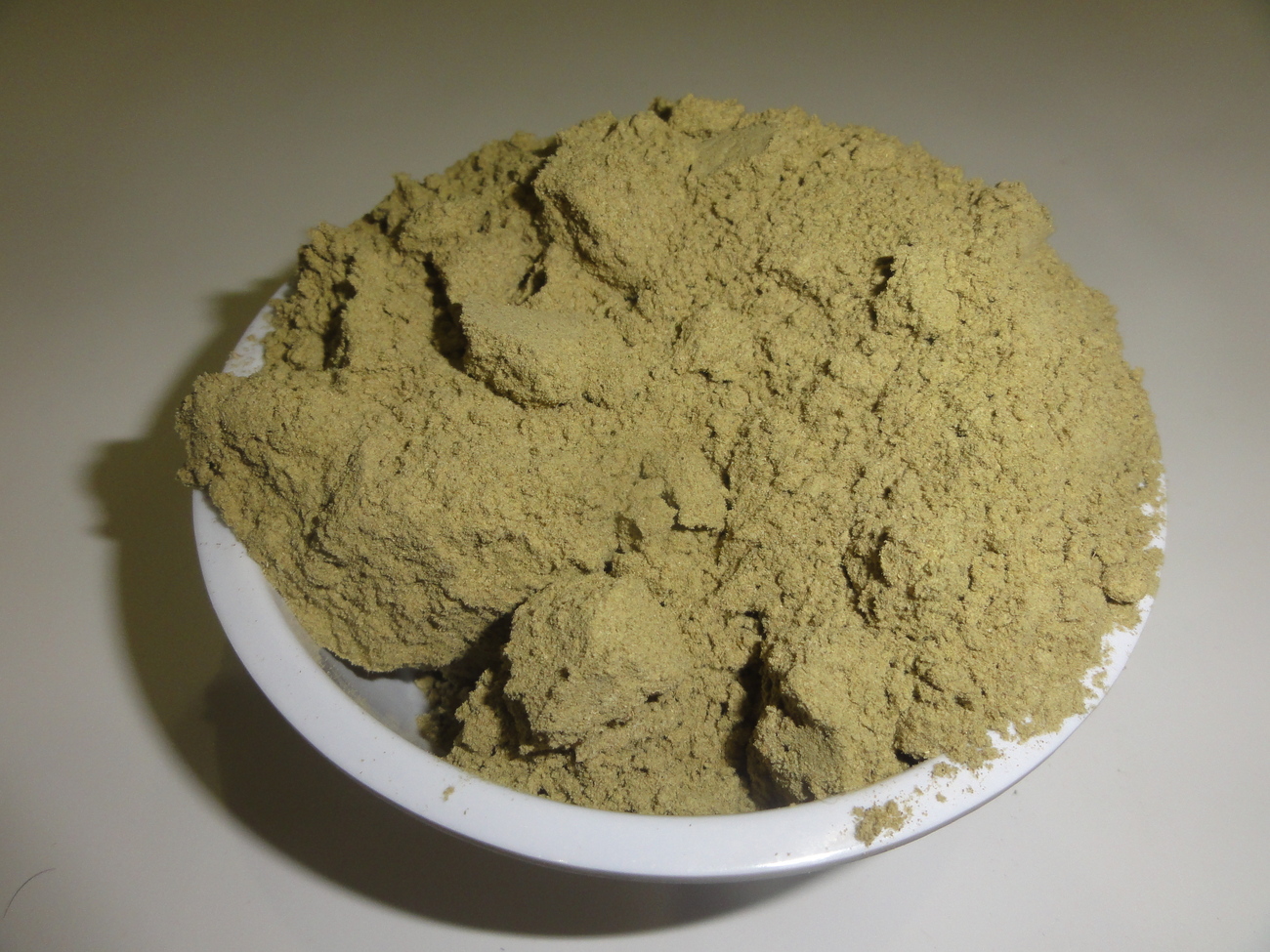 Damiana is prepared in several ways and one is in leaf powder form. Damiana herb powder is a preparation taken from the dried leaves of Turnera diffusa , a shrub that grows predominantly in Central and South America. It is also known as Damiana aphrodisiaca, Old Woman’s Broom and Herba dela Pastora. It is a sexual stimulant, increasing blood flow and stimulation, and metabolism. It also contains a specific chemical component that directly soothes the nerves and stimulates the genitals.
The Damiana leaf powder is high in naturally-occurring plant chemicals that make up for its medicinal properties. Its chemical composition is complex, containing 1% volatile oil comprising at least 20 constituents. The leaves contains flavonoids, tannins, beta-sitosterol, Damianin, glycosides, arbutin, gonzalitosin and tetraphyllin B. Damiana leaves are carefully milled into fine powder, commonly stuffed in capsules or used in infusions, tinctures and extracts.
Damiana herb powder promotes a relaxing effect, providing a mild euphoric feeling and serving as a light aphrodisiac. Deemed an overall tonic, it also promotes a feeling of well-being. Damiana stimulates circulation and boosts energy levels to ease up fatigue and cause weight loss. Initially, the effect only last for one hour but with continued use, it becomes much longer.
The herb powder is best prepared as an herbal tea (infusion). To make Damiana tea, use one teaspoonful of Damiana herb powder for every cup of water. Pour boiling water over the cup with herb and let it steep for 10 – 15 minutes. You can sift the tea or just let the powder settle at the bottom of the cup. Drink warm. For treatment purposes, it is best taken 1 cup, 2 – 3 times per day. The powder can also be compounded into an elixir, as a capsule or extract. Because of its natural bitter taste, the powder can be added to juices for a more palatable drink.
The powder can also be used in making Damiana liquor. Mix 1 oz. or 30 grams of Damiana powder in ½ liter of liquor and allow it to soak for 5 days. Strain the alcohol and keep the alcohol soaked leaves. Again, soak the drenched leaves in 125 ml of mineral water for another 5 days. Strain the mixture and heat the water extract until it reaches just below the boiling point. Pour ½ cup of honey. Combine the water extract and alcohol extract in a bottle and let it age for a month. The mix will gradually settle down and the clear liquid will appear. Pour the liquid gently in another clean bottle. For best results, drink 1 – 2 glasses in the evening.
Always take Damiana with caution. Herbal tea may lower blood sugar, although tinctures do not. Because the plant has an abortive effect, pregnant women should refrain from taking it. Damiana herb powder can be purchased in health product shops or via online. When buying through the Internet, just make sure that the product you get is made from 100% pure Damiana leaves with no additives, fillers or binders.
Useful Tips About Damiana Herb Supplements
 Damiana herb supplements can be in the form of tinctures, extract, capsules, essential oils, tea, leaf powder or tablets. When purchasing Damiana herb supplement, you can choose either the individual pure Damiana leaf supplement or the comprehensive product, which includes Damiana leaf plus other herbs, vitamins and minerals. Perhaps choosing the latter is better off due to many reasons. One reason is that it can maximize the benefits of Damiana herb.
Many herbalists claim that one can attain better results by taking a blend of vitamins, minerals and herbs in one formula. It is because a lot of herbs, minerals and vitamins work together synergistically. For instance, Damiana herb capsules can be stuffed with other herbs such as licorice, which stimulate the libido as well. Another reason is that it can contribute several health benefits in one time even while offsetting possible side effects of one herb with another.
How to choose an ideal Damiana herb supplement? Numerous brands of Damiana herb tablets or capsules do not meet standard requirements. Being a consumer, one should know useful tips on how to identify genuine Damiana supplement. First is to check if it is formulated under excellent manufacturing standards, containing only the purest ingredients and made by the best, highly-credentialed scientists. It should also have synergistic ingredients of consistent herbal extracts, together with essential nutrients, vitamins and minerals to complement the effectiveness of Damiana leaf.
Just like taking other herbal supplements, the results may differ from person to person so make sure you consult your health care provider or qualified herbalist prior to using Damiana herb pills or any form of herbal supplement. Damiana leaf has plenty of uses and can be beneficial in enhancing libido in conjunction with other herbs. It has been shown to increase blood circulation and sensitivity in the genital areas as well as kindle sexual desire. It can also strengthen the nervous system, as it is believed to help in balancing the hormones because of its testosterone-like effect. In women, it is used to alleviate menopause symptoms, treating various conditions that commonly arise from the onset of menopausal stage.
When taking Damiana herb supplements, use them as directed by your health care provider or herbalist, or as directed on the product package. More and more Damiana products such as tinctures, extracts and capsules give a more reliable dosage on their product labels so there is no need to worry over the dosage any longer. Another tip is to take the capsule form with a full glass of water. Also, do not take different formulations of Damiana at the same time, unless it is noted directly that you should by your health care provider.
Healing Benefits Of Damiana Herb Tea & Tips On Making It
 Damiana herb tea has been used for centuries to treat a wide variety of illnesses, generally ones of constipation and sexual dysfunction. The herb is popularly taken as an herbal tea using dried Damiana leaves. These leaves can be purchased via online sources or from natural health stores.
Many people believe Damiana tea helps with their emotional or mental struggle. Those who are suffering from extreme exhaustion or fatigue might discover an energy boost if they regularly take Damiana. The tea can also be used as a supplement for the treatment of depression. Even those who think they are not depressed find that Damiana lifts their spirits. Many users say the herb relieves their mood in times of excessive stress or worries. Apart from its benefits in treating medical conditions, it is also traditionally used as an aphrodisiac. Recent studies show that drinking Damiana herb tea regularly promotes well-being in the reproductive system. The herb increases blood flow and stimulation in the genital area, increases sperm count and strengthens the integrity of egg cells. It is also has a mood-balancing property, bringing a euphoric feeling. Generally, Damiana has a wide range of medicinal uses so it may be used as an energy booster, laxative, astringent, antiseptic, cough suppressant and diuretic.
Damiana tea is not only used as an aphrodisiac and herbal remedy: some people thought that the herb could be used as a medium for enlightenment or spiritual healing. Its spiritual powers have been featured in Ancient Mayans records and in some Central American mystical legends.
The process of making Damiana tea is easy and simple. The procedure is similar to making traditional herbal tea from leaves. But the use of dried leaves makes it rather more difficult than the mere steeping of tea bags in water. Start by putting two large teaspoons of dried Damiana leaves in a clean mug. Using a small saucepan, bring to boil one cup of water and pour it over the mug with the dried Damiana leaves.
Let the soaked leaves stay in the mug for 15 – 20 minutes. Within this time, the essence and flavor of the leaves will be extracted by the hot water. After that, strain the tea over another coffee mug and remove excess tea leaves. Drink the tea right away to get optimal health benefits. Damiana commonly has a bitter taste. Hence, to improve the flavor of the herb tea, you can add different kinds of ingredients. For instance, you can add a teaspoon of honey to sweeten the flavor. Adding refined sugar isn’t advisable as a sweetener like this can be damaging to the healing component of the herbal tea. On the other hand, a little squeeze of lemon can be used if desired.
A number of herbalists might indicate that natural remedies do not always mean safe remedies. It is because there are contraindications and limitations when taking Damiana herbal tea. Pregnant and nursing women must refrain from drinking the tea and taking large doses of this tea can induce insomnia, headache and worse, liver damage. Most herbalists suggest asking your physician first before self-medicating using herbal supplements.
The History & Benefits Of Damiana Liqueur
 Also known as the Damiana aphrodisiac, Damiana liqueur is an alcoholic drink made from the roots and leaves of Turnera diffusa, better known as Damiana. This alcoholic beverage has a distinct sweet and light flavor, with a unique aromatic smell. The beverage can be easily recognized because it is packed in a glass bottle shaped like a pregnant woman, intended to symbolize the Incan goddess of fertility. Today, the liqueur is also a popular ingredient in different cocktail recipes and vodka drinks.
The origin of Damiana liqueur is believed to date all the way back to the ancient Mayan civilization. The roots and leaves of the flowering Damiana were dried and dipped in an alcohol-based fluid to age. This is considered the earliest version of the liqueur. As time passed, modern manufacturers improved this primitive beverage by adding sugar, vanilla, honey and different flavorings to make it palatable, and hence, it started to be marketed on its own. Today, most brands of the liqueur still possess that distinct aromatic smell of the Damiana, making it unique from other beverages.
There are also popular legends about the Damiana liqueur. In ancient times, the Guaycura Indians created this beverage from Damiana herb, which is a perennial plant in the desert of Southern Baja California, Mexico. The tribe drank this liqueur for centuries and based on ancient legend, its aphrodisiac power even caused the Indian chieftain to ban its consumption. Even today, the liqueur is still a popular present during wedding day. Oftentimes, as part of traditional Mexican wedding custom, the mother-in-law gives the bride Damiana beverage as a gift in the hopes of many fine grandchildren.
Most of the time, it is used as a mixing ingredient to make a variety of vodka recipe drinks. In traditional Mexican liqueur, Damiana was actually the original ingredient for margarita: this is before Triple Sec became the common combination of choice for tequila-based drinks. A certain region in Mexico, particularly in Los Cabos, still uses the original version of margarita. It can also be drunk purely and be served in shot-glass style.
Making homemade Damiana liqueur is simple. You can start by steeping the leaves in whiskey and then in water. Strain the mixture and the resulting liquid is mixed with honey. Before placing in a bottle, several ingredients such as citrus extracts, berries and other aromatic ingredients can be mixed as well to produce a distinct blend. Leave it to age for several weeks or months. Making this beverage can be demanding and time-consuming, yet truly rewarding later on.
One of the main reasons this liqueur remains popular is because of its wide range of health benefits. Known to have an aphrodisiac effect when ingested, Damiana is a known herb harvested for its libido-enhancing properties. It is also used to treat other illnesses including depression, anxiety, nausea, asthma, indigestion, constipation, frigidity in women, menstrual irregularities, and erectile dysfunction. Although Damiana liqueur contains a smaller amount of herb than what the supplements possess, many people still claim to gain equal health benefits from the beverage.
The Benefits Of Damiana Herb Essential Oil In Aromatherapy
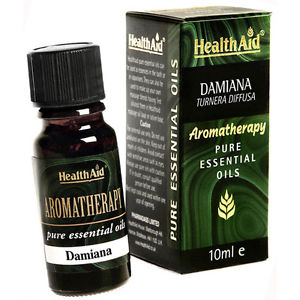 Damiana essential oil has been studied by different pharmaceutical companies for its aphrodisiac properties. Evidence shows its ability to reinforce the male sexual system because of the plant’s high alkaloid content and ability to act similar to testosterone. Damiana essential oil has constantly been studied because, as an herb, it has unique sexual arousal abilities. Studies show that it is indeed an aphrodisiac and can possibly be the next Viagra.
The scent of Damiana herbal oil is pleasantly invigorating and refreshing with sweet, spicy, camphorous top notes and herbaceous undertones. You can even identify a minimal hint of honey in its aroma. This is ideal for people who wanted a deep, natural scent, bringing a sweet, seductive and refreshing atmosphere.
Similar to other herbal essential oils, the Damiana herbal oil is also extracted through steam distillation. The particular plant matter that is processed are the leaves and stem, and these are harvested during flowering season. Scientific research shows that Damiana herbal essential oil contains a wealth of libido-enhancing properties. For hundreds of years, Damiana plant has been a popular aphrodisiac, even used by the Mayan and Aztec civilizations to boost sexual potency.
The essential oil coming from Damiana is a popular herbal preparation in traditional medicine, often used in making Damiana liquor and tea. The most abundant chemical constituents of the oil include terpene, flavonoid, pinene, cymol, Arbutin and cymere, cineol, cymol, cadinene and copaenen, alkaloids, cyanogenic glycoside, tannin, and resin.
The Damiana herbal essential oil from the leaves contains a fragrant component known as terpenes. Some studies suggest terpenes, together with other plant components, in fact make up pheromones – the sexual communication chemicals. Terpene is a very common compound in essential oils. Packed with healing properties, its stimulating effect on the body’s mucous membranes is often used as a decongestant. It also has anti-inflammatory, antiviral, antibacterial and antiseptic therapeutic properties.
The herbal oil is used to strengthen the nervous system, to increase energy and fortify sexual strength. It is also used to treat varied common illnesses such as asthma, bronchitis, constipation, cough, exhaustion, headaches, hot flushes, anxiety, depression and low estrogen in women. When used for aromatherapy, it brings sensual and invigorating feelings to the mind, increasing one’s sense of health and well-being. According to some traditional understandings, it also removes blockages in the soul and stimulates a gentle flow of vital life energy.
The essential oil is typically used as a perfume, massage oil or a bath mix for an uplifting effect. It can generate a sensual atmosphere if used in an oil burner. Use Damiana herbal essential oil in times when you feel your vital life energy is low, whether it affects your appetite for food or sex. People who tried it in aromatherapy proved its grounding, calming and rejuvenating effect on their mind and bodies.
The Healing Wonder Of Damiana Herb Extract
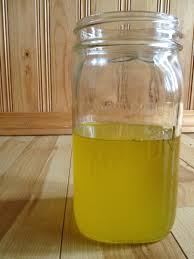 Damiana herb extract usually comes in powdered capsule form or as a liquid tincture created from the extract added to alcohol or water. The extract is taken from Turnera diffusa, a common shrub in Central and South America. The leaves of Damiana have long been used due to its medicinal properties on digestive and bronchial systems. Perhaps the most popular use of herbal extract is its effect of enhancing libido. Claims also suggest its effectiveness in treating indigestion and mood problems.
It can also help in fighting depression and anxiety. Because the Damiana herb extract stimulates blood circulation by kicking up the blood flow in every part of the body, it can increase metabolism and boost energy levels, which in turn may result to possible weight loss. Today, the extract is added to several energy drinks for this specific reason.
Damiana is a popular treatment against certain digestive discomforts such as constipation. It is because the effect of the herb extract to the gut is similar to that of parsley, acting as a diuretic and laxative. On other hand, it is also believed to relieve dysentery and diarrhea. Damiana herb extract is believed to affect the nervous system by acting as an anti-depressant, reducing nervousness, anxious feelings and mild depression. It promotes a feeling of well-being. Based on folk medicine, Damiana extract also treats headaches, common colds, cough, enuresis, nephritis and dysmenorrheal pains.
Being a blood purifier, Damiana extract has aromatic oil, mainly composed of terpenes, a chemical substance commonly found in plants. This means Damiana has a similar chemical category to the compounds typically found in parsley and junipers. This type of oil irritates the mucosal lining and helps in its production while reducing the thickness of the fluids that make up these linings. In the case of Damiana, this mechanism is most distinguished in the reproductive and urinary systems. The common safe dose of Damiana are 0.5 grams of dried leaves, 1 teaspoon of fresh leaf, 0.5 grams of leaf extract, 3 grams of alcohol extract and 2 ml of water extract.
If you choose to take Damiana herbal extract in its tincture form, it is not recommended to ingest a concentrated mixture because of its very bitter taste and high potency. It is better to dissolve it into a glass of water, juice or into a piece of bread. Just like other plant-based supplements, allergic reactions may occur because of taking Damiana extract. In addition, Damiana has the effect of inhibiting iron absorption so refrain from taking it if you have anemia.
Buying Damiana Herb | Consumer Guide When Buying Online

For a long time, people have been taking herbal products due to their astonishing healing properties. It is not surprising anymore because of the amount of chemicals in over-the-counter drugs and the gravity of certain synthetic drug side effects. Hence, natural remedies are favored because they are known to be as potent as synthetic drugs in many cases, but without any harmful side effects. Damiana herb is one of the most sought herbs today because of its aphrodisiac qualities. That is why it is important to know where to buy Damiana herb and determine an authentic one from a fake, particularly if you choose to buy Damiana online.
If you are planning to purchase Damiana online, you always want to ensure that you are buying only authentic stuff. Thus, you have to check the ingredients used in their supplements and the manufacturer. The Internet can be a great source of information in terms of the ingredients, how it affects the body and the things to look out for. Always do your own research on any components with which you are not familiar. Check the recommended dosage amounts if you buy Damiana herb and confirm if the supplement reaches that amount. You should also ask where the supplements are manufactured or shipped from since not all countries share the same quality standards.
If you are wondering where to buy Damiana herb, numerous health stores offer Damiana herb for sale. Damiana is frequently sold in supplements that contain a number of popular herbs that also have the reputation of enhancing sexual libido such as maca, horny goat weed and ginseng. Products that contain a mix of components including Damiana are considered top herbs and have significant positive feedback from consumers. Many people are buying tablets and capsules, which have been the most convenient method for consumers when taking Damiana. However, other people who prefer to take herbal tea can buy Damiana leaves. There are also Damiana tinctures, extracts, leaf powders and essential oils available. In addition, if you want to grow Damiana herb, there are also Damiana seeds sale online so those with the green thumbs had better check it out.
It is human nature to look out for bargains and in this case, cheap supplements. There’s nothing wrong with doing it but it is highly recommended to purchase with caution. It is because the entire process of creating high quality health supplements is quite costly. The ingredient should be carefully grown and harvested and the production process should meet strict standards. The situation on herbs is even worse because herbs are more sensitive when exposed to light, heat or other elements and conditions. Thus, cultivating, harvesting and processing have to be carried out carefully. Therefore, if the Damiana supplement costs much lower compared to other brands, it is possible that the ingredients are inferior in quality or that the item has undesirable content such as fillers, additives or even contaminants.
If you are searching for discount herbal supplements with decent quality, it is better to follow your instincts – if the price is too good to be true, it probably is. When you buy Damiana herb online, you should look for a trustworthy supplier. You can ask your family or friends for recommendations. If you can’t find a list of trustworthy sites, do your own search on the Internet and look for sellers with high reorder rates or with a good record of positive feedback.
Growing Damiana | Step-by-Step Procedure
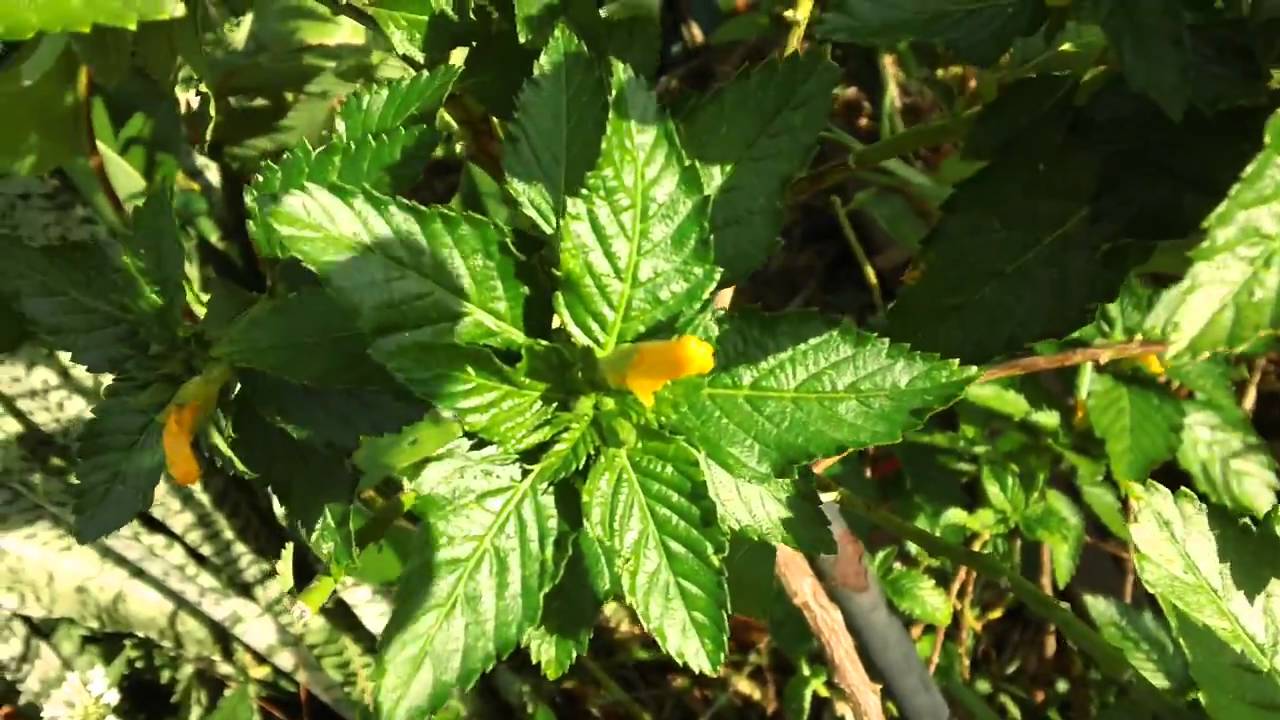
The Damiana herb commonly grows in tropical climates, mainly in Mexico, South America, Central America and the Caribbean. It is a shrub that can easily be recognized because of its small and aromatic yellow flowers that bloom during early to late summer. The plant is very popular for its aphrodisiac effect and is also used in making herbal supplements. Because of this, more and more people take interest in growing Damiana herb. If you plan on growing the plant in northern regions, make sure that there will be an abundant supply of warmth and sun, perhaps in a green house. While the roots of Damiana can survive very cold climates, its leaves and branches are not frost-enduring.
When the growing Damiana herb reaches 3 -6 feet tall, it might be best to keep it outdoors except if you have a greenhouse or if you want to trim it down. A good start of growing this plant is by planting it in a pot, so it can easily be transferred to the herb garden later. The plant needs at least 8 hours of sun every day.
To start growing Damiana herb, remember that it must be sown in a typical potting soil. Lightly cover the seed and maintain the soil moisture until germination. The seeds usually take some time to sprout so keep waiting. If you have planted it during late winter months, keep them inside and wait until there’s no more frost. When the seedlings have already produced two sets of true leaves, you can transplant the herb into 3 -4 inch pots covered with light potting medium.
When the hazards of frost end, the seedlings can gradually be made to adapt the environment by placing them in a safe and shady location several hours per day until fully transferring them to rest under the sun. Continue growing the plants under the sun and keep repotting the plants once they grow bigger. To support its growth, you can put light fertilization in the soil to make it leafier. In nature, Damiana can survive even in harsh environments so there’s no need to fertilize it heavily. Apply a diluted liquid fertilizer by following the mixing instructions for potted plants once a month. Fertilize the plant from April to August. Pinch the plant once a month by pruning the growing tips to encourage branching.
Growing Damiana herb can be difficult, particularly in winter months. During this season, bring the plant indoors. You can place it in unheated sunrooms or porches or perhaps in an unheated greenhouse, so long as it stays above freezing temperature. Don’t fertilize the plant during winter and provide warmth as much as possible. You can use growing lights to supplement plant growth, but only if you don’t have southern window exposure. Water only if the soil feels dried up.
The steps on how to grow Damiana are not complicated. You just have to follow important points such as proper fertilizing, repotting and pinching. People in northern areas who plan on growing Damiana herb might have a hard time searching for the seeds. When ordering online, make sure to get Turnera diffusa seeds, since there are several varieties of Turnera.

@yourkefirsource
Giselle
Latest posts by Giselle (see all)
- The Magic of Damiana - July 15, 2015
- Baobab Cosmetics | An Increasing Market For The Cosmetic Industry - June 21, 2015
- Baobab | The New Super Tree - June 15, 2015

Leave a Reply