Post Contents
- 1 The Many Secrets of Ayurvedic Herbs
- 1.1 Introduction to Ayurvedic Herbs
- 1.2 Benefits of Ayurvedic Herbs
- 1.3 Different Forms of Ayurvedic Herbs
- 1.4 Why Buy Ayurvedic Herbs?
- 1.5 Popular Ayurvedic Herbs
- 1.5.1 Ten Benefits of Turmeric
- 1.5.2 How to Use Sesame for its Benefits
- 1.5.3 All About Poppy Seeds
- 1.5.4 Myrrh Benefits, Uses and Side Effects
- 1.5.5 Benefits and Side Effects of Licorice
- 1.5.6 Guggul Down Your Cholesterol
- 1.5.7 Benefits of Gotu Kola
- 1.5.8 How to Choose Ginger Roots To Acquire Its Benefits
- 1.5.9 Top Ten Benefits of Cumin
- 1.5.10 How to Maximize the Benefits of Garlic
- 1.5.11 Coleus Forskohlii for Your Heart
- 1.5.12 Boswellia as a Pain-Reliever
- 1.5.13 Ashwagandha as an Ayurvedic Herb
- 1.5.14 Aloe Vera Herb Benefits
The Many Secrets of Ayurvedic Herbs

Introduction to Ayurvedic Herbs
What Are Ayurvedic Herbs?
Different types of herbs, known for their natural healing properties, are used in Ayurvedic medicine.
Ayurvedic herbs are a part of a traditional medicinal practice that originates from India and when directly translated, means “Science of Life”. The main principle of Ayurveda is to avoid and treat illnesses by maintaining the balance in the body, mind and consciousness achieved through proper drinking, diet, lifestyle as well with the help of herbal remedies. These various natural and organic herbs are derived from plants and animal products that are known to aid in the treatment of diseases, illnesses and imbalances within the body. Ayurvedic herbal medicine is considered an alternative medicine that traces back to more than 5,000 years ago and up to this day is still widely used. But despite them being one of the oldest forms of organized medicine, the question remains one asked by many people: What are Ayurvedic herbs and how beneficial are they to the body?
Organic Ayurvedic herbs are known to balance all elements of health, are used to treat different ailments, help in weight loss and immunity, help heal wounds and are used for purification purposes. Ayurvedic herbal treatments use only medicinal plants and animal products such as roots, seeds, milk, bone and fats to cure the elements of diseases and illnesses rather than just treating the symptoms.
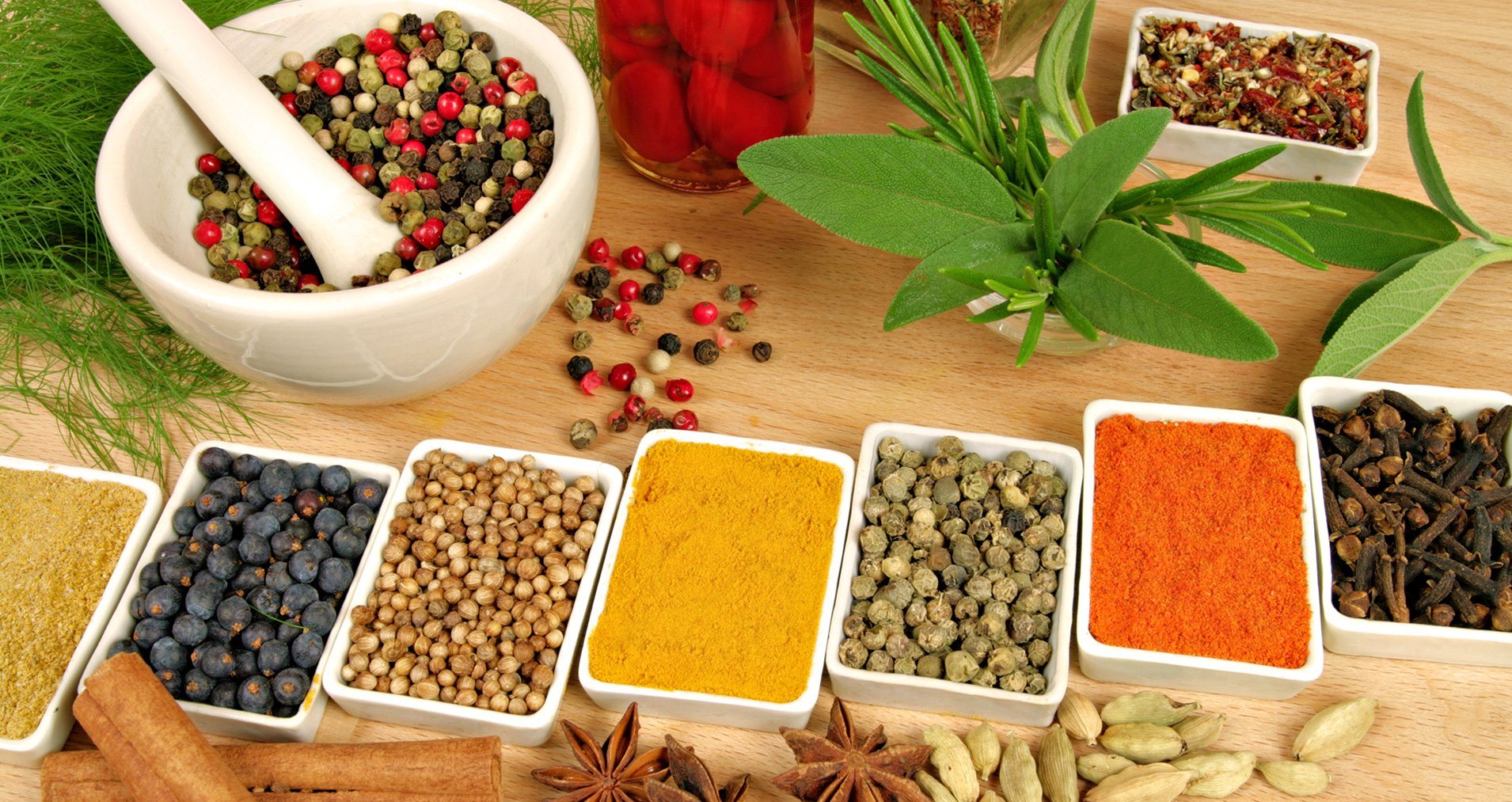
Different types of herbs, known for their natural healing properties, are used in ayurvedic medicine.
Ayurvedic herbs can be found all over the world, although they usually survive in tropic and subtropical regions. These natural remedies also involve how to find an individual’s mind and body type or what Ayurveda knows as doshas. Dosha types are based on an individual’s characteristics such as eye color, weight, body frame and other physical and health aspects.
There are three basic energy types called doshas that incorporate the universal elements present in each person.
First, there is vata or wind that controls bodily functions connected with motion, which includes blood circulation, heartbeat, breathing and blinking.
The second is pitta or fire that controls metabolic systems of the body such as digestion, absorption, nutrition and temperature.
Finally, the last is kapha or earth which controls growth in the body. This energy supplies water to all the body parts, maintains the immune system and moisturizes the skin.
All individuals have all types of energies but some individuals have a combination of two energies more dominant than the other. An imbalanced dosha is believed to interrupt the natural flow of the vital energy in the body. When the doshas of an individual are imbalanced, diseases and illnesses permeate the body.
This kind of herbalism requires a combination of different Ayurvedic herbs that are used to attain a dosha equilibrium to stabilize overall health. Once practitioners diagnose the dosha imbalances and conditions of the ailment, proper prescription of herbs is administered to bring the doshas back into balance. Each person will have a different composition of doshas, which will have different requirements of Ayurvedic herbs.
Most Ayurvedic therapies are unlikely to have bad effects; however, they still may react to other medications. In addition, there have been studies that mercury and lead have contaminated some Ayurvedic herb supplements. Understanding Ayurveda and the benefits and drawbacks involved in Ayurvedic herbal use can help you reap the benefits of this discipline without also taking in the negatives.
How the Uses of Ayurvedic Herbs and Spices Can Help Your Health
 As mentioned earlier, the uses of Ayurvedic herbs and spices revolve around maintaining an ideal balance in order to attain proper nutrition and health. Since imbalances in the dosha cause illness, equilibrium translates to good health. Of course, just what restores equilibrium for one person is subject to his circumstances. Therefore, a designed treatment protocol that specifically addresses a person’s health challenges by use of Ayurvedic herbs is needed.
A reason why Ayurvedic herbs are gaining popularity as an alternative medicine to this day is that there are minimal side effects and adverse reactions in their usage. These herbs also have medicinal qualities that provide treatment from the smallest inconveniences to serious internal ailments. While we can talk about specific herbs in more depth later, we can mention here some of the most common Ayurvedic herbs and spices:
- Winter cherries, boswellia and turmeric when combined with yoga can help reduce pain and disability with people with arthritis.
- Guggul is used to treat people with high cholesterol levels by blocking the production of cholesterol in liver.
- Fenugreek seeds lower bad cholesterol and triglycerides while in return raise good cholesterol levels. They also aid in controlling blood sugar levels for those with diabetes.
- Churnas which is similar to curry can be sprinkled over food to help with asthma, colds and bronchial congestion.
- Aloe, black pepper, cinnamon, ginseng, red clover, myrrh and sandalwood are used to heal wounds, sores and boils.
- Marshmallow roots and leaves are used as antacids to neutralize acid production by the stomach. The healthy gastric acids retained by the herbs are then used for proper digestion.
- Turmeric inhibits the growth of germs, harmful microbes and bacteria and can also be used as an antibiotic to heal wounds and cuts.
- To reduce fever, black pepper, brihati, safflower and sandalwood are recommended.
- Antiseptic herbs include aloe vera, chitrak, gokshura, sandalwood and turmeric.
- There are calmative herbs that provide a soothing effect to the body that can be used as sedatives.
- Arka, gudachi and katuka have disinfectant properties that destroy diseases caused by germs. They inhibit the grown of pathogenic microbes that can cause communicable diseases.
- Ginger and cloves are known for their expectorant property which promotes the thinning and ejection of mucus from the trachea, lungs and bronchi. Cardamom, cloves, eucalyptus and wild cherry are also expectorants.
There are many more. Many Ayurvedic herbs are even now being studied to produce treatments for Alzheimer’s disease and Parkinson’s disease. These make a great alternative to Western medicine if you want to try something different in hopes of finding a medical solution that works for you.
Side Effects of Ayurvedic Herbs in Common Usage
 Ayurvedic herbs may aim to bring a perfect mechanism to balance the harmony between the mind and spirit, but the side effects of Ayurvedic herbs should not be ignored either for those who feel imbalances even after Ayurvedic treatment.
Herbs used for Ayurvedic medicine are highly nutritive, some even packed with a ton of healing properties. Each herb has its unique medicinal benefits coupled with a good aroma and flavor. But with any intake of food, drugs or liquids, there will always be side effects existing as possibilities.
For example, the prolonged used of licorice root for more than 50 grams a day may increase water accumulation that can result to swelling in the hands and feet. Licorice should also not be used by people with low serum potassium, cardiovascular diseases, high blood pressure, illnesses regarding irregularities in heart rhythm, gall bladder diseases, kidney diseases, sever alcohol abuse, anorexia, bulimia or untreated hypothyroidism. Swelling is a warning that the body is retaining too much sodium and is excreting too much potassium, and people with the aforementioned illnesses would be in danger of complications in such cases.
Consuming large amounts of garlic may also increase the risk of post-operative bleeding. Garlic, in some cases, evokes allergic reactions such as dermatitis and asthmatic attacks after inhalation. The same reactions may also be brought on by onions. Ingestion of garlic in any form on an empty stomach may cause heartburn, vomiting, nausea and diarrhea. Isabgul items, on the other hand, should always be taken with significant amounts of liquid at least half an hour after other supplements and medication such as calcium and vitamins are taken.
A major symptom of overdose is severe diarrhea with eventual loss of fluids and electrolytes. Aloe should not be used by patients with severe dehydration, chronic constipation and electrolyte depletion. It should also not be used by people with inflammatory intestinal diseases such as appendicitis, irritable bowel syndromes, ulcerative colitis and should not be used during pregnancy or lactation.
Ayurvedic medicine may be an herbal form of medication but it should still be administered by licensed Ayurvedic physicians for proper use. It is evident in this short list of the side effects of Ayurvedic herbs (the most common ones, anyway) that taking any kind of medication comes with its own costs. Observe proper instructions when it comes to taking any kind of medication and make sure to consult with your physician if taking any complementary therapies.
The Modern Application: Ayurvedic Herbs Extracts for Portability
 Of course, it’s not exactly easy to cart around some herbs with you when you’re always on the go. You’re not going to win over your boss (or the local vampires) by bringing garlic to the office in your suitcase every morning. Ayurvedic herbs extracts exist to solve that common problem for many of us, fortunately, and they can be every bit as effective as the natural herbs when prepared properly
When making Ayurvedic oils and extracts, a huge quantity of the herbs is boiled along with a base oil. Sesame oil is the most widely used kind of base oil for Ayurvedic medicine. Preparing Ayurvedic oils and extracts is a process of combining water, herbs and oils as they are cooked to a certain point. Once all the contents are boiled in well, the herbs are removed while the remaining liquid becomes the Ayurvedic oil. The oils that are prepared in the Ayurvedic way follow a strict system of medicine with some of the most common oils such as bala ashwagandha, brahmi, bringadi, dhanwantaram and mahanarayana.
Using these oils often ensures a complete and balanced life to keep a person’s body fit. When applied, these oils easily penetrate into skin and that instantly provides the healing properties of nature directly to the cells of the body. Many people have turned to using Ayurvedic herbs, oils and treatments. Ayurvedic oils and Ayurvedic liniments in particular have been proven to fight off ailments and disorders.
One of the most widely used extracts is the coconut oil used to calm the mind and body. Sesame oil is also used during massages to promote blood circulation. The best part of making use of such oils and extracts are that they have minimal to no side effects, unlike Western medications available in the market today. Products that are made up of Ayurvedic oils and extracts usually have no artificial elements in them. From the preparations to the fragrance to the preservatives or chemicals, no artificial elements are used, which then helps retain the preparations’ natural and organic states.
The only important factor is for people to know the right quantity and correct blend of herbs to give them desirable results to cure ailments and diseases. The best way is to seek expert advice for the right combination of Ayurvedic oils and extracts for a specific ailment. It is also best to consult a health care provider that specializes in Ayurvedic medicine, especially when planning to take Ayurvedic medication orally.
To obtain the best results, the right kinds of Ayurvedic herbs extracts should be used so make sure to do prior research before experimenting with such herbal remedies. These alternative medicines are already abundantly found in specialty stores around the globe as hundreds of companies today turn to Ayurvedic products to provide them and their customers with effective solutions. Ayurvedic oils and extracts remain natural elements provided by nature itself that ensure a holistic and balanced well-being for the mind and body.
Benefits of Ayurvedic Herbs
How to Use Ayurvedic Herbs Recipes to Improve One’s Dosha Balance

Dosha refers to the balance of life through the elements.
Ayuvedic practitioners believe that if the kind of food you eat is not suited to your needs for balance, then no amount of medicine can keep you well. But if the kind of Ayurvedic herbs recipes you take are wholesome and are suited to your needs, then you probably won’t need medicine at all.
Although diet is a significant healing component in Ayurveda, there is no one-size-fits-all kind of rule. Every person has his own unique constitutional make-up and has his own needs to obtain balance. Thus, a person’s dietary needs differ as well. There are no pre-set calculations by age, gender or calorie count instructions in Ayurvedic dietary theories. There are only recommendations on what to eat.
The instructions are based on the six different tastes to every meal: sweet, salty, sour, bitter, pungent and astringent. Favoring one taste over the other to suit your needs and incorporating smaller amounts of those you don’t need is how the recipes are developed. Incorporating different tastes to each meal reduces cravings and balances the appetite, resulting to a natural digestion.
The Ayurvedic way of cooking is basically combining a harmonious collection of wholesome ingredients into a feast for all your senses. In a well-prepared Ayurvedic meal, a medley of tastes, textures, colors, aromas and flavors are blended together to restore balance to a person’s body, mind, spirit, senses and emotions.
A typical cook’s kitchen cabinet can have food, herbs and spices that have medicinal and nutritional properties already. Many therapeutic herbs and spices are already familiar inhabitants of your kitchen, but some may be unique to Ayurveda. Ayurdevic herbs and spices should then be kept on hand to gently balance the three doshas according to Ayurveda: vata, pitta and kapha. The six different tastes then go hand in hand in obtaining one’s equilibrium dosha.
To calm vita, emphasize sweet, sour and salty herbs and spices such as basil, cardamom, cinnamon, coriander, cumin fennel, fresh ginger, oregano, sage, tarragon and thyme. To cool pitta, stress sweet, bitter and astringent herbs and spices such as cardamom, chamomile, cinnamon, coriander, cumin, fennel, fresh cilantro, fresh ginger, mint, nutmeg and turmeric. Finally, to stimulate kapha, emphasize herbs and spices that are bitter, pungent and astringent such as black pepper, cayenne, cloves, cinnamon, fresh ginger, garlic and mustard.
It should be kept in mind to give yourself time to adjust to these new tastes. When certain recipes don’t taste as good, it only means you’ve become habituated to a limited palate. Give it time and expect significant results as your tastes expand. Taking Ayurvedic herbs recipes that are rich in vegetables, fruits, whole grains, fermented food that give probiotics such as kefir grains and fibrous food that encourage holistic nutrition will keep the body well-balanced and in good health.
Are Ayurvedic Herbs Diets Effective for Weight Loss?

Ayurvedic Herbs Diets Effective for Weight Loss
Dieting and losing weight is a constant struggle for many people who want to achieve a great self-image, proper exercise and longevity. It is always important to feel good about yourself but it’s not always easy to keep the unwanted pounds off. Ayurvedic herbs diets are some of the known easy and effective methods to promote weight loss as Ayurvedic herbs and spices are some of the most used and most effective natural remedies available in the market today.
Ayurveda is an ancient health system that uses natural therapies and remedies as key elements to helping people achieve proper body weight and body fat ratios that eventually lead to achieving the optimal quality of life. Traditionally, Ayurvedic herbal formulas have been used against specific diseases and sicknesses. However, many studies agree that Ayurvedic herbs and spices also happen to work great for weight loss as they significantly improve digestion. When these herbs and spices are used together with proper diet and exercise, the results are quite significant.
A popular Ayurvedic herb that aids in weight loss is gymnema, which is known to be a sugar-destroyer. The excess sugars in the body play a huge role in gaining weight which is why it’s important to minimize sugar intake and try to use alternatives instead. Gymnema does not only destroy sugar but it can be used as a sweetener as well. This then becomes a powerful benefit to help people who can’t help buying and eating sweet foods.
Guggul is also a popular Ayurvedic herb for weight loss as it is known to be the fat killer. Guggul has been used in Ayurveda for many years as it helps people lose weight faster by increasing metabolism, which helps in getting rid of unnecessary fat concentrations. It also helps in keeping the normal levels of cholesterol, increases the number of white bloods cells and cellular energy and aids in tissue regeneration.
Triphala and Curcumin are known to increase bile excretion that will help improve digestion for detoxification and cleaning purposes. When dietary toxins are eliminated in a more frequent manner, body wastes are removed, resulting to a healthier body. This then becomes the key to a detox diet.
There is no denying that an Ayurvedic diet can work, but many ignore the fact that taking herbs and spices is still not enough to result to weight loss. People cannot simply rely on these Ayurvedic herbs and spices and expect to lose weight in an instant. They should do their part in maintaining self-control when it comes to dieting, along with a daily exercise regimen. By making use of these two factors and with the help of the Ayurvedic weight loss herbs and spices, there is a guarantee that people will lose weight before they even know it.
Intending to pursue Ayurvedic herbs diets can greatly improve one’s health and enhance a person’s energy. Remember that relying on these herbal remedies alone is not enough. The basic principle of Ayurveda is to maintain balance in the body through proper drinking, diet and lifestyle with the help of these Ayurvedic remedies. So do your part in maintaining the balance and see your desired results in no time.
Different Forms of Ayurvedic Herbs
Fasting on Ayurvedic Herbs Juice
 Nowadays, western medicine and technology incorporates many of the Ayurvedic herbs into modern products such as Ayurvedic herbs juice. Ayurvedic juices are specifically formulated using pure extracts of herbs and other natural ingredients. Sufficient consumption of such juices can bring significant benefit to treatment of a specific ailment.
Research has shown that doing occasional juice fasting can bring good health and longevity and can help with weight management as well. Juice fasting is a great way to control weight and to cleanse the body of toxins. This method of detoxification has been used for centuries and results to a lighter and healthier body.
Fasting allows your body and tortured digestive tract to take a break. By taking a few cups of Ayurvedic herbs juice for a time, our body takes advantage of the opportunity of taking a break by not working as hard as it does every day. Thus, this results to cleaning the body of toxins and wastes.
Many people do it for health and wellness concerns but some partake in fasting for mental clarity, spiritual reasons or just to plainly to lose weight. The motivations may vary but fasting requires focus all through the fasting period. Determination, discipline and commitment are necessary and before you know it, you’ll realize you’re doing a great thing for your body.
There are generally two types of juice fasting. One is making vegetable and fruit juices only while the other is consuming vegetables and fruit with soup, broths and smoothies. Many people opt for the latter type as it adds a lot of variation when drinking without having to shave off the benefits.
Although fasting may seem impossible to some, a good plan is to take 6 juice meals a day during your fasting period. Fasting normally lasts a few days depending on the person and reason for fasting. There are people who juice fast at least once a week to give their body systems a break. Aside from drinking Ayurvedic herbs juice, the person fasting should drink plenty of water and liquids, which can include herbal tea as well.
There are certain people who should not participate in fasting such as those with diabetes, hypoglycemia, cancer, pregnant women, those with eating disorders and those who are anemic.
Make sure to choose organic vegetables, herbs and fruits that are low in sugar. Juice should always be fresh or should not be more than a day old. Refrain from storing it as it defeats the purpose of the fast. Drink your juice slowly and make it linger in your mouth for a few seconds to make it more digestible. Juices should be consumed at room temperature so it’ll be easy on the digestive system.
Breaking the Ayurvedic herbs juice fast is an important part of the process and must be done gently. If you suddenly give in to solid food in the middle of the fasting period, it might do more harm than good. Slowly start taking in heavier types of food by each meal to introduce the proteins back to the system. Juice fasting is known for its effectiveness, purity and safety, so opt to juice fast when you want to be kind to your body.
Another Healthy Beverage | Ayurvedic Herbs Wine
 Another beverage those interested in Ayurveda can try is Ayurvedic herbs wine. It’s made by decoction. Decoction is the process of boiling the different kinds of herbs used in Ayurveda to extract their core essences. When herbal remedies are created that involve tough plant parts such as roots, berries, or barks, the decoction method needed is to aggressively extract all the ingredients to receive the natural benefits. Decoctions are then mixed with other media to create an even more complex formulation for the proper delivery of such Ayurvedic medicine.
In Ayurveda, the method of delivery or vehicle used is called Anupana. There are a variety of anupanas employed to deliver medicinal herbs to the right places of the body. Aside from the primary mediums of the most classic Ayurvedic formulations, which are water, raw sugar, ghee and oil, the most potent and extremely powerful Ayurvedic form is alcohol.
Ayurvedic medicine uses alcohol as an anupana or vehicle for its famous Arista or medicated wines. They are prepared by mixing herbal decoctions with jiggery and yeast, which is then fermented for at least three months prior its use. Other Ayurvedic medicaments include asav and sura, which is a light wine obtained after the fermentation of herbs.
Alcohol is a very powerful medium that reaches thoroughly into the tissues and channels of the human mind and body. A small amount of alcohol acts as an extremely powerful vehicle for healing that goes deep into the subtle tissues of the nerves. It then works primarily on the nerves, which brings significant treatment for vata-related conditions alongside the heating effect of alcohol.
The most notable among the Ayurvedic wines is Ashwagandharista. Ashwagandharista combines the subtle delivery and heating effect of alcohol with the strengthening effects of ashwaganda plus the powerful effect of vata and 22 other herbs. This is a great formulation for calming nervousness and anxiety that also invigorates a worn out body by eradicating the vata imbalance. It is still best to keep in mind that the power of such Ayurvedic herbs wine should not be abused, as it can be habit forming to the extent of being capable of leading to great damage to not only the liver but the entire body.
Ayurvedic herbs wine is just one of many media that Ayurveda employs to administer treatment to those in need. Ayurveda treatments are as vast and varied as the conditions that they treat, which is why there is an even longer list of anupanas to be explored.
The Healing Power of Ayurvedic Herbs Powder
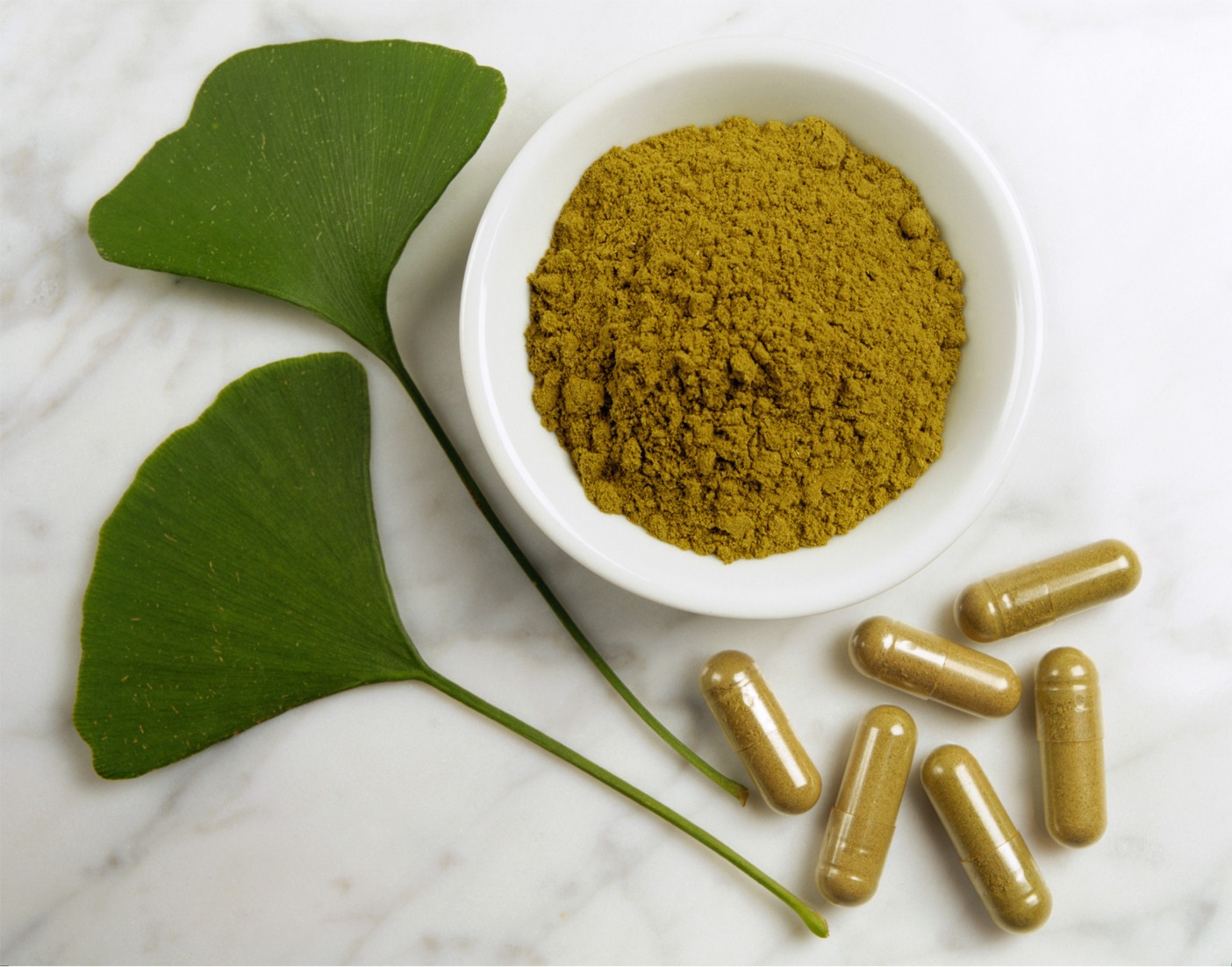 Alternative medicine outlets have also started selling Ayurvedic herbs powder that can be taken as capsules or be sprinkled on food. The validity of such healing herbs in powdered form is often contested, but some claim that their healing powers have worked just the same as other Ayurvedic herb formulations, making them popular alternatives to traditional medicine.
In the Ayurvedic diet, powdered herbs are usually used for dietary and nutritional purposes. The herbal powdered mixture is used to purify blood and to improve digestion as needed. Many Ayurvedic practitioners use some kind of herbal powder to prevent and treat inflammation with some cases of helping the immune system as well.
A blend of several kinds of herbs and spices that make up a powdered mixture is called Churna. Churna can either be used for culinary, beauty of medical purposes. Common churna ingredients usually include cinnamon, coriander, dried ground ginger, fennel and turmeric.
Powdered herbs are produced by a number of procedures. First, the herbs are processed in a dry blend, but some go through a wet mixing instead, depending on the physical makeup of the herbs to be powdered. A combining process of base powder and proteins or fats is then prepared. This then becomes the Ayurvedic herbs powder that people make use of. After this process, the base is usually mixed with carbohydrates, minerals and vitamins if the powdered formula is to be used in herbal supplements.
Another form of churna is garlic powder, which is an herb preparation that has been used as both food and medicine for centuries. Many praise garlic for its medicinal properties and that has dated back to the times of the Ancient Egyptians, Greeks and Indians. Although raw garlic and garlic extract seem to carry the most benefits, garlic cloves can be ground up into a powder form to be sprinkled over food or to be taken as a capsule supplement.
Arrowroot powder comes from the starchy tubers of perennial herbs such as Maranta arundinacea. Many have claimed that arrowroot can cure arrow wounds, hence its name. Aside from being used to thicken food, the powder is used for people with stomach and gastrointestinal problems such as diarrhea. It can also be applied directly to the skin to soothe irritated spots.
Created from the Aloe Vera plant, Aloe Vera powder contains healing properties to soothe cuts, burns and blisters. It also contains relief symptoms for genital herpes. For this reason, Aloe is used in many skin products such as lotions, creams and sunscreen. The powdered form of Aloe Vera is created by dehydrating the aloe gel, which is typically mixed with water to create a soothing Aloe cream.
Grinding dried herbs into powder helps reduce the size of the herbs and can help release more of their favor and nutritional value. By making Ayurvedic herbs powder, no amount of herbal material will be put to waste, thus providing the full effect of its medical significance.
Why Buy Ayurvedic Herbs?
Reasons to Buy Ayurvedic Herbs
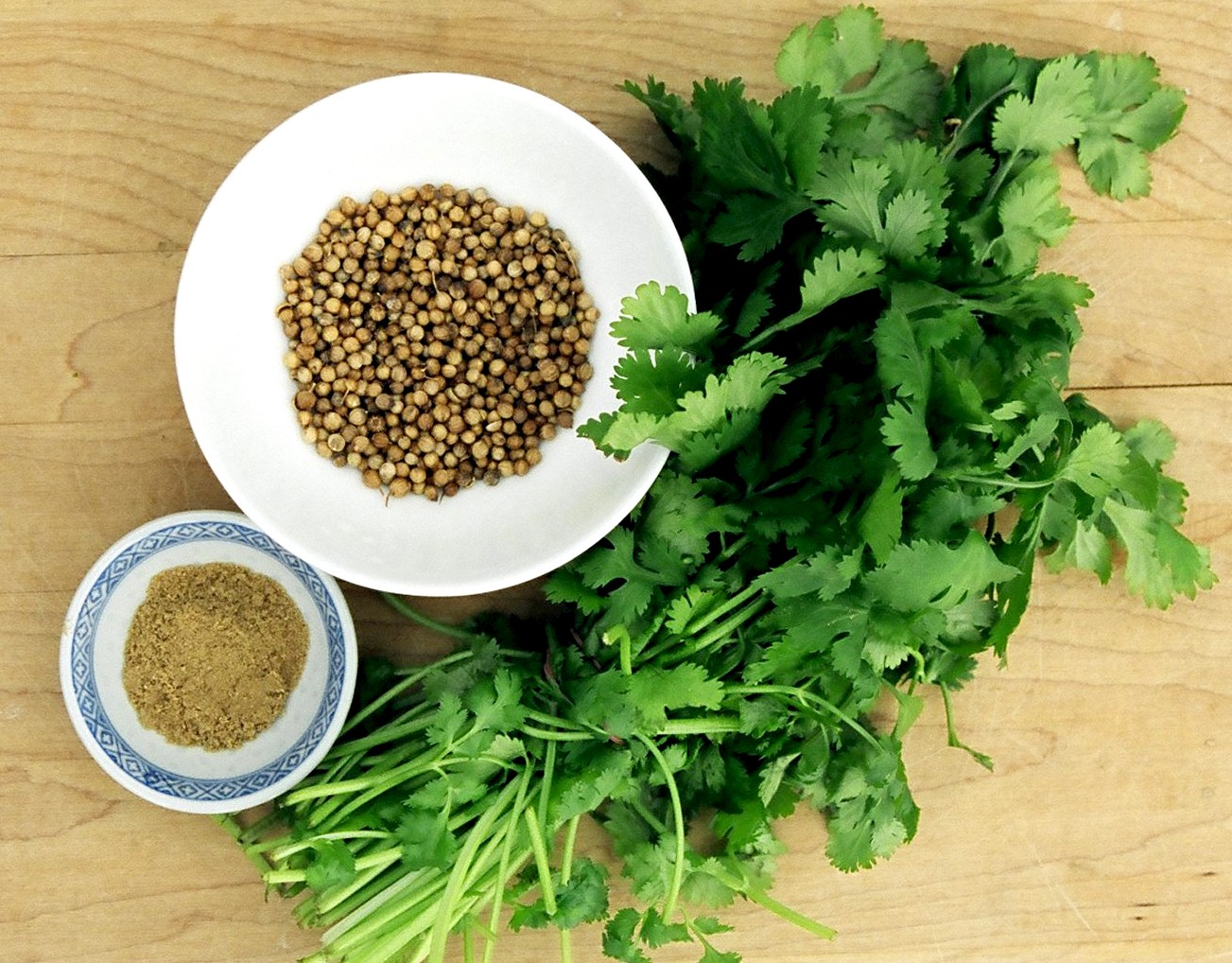 The power of Ayurveda has been underestimated by many who doubt the healing abilities of herbs. The approach of Ayurveda medicine is to focus on the renewal of the body’s system using ancient plant-based Ayurvedic medicine that follows Ayurvedic healing traditions. But all the botanical talk is not enough to convince some people that nature provides the best form of medicine. Although there may be countless reasons for people to doubt Ayurvedic medication, there are even more reasons for people to buy Ayurvedic herbs and give them a go.
Ayurvedic herbs are proven to be safe and effective when compared to alternative methods of treatment. People love what Ayurveda has to offer because Ayurvedic medicines are not based on modern medical drug therapies and surgical interventions. The medicine that Ayurvedic knowledge provides is a list of comprehensive remedies that can bypass traditional drug therapies.
Modern medical therapies have less to do with preventive measures while Ayurveda medicine puts emphasis on a man’s ability to prevent diseases. Ayurvedic remedies do not only cure the disease itself but also provide procedures on how to prevent such diseases and illnesses from transpiring.
Ayurvedic herbs are all-natural and uses the rhythms of nature as a guide to balanced living. As the Science of Life, Ayurveda restores the balance of an individual’s mind, body and spirit by use of meditation, herbal remedies, massage therapies, dietary changes, moderate exercise and lifestyle modifications.
The medicine that Ayurvedic practitioners recommend increases a person’s understanding of themselves. Ayurveda enlightens the body by use of such remedies. The balance of both the mind and body is then put on constant focus in Ayurveda.
Ayurveda seeks to develop total health. Despite making use of Ayurveda to cure a specific ailment, Ayurveda develops the overall well-being of a person for a totally healthy body. The Ayurvedic concept believes that a person should be structurally balanced to show immediate healing effects. A person that has a well-balanced body lessens the risks of getting diseases and ailments.
With such reasons, the next question would typically be where to buy Ayurvedic herbs. There are many reliable online shops on the Internet that provide herbs, products and supplements directly related to Ayurvedic medicine. Refrain from looking into cheap Ayurvedic herbs and know how to recognize trusted brands from online medical herbs suppliers. The least that an online shop can do is to refund your money if you are not satisfied with your purchase.
Ayurvedic medicine has a multitude of benefits that have proven its power for over thousands of years. Basically, many people opt to buy Ayurvedic herbs because Ayurveda deals with a much deeper basis and understanding of natural products in providing medication. For those looking for an alternative form of treatment, Ayurvedic medicine can definitely help a person attain a fuller, healthier and happier life.
Popular Ayurvedic Herbs
Ten Benefits of Turmeric
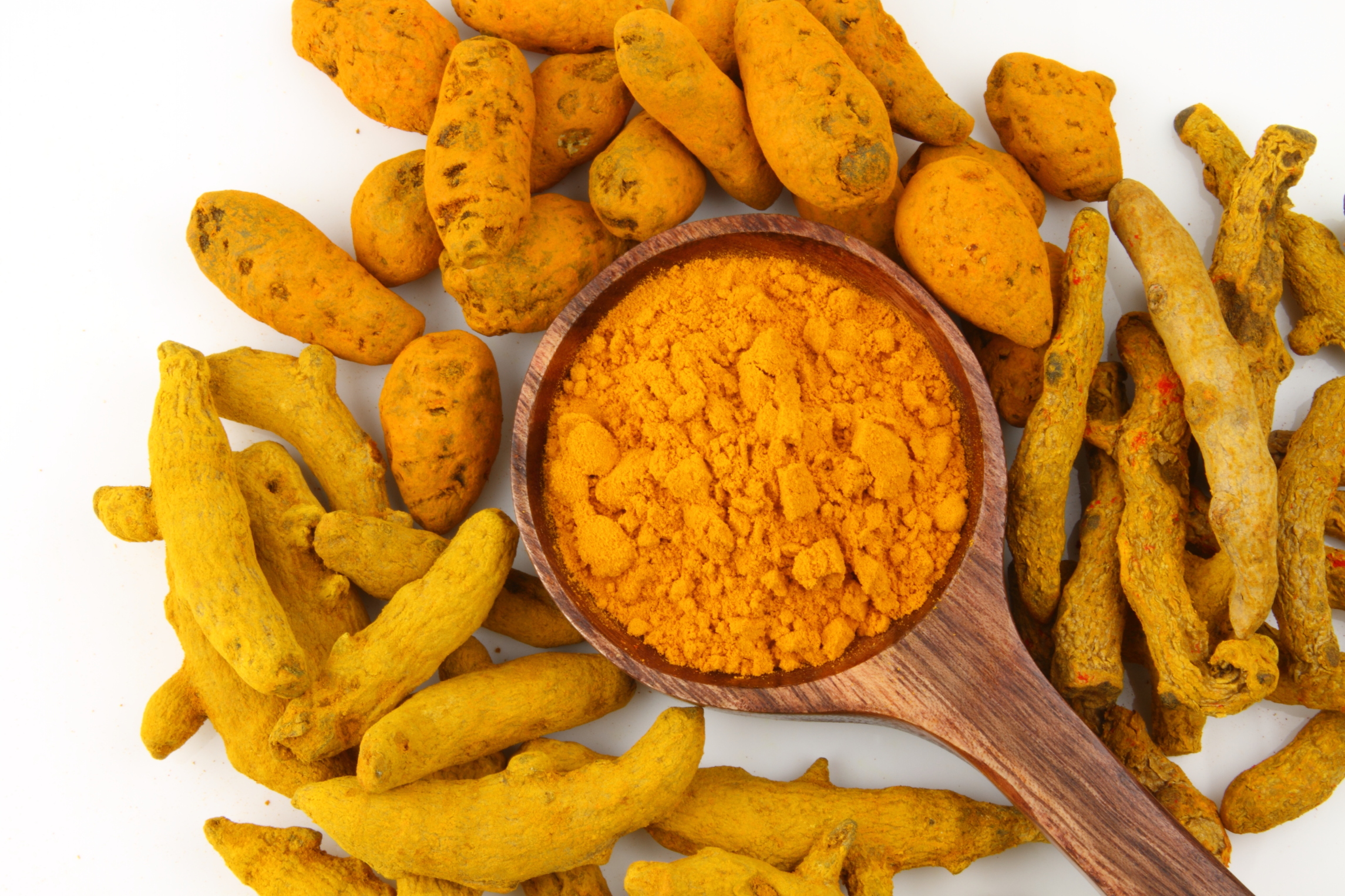 Turmeric is a strong and bitter spice that is very popular in India as a well-used seasoning in cooking. It comes from the dried root of the Curcumalonga, which is a plant included in the ginger family native to Southeast Asian countries. The distinctive yellow-orange spice often lends its flavors to curries and other ethnic dishes.
This herb-spice has been used for thousands of years as a flavoring, a dye and a medicinal herb. In India alone, the spice is traditionally used for liver and stomach ailments as well as to topically heal sores. In Ancient Indian medicine, the plant was an herb believed to have the ability to add glow and luster skin as well as bring vigor and vitality to the entire body.
Recent attention has been given to this herb due to its flu fighting potency. Circuminoids, its active ingredients, have been showed to have powerful antioxidant, anti-inflammatory and antibacterial properties amongst others.
With the many benefits that this herb provides, here is a compiled list of the top ten health returns that turmeric gives back:
- It has anti-inflammatory properties which make it a natural pain reliever. Laboratory tests demonstrate side by side the potency of the herb along with primary inflammatory agents and showed significant similar results. People with rheumatoid arthritis reported significant pain relief after being given the herb during clinical studies.
- It can fight off and ease the symptoms of flu with its natural preventative substance that also interferes with the flu’s ability to replicate itself.
- It has been the subject of some anti-cancer research studies that state that the herb may slow the growth of certain tumors.
- It can stimulate the production of gastric mucus that makes it useful for digestion and protection against ulcers.
- It heals wounds because of its antiseptic and analgesic properties that can be applied topically to wounds.
- The clinical studies have shown that the powder can be effective in treating bronchial asthma because of its anti-asthmatic properties.
- It contains cholesterol-reducing components that in return promote cardiovascular health. Studies also show that it lowers cholesterol and triglyceride levels and have even reported to reduce angina.
- It stabilizes sugar levels due to its hypoglycemic effect. When the spice is combined with other herbs, its anti-diabetic properties become even more pronounced.
- It can be useful in weight management because it stimulates the metabolism of fat. It can then be used to combat obesity and promote healthy weight loss.
- It has anti-oxidant properties that alleviate unstable oxygen molecules which are free radicals that are known to cause damage in cells that lead to aging and other diseases such as cancer.
The health benefits of turmeric are numerous, and because it is a natural food substance, this powdery spice can be safely put on food dishes or in the form of supplements. Research will continue to reveal ways on how this potent spice can be used to enhance the health and well-being of people who are in need. Without a doubt, this powdery spice has already made its mark in being one of the most helpful and delicious spices that nature provides.
How to Use Sesame for its Benefits
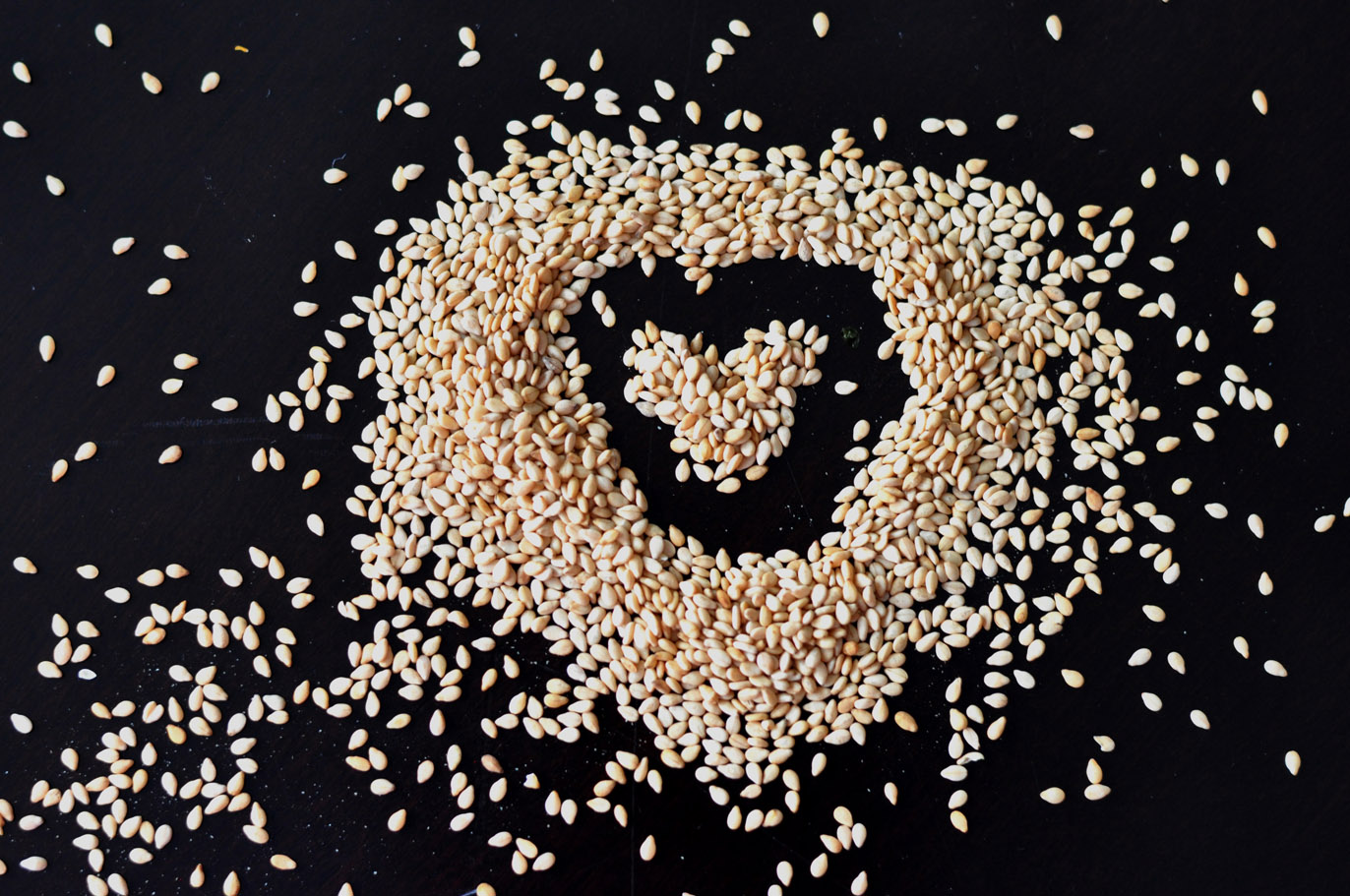 Sesame is a rainy season crop that usually differs in three kinds: the black, white and the red. The black variety has the best qualities that are packed with nutritional value. The white variety possesses just the right amount of qualities while the red variety does not have beneficial qualities at all. The most important feature of whatever variety is that it should contain all four important rasas or flavors: hot, sweet, bitter and pungent.
This herb is widely used during auspicious occasions, religious sacrifices, marriage ceremonies and rituals due to its religious and mythological importance. It is often included in the rituals of the gods and in the death ceremonies of departed ancestors because it is known to protect them from bad spirits and devils. This is one the reasons why it is still used during the auspicious day of Makara Sankranti or the Winder Solstice which is a Hindu Festival. The herb gives mental peace and also grants a long and healthy life as believed by the village people.
Apart from its religious importance, the other benefits of this herb are that it is used for many medicinal purposes, especially in Ayurvedic medicine. Regular consumption of it protects people from many diseases and general physical weaknesses. The body develops good and effective resistance strength compared to a normal body as they are given the capacity to fight against some diseases.
It is exceptionally beneficial to those with loose teeth or a person suffering from toothaches or pyorrhea. The plant’s oil should remain in the mouth for 10 to 15 minutes and gargling should be done right after. Another suggestion to instantly cure a toothache is to gargle with hot oil mixed with black cumin seeds and asa fetida.
Grinding 20 grams of it with 30 millimeters of goat’s milk is great to use for bleeding dysentery. Make sure to grind a few of the seeds mixed with jiggery powder and some honey to give to children for immediate relief. Another option is to grind the sesame with butter instead.
The seeds are also a great option to use on burns on the body to relieve patients from extreme pain and the burning sensation. Apply a pack of sesame, ghee and camphor on the affected area and feel instant relief. Use milk instead for an alternative mixture.
When it is consumed, it increases strength levels, which therefore removes impotency. Boil 15 grams of it in 10 grams of Gikharu or Briar milk to reduce weakness and impotency. Regular consumption of such herbal remedies for a month will undoubtedly cure people with such ailments.
Women who go though severe pain during their menstruation can use sesame to remove their discomforts. Cook 12 grams of it in 240 grams of water and let it reduce to one fourth of the quantity. Remove the solution from the flame and let it cool. Add jiggery to the syrup and consume it regularly every morning as it will cure irregular menstruation cycles and menstrual discomforts. Add jiggery or jaggery powder, barley powder and sesame for women who just gave child birth to make the bleeding stop significantly.
All About Poppy Seeds
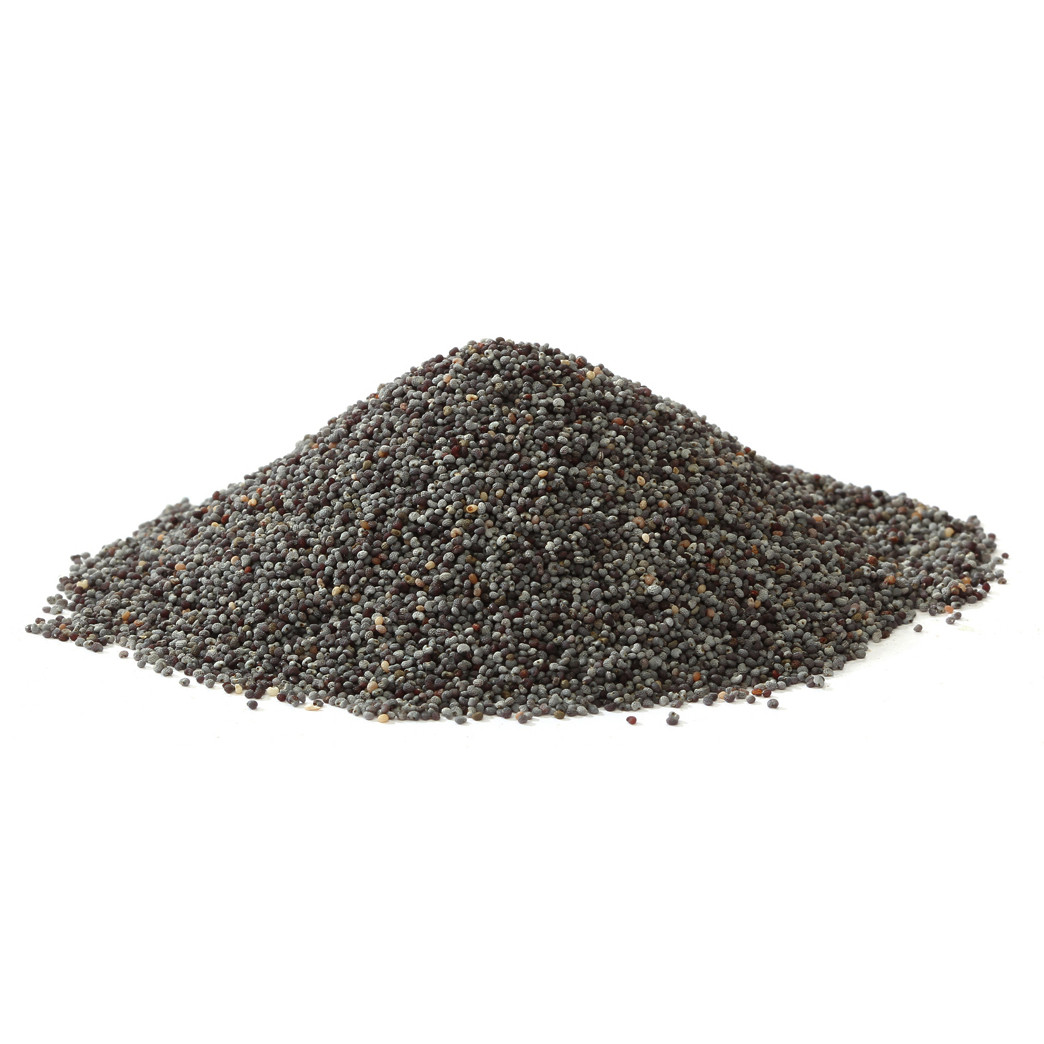 The opium poppy is a plant that bears red, purple, pink and white flowers on a central bulbous pod that is usually about 3 to 5 feet in height. It is widely grown in countries such as North America, South America, Europe and Asia while Turkey, Australia and India are the major producers of this plant. When the plant is scratched, the pod produces milk latex called opium which contains a variety of opiates that include morphine and codeine. Leaves of the plant alternate in a simple clasping appearance while the capsule-shaped fruit expands like a disc.
The seeds are obtained from its flowers which are also known as khus-khus. These seeds are used in various forms of diets that provide great taste and many health benefits. Here are some of the most alluring uses and health benefits of the plant:
- Adds flavor – The seeds add great flavor when used on bread, rolls, cakes and cookies.
- Grinded form – People across the globe make use of the ground form of the seeds to dish up various types of desserts.
- Sauces – The seeds can be used as a thickening agent for various kinds of sauces.
- Cooking – Seeds are great to add on vegetables, noodles and fishes for that added aroma and flavor.
- Opium – Famous for its properties, the seeds are storehouses for the drug which is essential in various herbal medicinal preparations. Unfortunately, some criminal minds use it as a narcotic drug which makes the illegitimate use of the seeds.
- Mineral Source – The plant’s seeds are a great source for minerals such as copper, iodine, magnetism, manganese and zinc.
- Enzymes – They help increase the enzymes in the body such as nuclease, lipase, emulsion and diastase.
- Fatty acids – The seeds are a great source of fatty acids most especially omega-3.
- Carbohydrates – The seeds provide essential carbohydrates that enhance energy levels to the human body for routine functions.
- Digestion – These seeds are useful remedies for digestive problems in the human body.
- Heart Disease – The presence of linoleic acid in the seeds tend to protect the body against heart attacks and other heart ailments.
- Breast Cancer – Oil from the seeds can be helpful to treat cancer.
Here is a brief description of the recommended doses to take advantage of its benefits:
- Consume half a tablespoon full of poppy seeds a day to help with asthma and cough ailments.
- Drink a 25 ml decoction of the seeds once a daily to help with nervous system disorders.
- Cure insomnia by eating a twice daily serving of 4gm of paste made up of the seeds.
- For diarrhea, take in a 3 to 4 gm of paste made up of the seeds twice daily as well.
- In case of abdominal pain, take the seeds in powered form along with ghee.
- Create a paste made up of the seeds and apply it over swelling and joint pains for relief.
Aside from its great source of tastefulness, poppy seeds contribute an extensive list of health advantages to the human body, which is why the seeds have remained useful for many centuries.
Myrrh Benefits, Uses and Side Effects
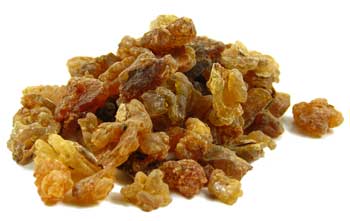 Myrrh is a reddish brown resinous material which comes from the dried sap of the Commiphora myrrh tree. This aromatic spiny shrub is bestowed with yellow-red flowers and pointed ellipsoid fruits. The name originated from the Arabic word murr, which means bitter. Originally native in the Northeastern regions of Africa particularly the Red Sea and parts of South West Asia, this substance has a number of biblical references that indicate its high value at the time. It was even one of gifts of the Three Wise Men brought in honor of the Baby Jesus.
In ancient civilizations, it was regarded as one of the most wonderful-smelling perfumes, especially in ancient Egypt. It was also used to treat skin conditions in the olden times such as cracked and wrinkled skin. The shrub was an important part in therapeutic medicine due to its healing capacity in the ancient times which consequently brought its place very near gold in those days. It was priced 5 times as much as frankincense as the time. It was also considered one of the most sacred ancient oils used in many embalming and religious ceremonies.
High quality myrrh can be determined through the clarity and darkness of the resin. But the best method to judge the good quality of it is by feeling the stickiness of the fragments that give out its fragrant aroma. The scents of the raw resin are pleasantly sharp and somewhat bitter, and can be regarded as stereotypically resinous. The darker the myrrh, the longer will the fragrance last.
When this substance is burned, it produces a heavy and bitter smoke with a tinge of vanilla sweetness. Unlike most resins, the shrub expands and blooms instead of melting when being burnt. Because the incense lasts long, the oils were used during funerals, cremations and even during the extraction of mummies from the pyramids during the time.
Aside from its aroma, the health benefits of this herb include anti-inflammatory, anti-microbial, anti-septic and anti-catarrhal properties. It also works as an expectorant that effectively relieves people from dry coughs.
In Ayurvedic medicine, myrrh is often used for its rejuvenating properties and used for circulatory issues, nervous systems disorders and uterine dysfunction. Its long history of external application is known to heal infected wounds, sinusitis, bronchial complaints, skin inflammations as well as inflammation in the mouth, gums and throat such as mouth ulcers, stomatitis and gingivitis.
Today, this herb can be widely found in toothpastes, mouthwashes and is used in dentistry as well. It is also popular for use in perfumes, soaps, cosmetics and is used as a flavoring agent in food and drinks.
Myrrh should strongly be avoided during pregnancy as it can cause uterine bleeding. Avoid myrrhs if the person has fevers or has a case of acute internal inflammation. Know that upon application of the herb onto the skin, there might be a burning feeling so always follow the dosage instructions when using. Smaller doses are tolerated well while larger does may cause fever, sweating, diarrhea, vomiting or burning feelings in the throat and bowels.
Benefits and Side Effects of Licorice
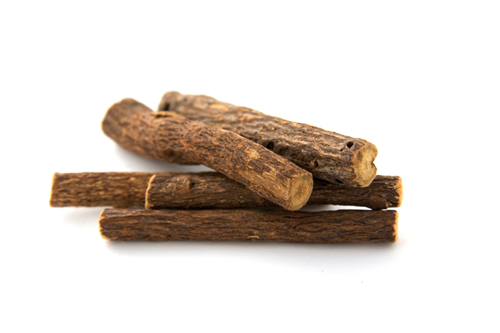
Licorice bark pretty much resembles good old cinnamon.
The licorice plant is a legume related to beans and peas and is prevalent in southern Europe and some parts of Asia. This herbaceous perennial plant grows to about a meter in height with pinnate leaves of about to 7 to 15 centimeters long of 9 to 17 leaflets. Flowers are only about a centimeter long and are purple to a pale whitish-blue in color. The plant is mostly grown traditionally in the southern regions of Europe and parts of Asia but today, the plant is also being cultivated in other parts of the world for commercial purposes. Besides being used to flavor confectionaries, beverages, jams, marmalade and tobacco, licorice is used to cure a number of diseases and ailments and is particularly known as an anti-viral agent that slows down the progression of the HIV infection.
The licorice root is actually one of the most popular herbal remedies in the world alongside the ginger root. Traditional Chinese medicine used this plant to treat stress-related symptoms by boosting the adrenal gland functions of the body. It is also widely used in hypoglycemic patients to detoxify the body and to purify the blood and liver.
The root also helps people with chronic fatigue syndromes where most of them have abnormally low blood pressure levels due to adrenal gland insufficiency. The root enables the glands to produce more hormone cortisol that encourages the kidney to retain more water and sodium that thereby regulates blood pressure.

Licorice is very popular in candy form these days.
Glycyrrhizin is an ingredient in the plant that counteracts free radicals in the body that cause inflammations and pain in the person. It’s best used to fight such conditions as lupus.
The herb is extremely useful for relieving dry cough and for people suffering from asthma. It also has anti-inflammatory properties that make it useful against gastrointestinal and digestive disorders, ulcers and celiac diseases. The root protects the gastrointestinal tract from being damaged by the stomach acids by increasing the stomach’s ability to produce protective mucus rather than eliminating the stomach acids itself. This then makes it beneficial for proper digestion.
Another property of the root is its ability to help the body conserve naturally produced steroids. Other health benefits of the
plant include treating skin conditions such as psoriasis, eczema, canker sores and rashes.
Admittedly, the roots have their own share of side effects. Since the plant can raise blood pressure levels, people with high blood pressure should not use it as well as people with a history of diabetes, heart diseases, stroke, kidney diseases and glaucoma. Furthermore, it also induces the conversion of testosterone hormones into estrogen, which means that people with estrogen sensitive conditions such as breast and uterine cancer should not use it. Men who suffer from erectile dysfunction should also avoid the root as it’s known to decrease testosterone levels.
While some people can tolerate 5 to 6 gram doses of standard licorice per day, high amounts should not be congested for more than two to three weeks without medical supervision. The recommended dose is a 300 milligram tablet taken three times a day before meals.
Guggul Down Your Cholesterol
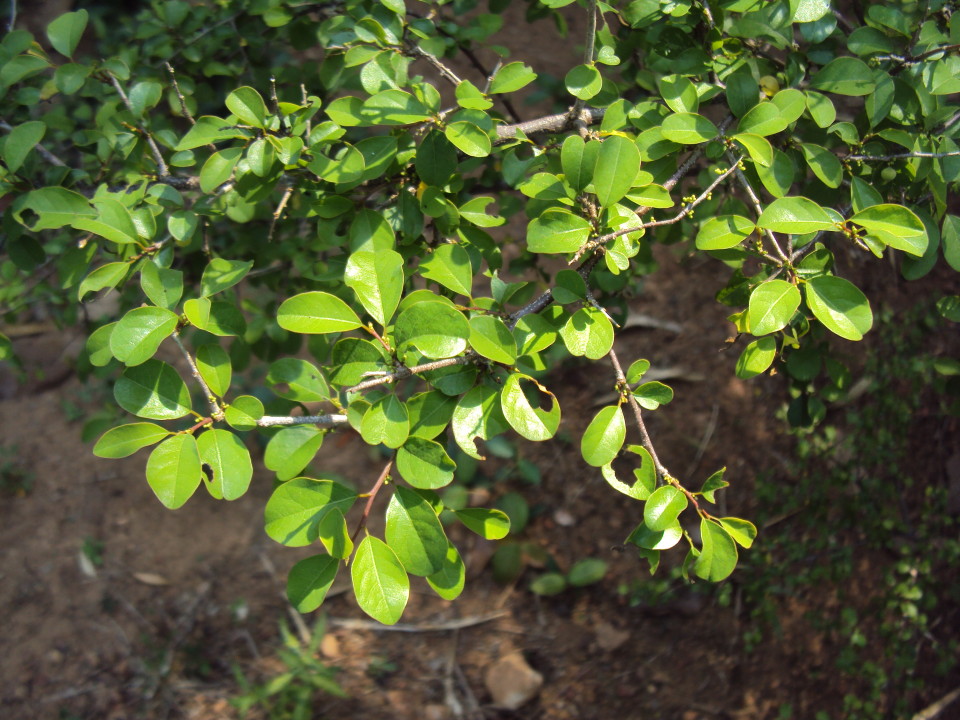 Back in the 1960s, Indian researches discovered an ancient Sanskrit medical text that apparently described the symptoms and treatment for high cholesterol. The texts also described the treatment provided by the plant commiphora mukul or Guggul, a small thorny plant that is heavily distributed in northern Indian regions. The shrub reaches to about 4 to 6 inches in height and bears thorns on its branches with leaves similar to those of Neem. Guggul and its gum are known to be the yellowish resin found inside the stem of the tree. The health benefits of this herb come in a wide variety, but the small plant’s most important use is its ability to lower cholesterol levels.
Guggulsterone is the active principle from the gum resin that received India’s regulatory approval back in 1987. Since then, it has been used to treat various conditions such as arthritis, artery diseases, obesity and lipid disorder. More recently, the plant was given approval to be a cholesterol-lowering drug. It has been proven to have hypolipidemic activity that is useful to treat cardiac diseases associated with serum cholesterol such as atherosclerosis. Guggulsterone is also believed to exert influence in increasing the production of good cholesterol in humans.
Compared to the cholesterol-lowering drugs commonly prescribed by modern medicine, guggul is said to be extremely safe. Statis that are known to block blood cholesterol reduction inhibit the HMG-CoA enzyme that leads to liver damage. Guggulipids produce the same therapeutic effect in the body without the associated risks. The guggulipids also cause the regression of existing plaque in the body. It has a mild inhibitory effect on platelet aggregation and fibrinolysis, which are two implications of stroke and embolic events.
The guggul herbs significantly lower serum triglycerides and LDL or the bad cholesterol in the body while raising HDL or the good cholesterol levels. It prevents bad cholesterol from oxidizing, which is a common preventive action against coronary artery diseases.
Aside from its cholesterol-lowering components, the plant has been proven to contribute to weight loss by enhancing the thyroid function in the body. It also is a natural anti-inflammatory agent that makes it useful for arthritic problems by reducing inflammation in the joints, which makes it especially good to use for the elderly. It is also known to stimulate white blood cells that in return strengthen the immune system by relieving cough and lung congestions and other respiratory problems. In conjunction to that, it eliminates dead tissues, wastes and toxins in the body. Today, nutritional supplements containing the gum are abundant in many Western societies for its many benefits.
In addition, it’s best to let your doctor know what kind of prescription medication you are currently on as interactions might occur when taking herbal supplements side by side. Individuals typically benefit from taking about 25 milligrams of the guggul extract three times a day but the dosage may vary depending on the severity of conditions. Taking the herbs to lower cholesterol levels is indeed beneficial but it’s always best to consult a physical before taking any kind of herbal supplement.
Benefits of Gotu Kola
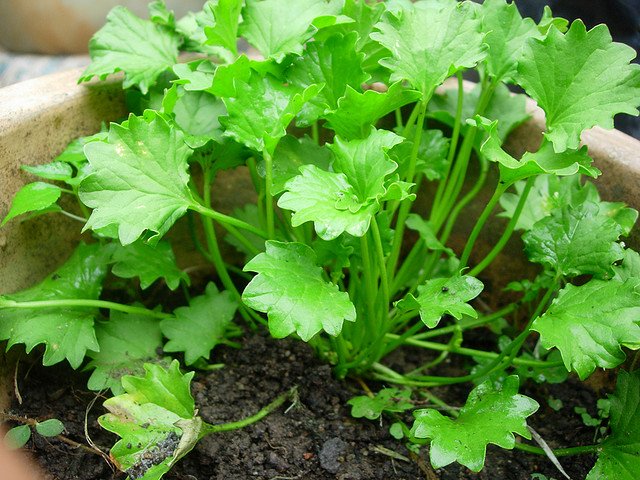 Gotu Kola is plant native to the country India and other similarly tropical countries. This pleasant plant changes its appearance depending on its growing conditions and environment. In shallow waters, the plant puts out floating roots and leaves it leaves on top of the water. In dry conditions, the plant puts out numerous small roots while the leaves remain thin and small. Stems of the plant are slender with creeping stolons that interconnect from one plant to the other. The rootstock consists of rhizomes that have a cream color covered in roots that grow downwards on the y-axis. Flowers of the plant then range from a pinkish to red shade of color.
This plant is known to be the most spiritual of all the herbs in India that are used to improve meditation. It is also regarded as the most important rejuvenating herb used in Ayurvedic Medicine. Sri Lankans noticed that elephants that are known for their longevity are usually seen munching on such plants. According to folklore, an ancient Chinese herbalist lived to over 200 years of age as a result of using Gotu Kola. The plant is often confused with the kola nut, which also possesses rejuvenating properties due to its caffeine content. But, in fact, Gotu Kola is not at all related to the kola nut and contains no caffeine.
With its long list of advantages, the plant is highly valued for its effectiveness in treating skin disorders such as leprosy. It also provides healing to wounds and psoriasis. It improves the adrenal gland as it cleans the blood to treat skin impurities, and inhibits scar formation, thus healing wounds. Some women have even used it to smooth out cellulites after giving birth.
The plant is believed to have an effect on the mind that can be used to treat depression. Its revitalizing effect on the brain and nervous system is known to increase attention span and concentration that can counteract the effects of premature aging. The plant has anti-bacterial, anti-viral, ati-ulcerogenic stimulants and diuretic properties and is also traditionally used as therapy for asthma, bronchitis, epilepsy, hepatitis, syphilis and ulcers.
Another interesting effect of the plant is its effectiveness against tuberculosis. Research on guinea pigs suggests that the animals that were injected with solutions coming from Gotu Kola had reduced quantities of tubercular lesions in the lungs, liver, nerve cells, spleen and spleen volume.
Modern research shows that the plant has characteristics that can treat high blood pressure and venous insufficiency and is used for opium detoxification. Its positive effect on the circulatory system includes improved blood flow while it strengthens the veins and capillaries. It also has been used to successfully treat leg cramps, phlebitis and abnormal tingling in the extremities.
The medicinal health benefits of gotu kola are exceptional but taking gotu kola for a period of longer than six weeks is not recommended. Physicians usually suggest a two-weak break after ingesting them for six weeks if long-term use of the plant is desired. Excess intake of the plant may cause headaches and lead to unconsciousness so it is always advisable to take precautionary measures after consuming it. Although the benefits of the plant remain, it is always best to take any medication according to physicians’ orders.
How to Choose Ginger Roots To Acquire Its Benefits
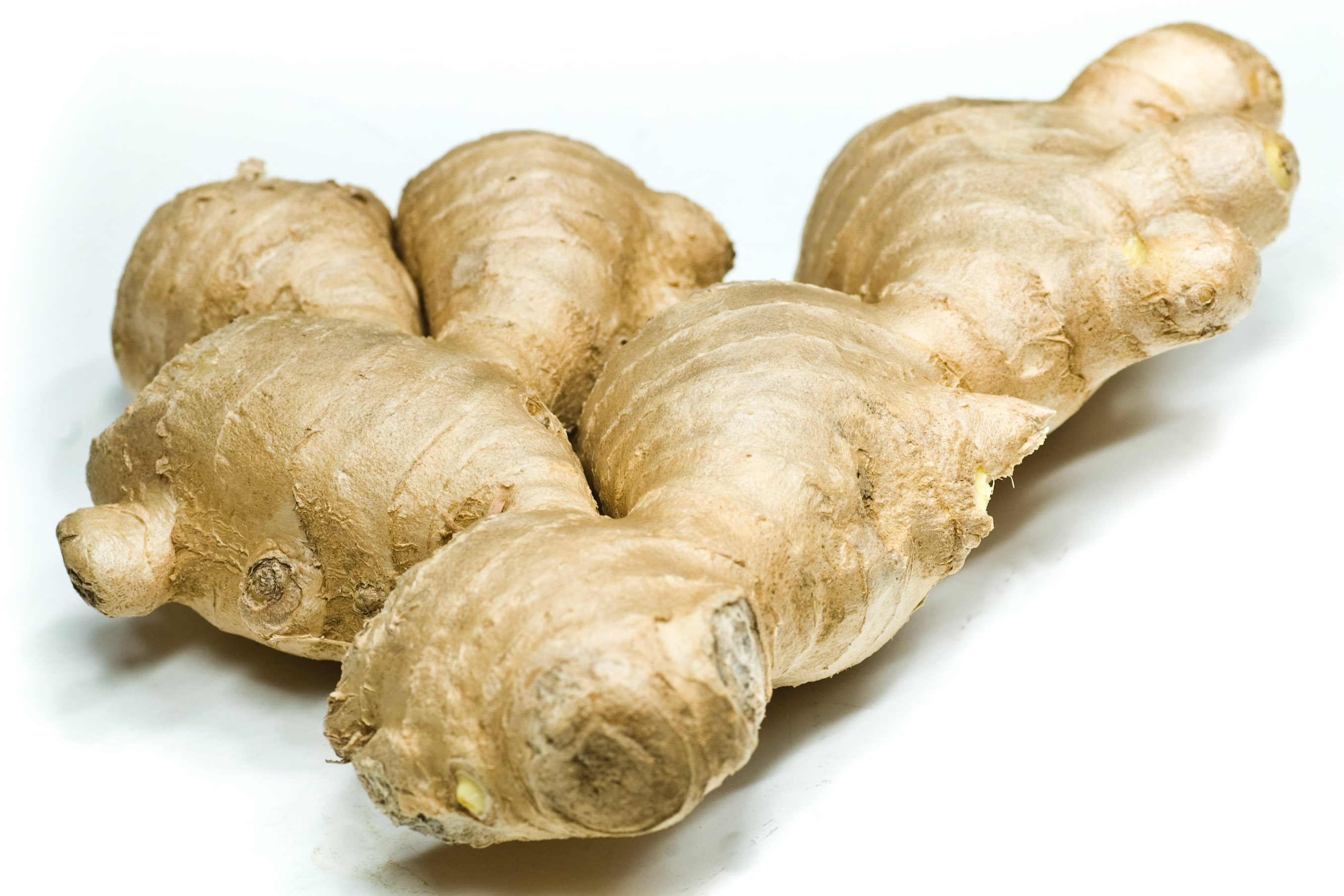 Ginger is a creeping herb with thick branching rhizomes and sturdy upright stems with sometimes pointed and lance-like leaves that go up to 15 to 30 centimeter in length. The root produces yellow-green flowers with a deep purple and yellow lip marking. They usually flourish in most parts of Southern Asia, the West Indies, Jamaica and Nigeria in the most fertile, moist and well-drained kinds of soil.
The root is one of the most popular herbal remedies for nausea and digestive problems such as upset stomachs, vomiting and diarrhea. Dry ginger powder when mixed with nutmeg powder, ghee and honey is given as medicine for those with loose bowel movements and stomach pain. Chewing ginger candy after heavy meals is also a good way to avoid indigestion and dyspepsia which include bloating, flatulence and heart burn. It is also a preventative for motion sickness.
This herb may also contribute to weight loss and can even improve metabolic heath. Studies show that it reduces body weight, body fat and even diabetic symptoms when tested on animal models. Research also shows that it contains thermogenic components that can take effect on metabolism. Despite these experiments proving promise, more research is necessary for these roots to be established in over-the-counter weight loss supplements.
Aside from its digestive and stomach aids, the root boosts circulation, lowers high blood pressure and keeps the blood thin in higher doses. It is also anti-viral, which makes it a great cold and flu remedy. Plus, the root is anti-inflammatory, which makes it much-used for joint problems.
The herb also proves to have effects on both sexes in their own ways. The root can help pregnant women who suffer from morning sickness and women who suffer from menstrual cramps and irregular menstrual cycles. On the other hand, the root can be used as a treatment for impotency and premature ejaculation for men. It improves blood circulation in the body which helps relax muscles proving it to be helpful in men’s sexual health.
Always opt to buy fresh herbs instead of dried ones as it not only will ensure the flavor will be better but also because fresh herbs have higher levels of gingerol, which is its active ingredient. When selecting ginger, make sure that the root is firm and smooth. They usually come in two forms, the young ones and the mature ones. The mature roots need to be peeled before use and is the more commonly seen in local markets. Local Asian markets are usually the only place to find young roots that do not require peeling before use.
This plant is also available in many forms such as candied, crystallized, dried and pickled. Dried versions are usually kept in a sealed glass container with an extended shelf life of up to a year when kept inside the refrigerator. Fresh variants, on the other hand, can be stored inside the refrigerator for up to three weeks. Unpeeled ones can be kept for up to six months in the freezer.
Ginger is packed with many uses either for medicinal or flavoring purposes. Spice up your health and recipes with a little of this plant and reap the benefits of the root that were discovered centuries ago.
Top Ten Benefits of Cumin
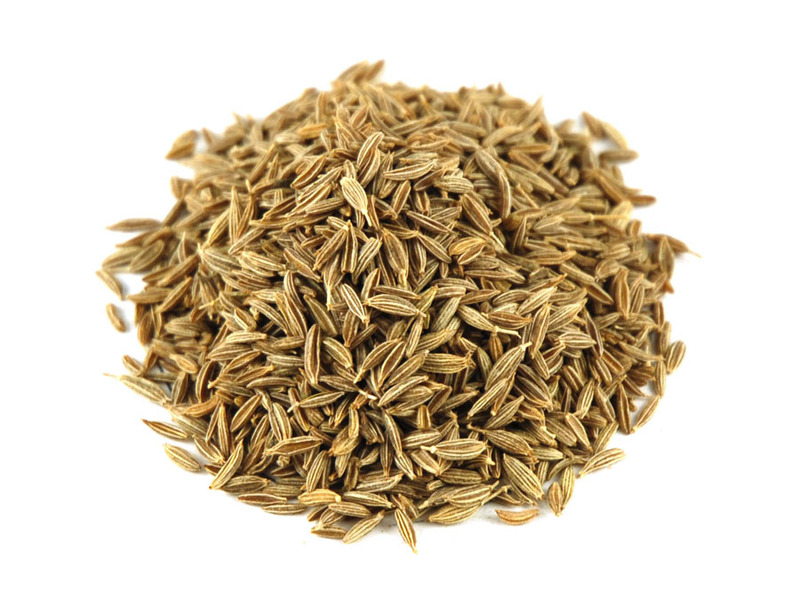 Cuminum Cyminum is an herb that grows to about a foot tall and is native to countries such as India, China, Mexico and the Mediterranean. Seeds of the plant are harvested by hand and are yellowish brown in color. Pink and white flowers blossom from the plant during the hot summers from a three-to four-month-long planting period. The seeds give out a peppery flavor that is widely used in Mexican dishes, Indian cuisines and Middle Eastern food. Some southern Chinese cooks also make use of cumin to give distinct flavors to their dishes. Cumin comes from the same family as caraway herbs, only with a stronger flavor and coarser texture.
Although quite ordinary in appearance, the health benefits of cumin are extraordinary. Ongoing research is expected to reveal even more benefits of the seeds, but for now, here are the top ten advantages given by cumin:
- Builds healthy blood – This herb is especially rich in iron, which makes a great natural supplement for blood health and an antidote for anemia. The seeds increase iron making the blood richer in hemoglobin which is needed to transport oxygen to all parts of the body.
- Strengthens the immune system – The seeds strengthen the body’s natural immunities because of its powerful antioxidant properties.
- Good for prenatal health – Supporting healthy prenatal development in pregnant women, the herb is also believed to make childbirth easier and also supply milk to nursing women. Because it is rich in iron, it also is a healthy herb for women during their menstrual cycles.
- Treatment for insomnia – When being combined with a ripe banana, the herbal medication can induce a peaceful sleep.
- Aid in memory loss – The herb improves memory and overall mental function, which can also speed recovery from amnesia.
- Improves digestive function – Cumin seeds relieve common digestive ailments such as flatulence, diarrhea, bloating, indigestion and nausea and is believed to stimulate the production of pancreatic enzymes.
- Treatment for cancer – Recent studies reveal that the herb slows the growth of breast and colon cancer cells by use of its strong radical scavenging activity. Scientists have found out that the herb contains anti-carcinogenic properties that are the key to preventing cancer.
- Helps fight colds and respiratory ailments – A tonic made out of the seeds has been traditionally used to treat colds, fever, coughs and sore throats.
- Improves kidney health – When the herb is combined with caraway seeds and black salt, it provides and effective treatment for renal colic.
- Promotes healthy metabolism – The seeds boost metabolic rate and help facilitate the absorption of the nutrients in the body.
Many herbal practitioners claim that cumin is one of nature’s best body tonics. Aside from its seeds and powdery form, cumin oil is used in western society to flavor desserts, condiments and alcoholic beverages. Some even use it as fragrance for perfumes, lotions and creams. With cumin being such a regular flavor put in our daily foods, people should be aware of the high-medical value that the seeds can provide. No matter if the seeds are used for a specific ailment to cure, the small plant definitely has great contributions as a tonic for the body.
How to Maximize the Benefits of Garlic
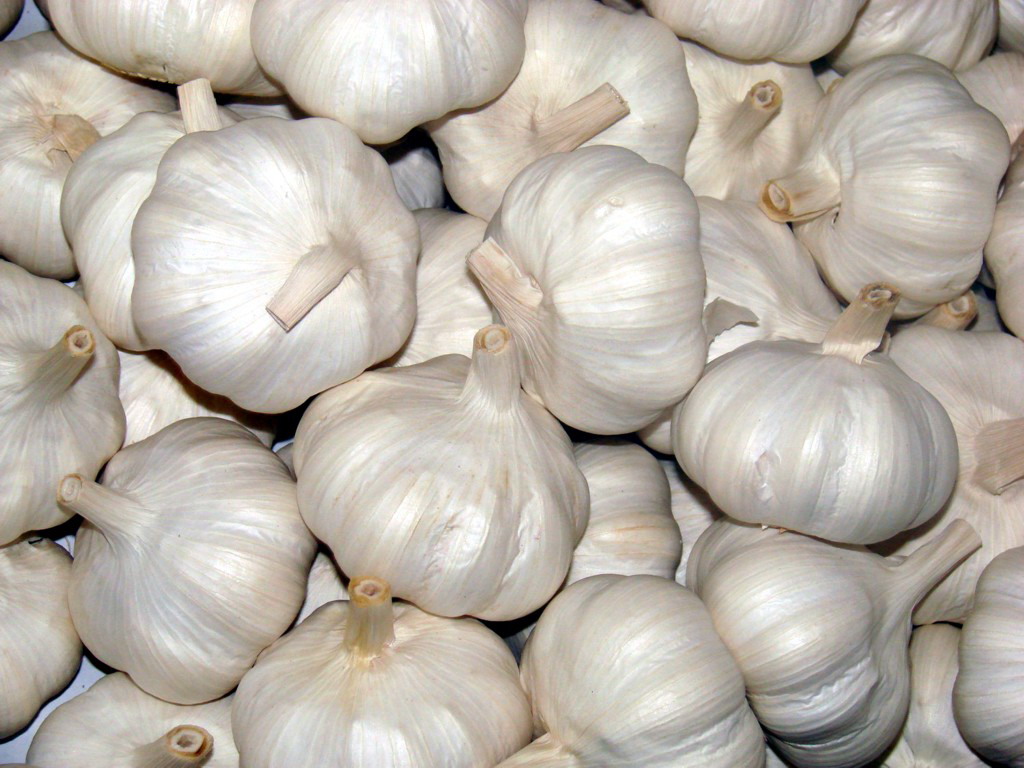 Garlic is the common name for those flavorful and powerfully-scented bulbs that are part of the lily family. Its popular use in Mediterranean cooking goes hand in hand with the popular benefits of the Mediterranean diet. The ancient Egyptians and Greeks were known to use it to treat everything from simple toothaches to leprosy. By the 1800s, research has already confirmed that garlic contained anti-bacterial components and was used to treat tuberculosis and to disinfect wounds. Due to the long history that this herb has claimed, many medicinal properties have already been attributed to the widely used herb.
Studies have shown that the herb gives out considerable protection against some kinds of cancer. Research says that two or more servings of this herb a week can help protect against colon cancer. It can also prevent breast cancer, lung cancer and prostate cancer. There are substances in the herb that not only protect the cell from cancer causing agents but can also stop the growth of cancer cells once they develop.
The cloves of this herb can also protect against cardio-vascular diseases such as atherosclerosis, hypertension and myocardial infarction. It also plays an important role in lowering blood pressure and reducing serum cholesterol levels. It’s known to be a wonderful infection healer that gives out strong anti-microbial activity to fight colds, stomach viruses, influenza, yeast, tuberculosis and ailments in the skin.
The power of garlic is mainly due to a compound called allicin, which is a sulphur-bearing component that gives the herb its strong aroma and taste. Research has been done to find out the correct way to prepare the herb to maximize the health benefits of the herb. The two types usually found in the supermarkets are the regular small ones and the elephant ones with larger cloves. The elephant ones unfortunately do not offer as many benefits compared to their smaller counterparts.
The herb should be cut, crushed or chewed in order to rupture its cells to release the allicin compounds. The cloves should be finely chopped in order to get the maximum amount of allicin possible. Pressing the cloves onto a fine paste can make it even more pungent. That then generates the most number of benefits. Basically, the stronger the smell of garlic once it’s prepared, the more health benefits it will provide.
Leave the herb for at least 5 to 10 minutes after mincing, crushing or chopping to allow the generation of allicin. It’s best to prepare the cloves first and let them sit while preparing other ingredients for a meal. Raw crushed cloves are said to be the most beneficial but cooking lightly can still preserve the health effects. Cooking them for more than 10 minutes or using the microwave to cook them completely strips off the benefits. The cloves should then be heated in the shortest and fastest amount of time possible.
With the many beneficial effects that garlic can provide, it is but natural for people to want to acquire the benefits of the herb to its full potential. Garlic is widely used and widely available around the globe so it is but wise to maximize its value the best that you can.
Coleus Forskohlii for Your Heart
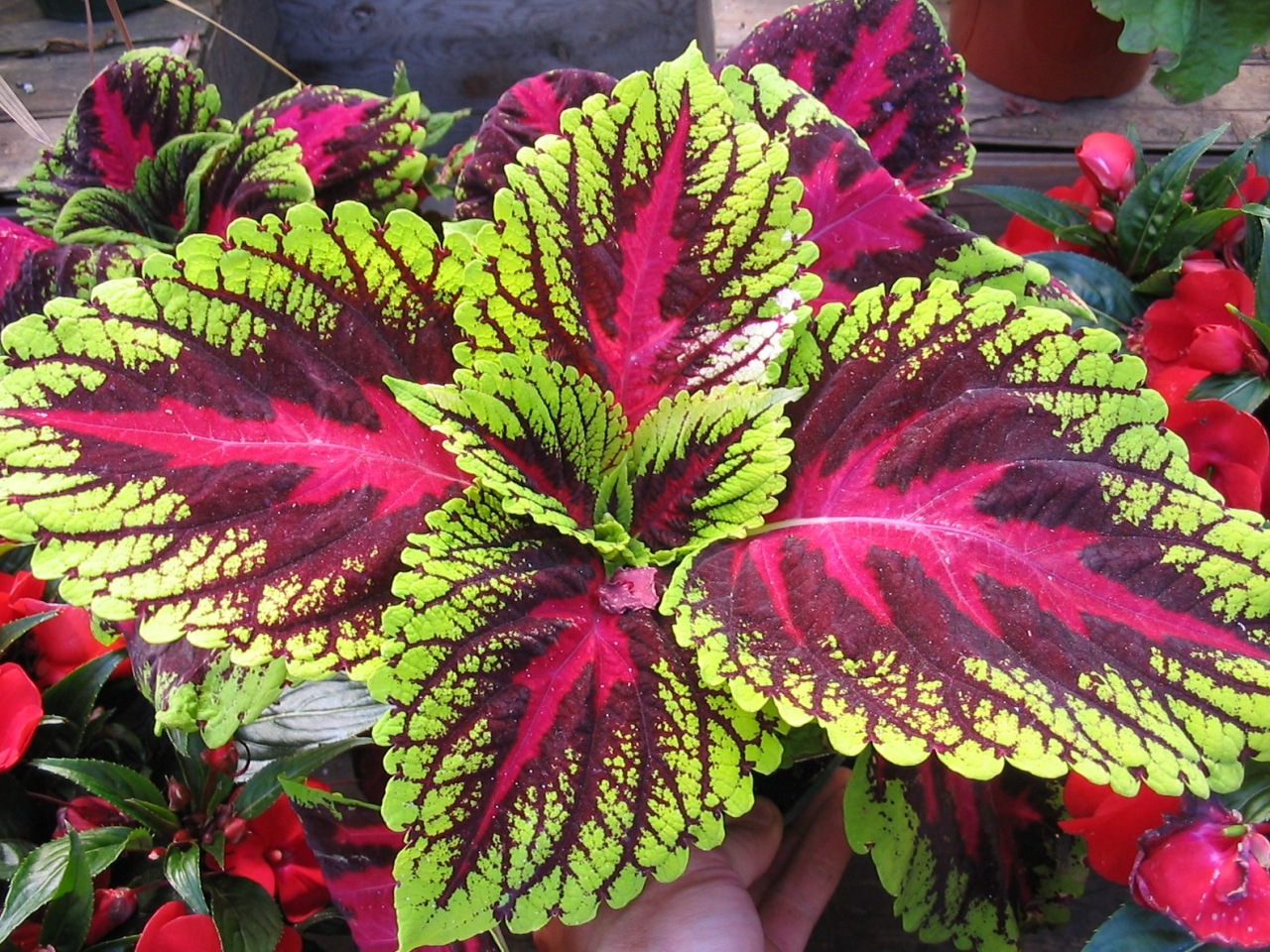 Coleus Forskohlii is a hard plant that grows along the dry slopes of the lower Himalayan regions and the plains of Uttar Pradesn in Northern India. It is also cultivated in other parts of India and Thailand, including some parts of South East Asia. Coleus is a member of the Lamiaceae family, more commonly known as the mint family. Mints have stems shaped in a square form and are usually fragrant due to the large amount of essential oils found in them. Coleus is a fleshy and perennial herb that has an aroma similar to that of camphor with its spiked flowers that are typical of plants of the mint family. Unlike other Lamiaceae herbs, the coleus’ fibrous root is the one used for medicinal purposes.
Although not too pleasing to the eye, Coleus has a long 3,000 year old history with Ayurvedic medicine that has been constantly mentioned in ancient Sanskrit texts as a tonic for a healthy heart and strong lungs. The herb increases stroke volume, which is the amount of blood being pumped into the heart. This in turn reduces the risk of blood clotting and lowers high blood pressure.
Today, the herb is not only used for cardiovascular ailments but is increasingly used to assist people who want to lose weight. The herb breaks down adipose tissue and prevents the production of fatty tissue. It also mildly stimulates metabolism in the body by escalating thyroid hormones and the emission of insulin. These therapeutic indicators are mainly due to the principal active compound called forskolin which is a diterpenoid. Coleus is the only known plant that directly stimulates enzymes and adenlylate cyclase that results to cellular cyclic AMP, which then boosts metalosim.
The Cellular Cyclic AMP is a second messenger system that carries out the complex and powerful effects of the hormones in the body. With such features in coleus, it then helps to reduce histamine and results to treatment in allergies. The herb is also a bronchodilator that gives an anti-histamine feature, making it useful to treat asthma. Other functions of the cellular cyclic AMP include improved conditions in hypothyroidism, psoriasis and eczema.
Along with all good herbal tonics, the herb also stimulates digestion and is known to assist in the absorption of nutrients in the small intestine. Coleus Forskohlii preparations are also used as eye drops to reduce the pressure with patients with glaucoma. Although there are no proven therapies for glaucoma, several treatments are beneficial and one of them is eye drops with coleus. An Indian pharmaceutical company is currently engaged in clinical trials for a forskohlii eye drop product.
The health benefits of Coleus Forskohlii are plenty but it should always be used with proper care and medication. Caution should always be practiced when dealing with any kind of medication like coleus to treat asthma or cardiac diseases. With any kind of medication, it is always best to consult a health care professional for the correct recommendation and prescription. Taking heart and blood pressure medications such as beta-blockers, blood thinners, clonidine and hydralazine should especially be noted by the physician if the patient plants to take coleus as an alternative or complimentary therapy for medication.
Boswellia as a Pain-Reliever
 Boswellia, also called Shallaki or Indian Frankincense, is one of the most potent anti-inflammatory herbs found in the dry, hilly areas of India. When the trunk of the tree is tapped, a gummy resin is extracted that is turned into a purified extract, which is then used for herbal preparations. The health benefits of this herb can be used alone and in combination of other herbs to treat rheumatoid arthritis, back pain and osteoarthritis whether applied internally or externally to the body. Many clinical trials and animal studies have confirmed that this herb provides anti-inflammatory and pain-relieving effects to those in need.
Indian Frankincense is an ushan virya in potency, which is why it acts on all the vata dosha disorders in Ayurveda. It possesses kashaya, tickt and madhur rasa, which suppress diseases and illnesses caused by vata and kapha doshas. Consequently, this is the reason why the herb is heavily counted in relieving pain as vata is known to be the cause behind every pain in the body.
This herb offers an alternative treatment to non-steroidal anti-inflammatory drugs with its anti-arthritis and anti-inflammatory features. Unlike drugs such as Ibuprofen, Aspirin, Celebrex, and Vioxx, the herb does not irritate the sensitive lining of the digestive tract. In addition, it also provides a great alternative to Prednisone, which is known to be a dangerous steroid. Many studies have also proven the effectiveness and safety of the herb as an anti-inflammatory agent.
In a study done on using boswellia as an herb to treat osteoarthritis, results show that the herb can reduce pain and improve physical functions in patients. The anti-arthritis activities of the herb may be caused by the reduction in both the pro-inflammatory modulators and the enzymatic degradation of the cartilage. The study also confirmed the safety of treatment of the alternative medicine.
Another clinical study showed significant suggestions that Indian Frankincense showed improved conditions on general pain, morning join stiffness, loss of grip strength, gout, skeletal muscle pain and difficulty performing routine jobs with men and women suffering from arthritis.
When it comes to internal benefits, the herb can be helpful for indigestion, constipation, intestinal disturbance, diarrhea, stomach disorders, urinary tract infections and even tastelessness. It also helps the liver function properly by enhancing its secretions such as bile juices. Other benefits of the herb are proven worthy when it comes to heart-related ailments and the herb is also in possession of anti-cancerous properties. Some even use it as an aphrodisiac agent that helps increase sperm count and quality.
The plant is also known as a wound-healer herb as it can be used to make any injury heal faster and efficiently. It can also increase vision in eyes. Aside from physical feature benefits, the plant can increase intelligence levels as well as mental concentration. Finally, aside from medical benefits, the plant is a great herb to use to eliminate foul odor in some areas.
The side effects from using boswellia are rare but some have reported cases of heartburns, diarrhea, nausea and skin rashes. There are also no known drug interactions or contradictions with the herb. The boswellia herb is extremely affordable and quite a quality product against inflammation and arthritis. Those who use it for an effective means for pain and inflammation should use it with care and according to a physician’s directions.
Ashwagandha as an Ayurvedic Herb
 Ashwagandha is also called the Indian Winter Cherry or Indian Ginseng, and it is widely used in Ayurveda medicine. The herb is a stout shrub that has a height of 170 centimeters. The erect branched-out plants seem to project a berry-like form bestowed with greenish or yellow flowers and red fruits. Grown in multiple parts of India such as Haryana, Gujarat, Madhya Pradesh, Maharashtra, Punjab, Rajasthan, Uttar Pradesh, the Indian winter cherry is also cultivated in Bangladesh, Nepal, Pakistan and Sri Lanka.
Health benefits of ashwagandha are plentiful but most of them revolve around stress-related complications such as arthritis, diabetes, general debility and hypertension. The herb is considered an adaptogen that helps the immune system fight any foreign invasions in the body. Many say that the plant is useful for upper respiratory tract infections and as relief in asthmatic conditions. It increases white blood cell count and prepares the body to produce antigens to fight off infections and allergies. The herb revitalizes the body by decreasing fatigue that is caused by weak body strength, which is largely due to the accumulation of negative energies in the body.
The herb can be used as a liver tonic and anti-inflammatory agent that can treat asthma, insomnia, senile dementia and ulcers. Because of its anti-inflammatory substance, it can reduce swelling and can restore blood supply at the same time. Incorporating such herbs into an Ayurvedic diet can prevent or decrease the risk of tumors in humans. It can also work as a rasayan that helps prevent early aging and can rejuvenate the entire body. The plant has excellent healing properties that can be widely used to heal wounds and injuries and can also increase the production of bone marrow.
The plant has vata-suppressant properties that help relieve stress and at the same time help nurture the nervous system. It helps the brain function better to be able to have greater ability to work. It highly improves mental concentration and mental ability to be able to gain and retain power. The plant has good penetrating powers that can be used to promote mental satisfaction and calmness and is significantly used against anxiety, cognitive and neurological disorder, inflammation and Parkinson’s disease.
Many would be happy to know that the plant is also known to restore male libido, cure impotence and can increase sperm quality and count. It is widely used in southern Asia as a powerful aphrodisiac. The plant enhances sexual powers and can promote long-lasting endurance. Aside from health benefits, the plant is used to thicken milk in India.
Many say to not take ashwagandha if the patient is suffering from congestion, is pregnant, or is breastfeeding since no formal studies have been performed to witness any possible side effects that might come out in such cases. Patients with hyperthyroidism should also not take the herb as studies suggest that it may raise thyroid hormone levels.
All in all, ashwagandha or winter cherry is an herb that improves physical energy and abilities, increases immunity to fight against colds and infections and can be used to increase sexual capacity and fertility. The plant is generally safe and should be consumed with the recommended dosages.
Aloe Vera Herb Benefits
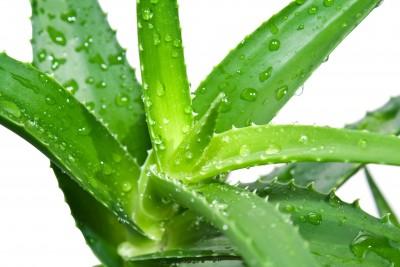 Aloe Vera is a very-short and sometimes stem-less plant that grows approximately 80-100 centimeters tall that is spread by offsets and root sprouts. The leaves are thick and fleshy of a green to grey-green color with a ragged margin. The plant produces around 25 leaves that form an attractive rosette appearance. Flowers of the plant are seen on a spike of up to 90 centimeters tall with each flower pendulous with a yellow tubular corolla of 2 to 3 centimeters long. The tissue found in the center of the Aloe leaf contains a gel that is known to be the Aloe gel or Aloe Vera gel.
The health benefits of Aloe Vera usually revolve around cases, disorders and inconveniences with the skin. Aloe gel is used to treat X-ray burns and dermatitis with remarkable abilities to heal wounds, burns and ulcers. It is known to be extremely beneficial for the skin as it prevents the growth of acne and is used as a beauty product to boost skin growth. Oral intake and topical dressings of Aloe encourage the healing of wounds, burns or scalds on the skin. It can also speed the convalescing period post-recovery. The gel is widely used on insect bites, rashes, blisters, sores, herpes, athlete’s foot, urticaria, poison ivy, vaginal infections, sties, conjunctivitis, allergic reactions and dry skin. Topical use of the gel can be used on sunburns, frostbites, psoriases, shingles, warts, eczema, and even wrinkles from aging.
Some studies say that oral consumption of Aloe Vera can relieve conditions such as arthritis, heartburn, asthma and rheumatism pain. Other studies say that it has a positive effect in lowering blood sugar levels of people with diabetes and as a result of chemotherapy or radiation.
Other benefits say that the juice from the Aloe is tonic and used in amenorrhea, jaundice, atomic and piles. The acid found inside the Aloe Vera is an effective means of pain killer and can be used as an antiseptic that can kill mold, bacteria, viruses and fungus. Europeans are known to use Aloe as a digestion and laxative aid as it stops the bowel from absorbing water. This then speeds up the passage and volume of the bowel contents, and that results to a laxative effect.
Despite its list of advantages, Aloe may still have its share of cautionary measures such as the fact that oral intake of Aloe Vera supplements can result to abdominal cramps and diarrhea at times. Using Aloe Vera over a long period of time can also result to potassium, albuminuria, hematuria and fluid imbalances in the body. Studies show that it should not be consumed by pregnant women, women menstruating, breast-feeding and people with cases of inflamed intestinal disorder.
Aloe Vera is one of the known sources of Vitamin B12 that contains minerals vital to the growth process and healthy functions of a body’s system. Undoubtedly, the plant can help adults, children and even pets relieve themselves from inconveniences, but it should always be taken with caution and upon the advice of physicians.

@yourkefirsource
Giselle
Latest posts by Giselle (see all)
- The Magic of Damiana - July 15, 2015
- Baobab Cosmetics | An Increasing Market For The Cosmetic Industry - June 21, 2015
- Baobab | The New Super Tree - June 15, 2015

[…] Asian countries for its nutritional value and therapeutic effect. It is considered as one of the most therapeutic herbal teas and is believed to control diabetes and improve digestion. The bitter melon fruit, leaves, and […]