Post Contents
- 1 Getting To Know The Bitter Melon Plant
- 2 Health Benefits From The Bitter Melon Herb
- 3 Cooking With Bitter Melon
- 4 Buying Bitter Melon
Getting To Know The Bitter Melon Plant
Introduction To Bitter Melon
Things You Should Know About The Bitter Melon Plant
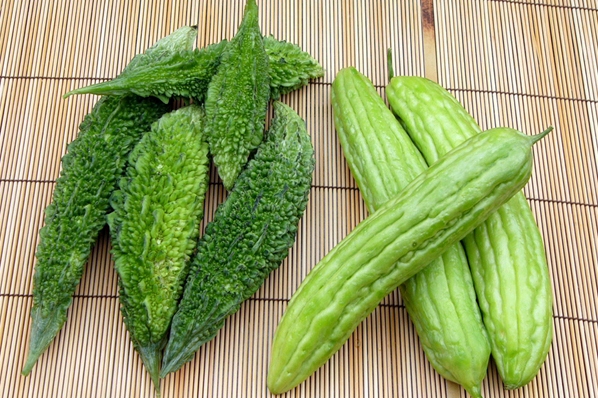
The bitter melon plant is a vine that grows only in winter-free countries. It is very popular in China, India, Southeast Asia, Africa and the Caribbean, and is now getting much attention in the West for its nutritional and therapeutic uses. The bitter melon is called many other names such as bitter gourd, balsam pear, ampalaya or wild cucumber.
Bitter melon plants have a lot to offer. The fruit, leaves and seeds are edible and very nutritious. The star of the show, of course, is the bitter melon fruit itself. It is a warty, elongated green gourd that is best eaten when unripe. It is the bitterest fruit in the world. What it lacks in appearance and taste, it makes up in nutrients.
For years and in many Asian countries, it has been traditionally used as a cure for diabetes mellitus and many other diseases. According to Dr. Jiming Ye of the Garvan Institute of Medical Research, “Practitioners of Chinese medicine have used (bitter melon fruit) for hundreds of years to good effect.” It contains hypoglycemic compound or plant insulin, charantin, insulin-like peptides, and alkaloids that lower the body’s blood sugar level.
Dr. Ye and a team of other scientists explained that bitter melon contents activate certain enzymes in the human body that help in transporting glucose into body tissues. Patients of Type 2 diabetes are unable to do this because they don’t produce enough insulin in their bodies. The bitter melon fruit can help remedy that problem.
Bitter melon is also believed to be very helpful against hypertension, cholera, dyspepsia, constipation, indigestion, fungal infections, liver problems, jaundice, malaria, chickenpox, measles, herpes simplex, dysentery, fever, painful menstruation, burns, scabies, skin problems, and eye problems. Some scientists believe it can cure breast cancer and inhibit HIV infection, although this requires more research.
A single melon is rich in folate, beta carotene, calcium, carbohydrates, copper, dietary fiber, iron, magnesium, manganese, Pantothenic Acid, phosphorus, potassium, protein, selenium, sodium, Vitamins A, B, C, E, K, and zinc.
 The melons may be eaten raw or cooked. Asians love it when it is most bitter. The Chinese, in particular, believe that the more bitter the vegetable, the more nutritious it is.
Inside the elongated green fruit are white bitter melon seeds. They are also edible and medicinal but typically not many people eat them because of the intensely bitter taste. Some say they can cause nausea and diarrhea to those who are not used to eating them. A bitter melon seed turns red and even bitterer when ripe, which is why many are cautioned against eating the seeds.
The bitter melon leaf is also edible and nutritional. The leaves, and even shoots, are eaten as greens or herb garnish. For diabetic patients, bitter melon leaves are a good substitute for spinach. In some Southeast Asian countries, bitter melon leaves are mixed with onions and tomatoes for a bitter, green vegetable salad.
Some Westerners have tried culturing bitter melons in their gardens. With proper care in a greenhouse, this is possible. In most cases, bitter melon plant may be bought from Asian farmer’s markets or online.
Author’s note: I’ve also been into fermenting food, more specifically discovering Kefir, another superfood. You might be interested to know about it, too. 🙂
What Is Bitter Melon And Why Does It Taste The Way It Does?
 What is bitter melon? It’s not called that name without reason. It is probably the most bitter of all fruits, and yet one of the most nutritious too. Its elongated shape and warty exterior also make this fruit distinct in appearance.
Technically, bitter melon is a fruit because it is that part of the plant that carries the seeds. But it is more easily considered a vegetable because of its color and taste. Also called bitter gourd and scientifically named “momordica charantia”, the bitter melon is Asian and may not be easily liked by the Western tongue. It is simply too bitter, even to an Asian who did not grow up eating it. It also grows in India, Africa and the Caribbean. It is a common item in most Asian stores around the United States.
Although it does turn yellow when ripe, it is best eaten when still green, crunchy and watery in texture. It is similar to chayote, cucumber or green bell pepper, except that it defeats all three of these when it comes to overpowering flavor. Why is it so bitter? The fruit’s high concentration of quinine makes it taste that way, almost inedible in some cases. But it is because of its bitter taste that it aids digestion. It is also because of its extremely bitter taste that it is regarded as medicinal in many countries around the world. It is used in a number of concoctions and is believed to be the key to eternal youth.
This odd-looking fruit is rich in iron, vitamins, phosphorous and fiber. It has more beta carotene than broccoli, more calcium than spinach and more potassium than banana. Not only that, it can fight off tumor and malaria, and treat dyspepsia and constipation. Although requiring more studies and scientific proof, bitter melon may be used to inhibit cancer and HIV infection.
In some parts of the world, bitter melon is used to treat chickenpox, measles, herpes simplex, dysentery, fever, painful menstruation, burns, scabies and other skin problems.
But what exactly is in a bitter melon?
For every 100 grams, a boiled bitter melon contains carbohydrates (4.32 g), sugar (1.95 g), protein (0.84 g), water (93.95 g), calcium (1 mg), iron (0.38 mg), sodium (6 mg) and zinc (0.77 mg), as well as Vitamins A, B, C, E and K.
Who would want to eat something as bitter?
Other than those who believe in bitter melon health benefits including the ability to treat the many illnesses earlier mentioned, people who have eased into making the bitter melon a part of their regular cuisine actually eat it for its bitterness. It is deliciously bitter as it is surprisingly nutritious. What is bitter melon, then, but a curious product of nature, to be enjoyed and marveled at alike for its balance of good (the amazing nutrition within it) and bad (the wicked bitterness of its flavor)?
Best Way Of Growing Bitter Melon
 The bitter melon is Asian, and growing it in cold countries such as the United States can be a challenge. Nevertheless, the bitter melon seed is now widely distributed in the US. Anyone wanting to culture this green and warty fruit can purchase seeds from Asian grocery stores or the Internet. Ordering them online is easy, too.
The warty, prune-like seed has an outer coating. Soak the seeds for a day or two until they swell and the coating is easily removed. Plant the seed about 3/4-inch deep into moist soil, to mimic the humidity of Asian gardens. Although planting bitter melon in any type of soil is fine, it is best done in a well-drained sandy loam soil that is rich in organic matter.
Put up trellis and fencing made from any sturdy material to allow this fast-growing melon to grow up to 2 meters high. You can set up a tunnel or arch-type structure that is about 2 meters high and with stakes about 1.5 meters apart. This allows the vine to freely creep up and in whatever direction. You may also use horizontal wires or strings.
After a week or less than a week, seedlings will begin to appear when planted in warm soil. Water them thoroughly every morning. It is necessary to keep the soil moist but not wet or flooded. After 15-20 days, the seedlings may be transplanted to a wider field if desired.
After a month, you will see elongated green melons hanging straight down from their stalk.
After 45 to 55 days, you will see yellow and red flowers beginning to bloom. Bitter melon flowers open at sunrise and are only viable for a day. Male and female bitter gourd flowers appear separately on one and the same plant.
While bitter melons thrive all year round in frost-free tropical countries, the plant performs only annually in cooler countries. It enjoys bathing in warm environments, about 24-27°C. In its natural humid habitat, the bitter melon easily grows in backyard gardens after direct seeding as would grasses and weeds. In cooler countries, direct seeding is best done inside a greenhouse to ensure good germination.
Bitter melon vines can grow sideways but these side branches are not necessary. Prune away lateral branches to promote the ones that crawl upwards. These are called the runners, and they are the ones that produce the melons. Cut the tip of the runner to stimulate cropping, and leave just 4 to 6 lateral branches to allow the vine to hold on to the trellis.
After 90 days from planting, it is time to enjoy the harvest. A seasoned gardener knows just when to harvest the melons – not too large or too bitter (although Asian growers love them when more bitter). A bitter melon is marketable both as vegetable and medicinal plant when its exterior has turned light green, thick and juicy, and when the seeds inside are soft and white. Nip them by the fruit stalk. Once enjoyed both as medicine and nutritious food, you won’t regret all the work you’ve put into growing bitter melon in your part of the world.
Get Healthy | Discovering Bitter Melon Nutrition Facts
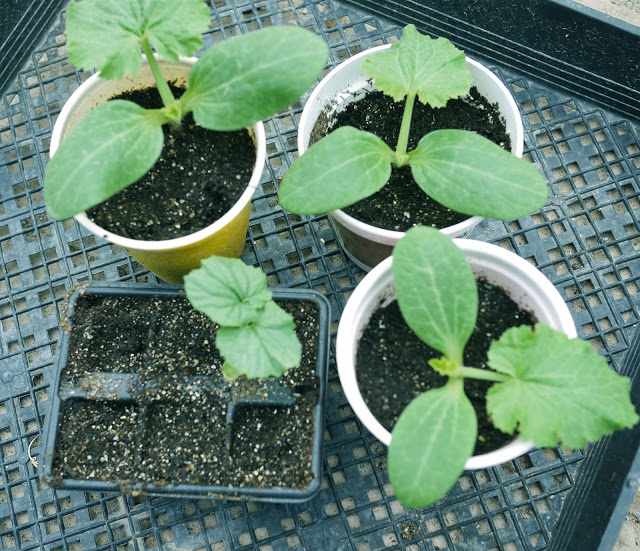
This roughly warty, green tropical fruit is well-loved in Asia, Africa and the Caribbean. Vegetable eaters have grown to love its bitter flavor. They also eat the tip of the vine and leaves, which are as bitter. But there is a sweet side to the bitter melon. It is very nutritious and medicinal.
To start with, a hundred grams of bitter melon contains calcium (19 mg), carbohydrates (4 g), copper (0.034 mg), dietary fiber (3 g), dietary folate (72 mcg), folate (72 mcg), food folate (5.6 mcg), iron (0.43 mg), magnesium (17 mg), manganese (0.089 mg), Pantothenic Acid (0.212 mcg), phosphorus (31 mg), potassium ( 296 mg), protein (1 g), selenium (0.2 mcg), sodium (5 mg), Vitamins A, B, C, E, K, and zinc (0.8 mg).
Also, according to the USDA National Nutrient database, 100 grams of bitter melon contain Energy (with nutritional value of 17 Kcal), total fat (with nutritional value of 0.17 g), niacin (0.400 mg), pyridoxine (0.043 g), Riboflavin (0.040 mg), and Thiamin (0.040 mg).
It is traditionally believed in many countries around the world that one of the bitter melon health benefits is that it can improve digestion and therefore treat constipation, indigestion and dyspepsia; it can improve circulation and therefore promote slimming and good health; it can rejuvenate skin and therefore treat skin eruptions, burns, hemorrhoids, and psoriasis; it can treat hypertension, prevent eye complications, and purify blood; and its being bitter has something to do with it.
While scientific research and claims have yet to support some of the traditional healing beliefs surrounding the bitter gourd, modern science is currently looking into the properties of bitter melons to potentially cure cancer and inhibit HIV infection. Some research is also saying that bitter melon leaf extracts have antibacterial properties that fight off bacteria that cause urinary tract infections and gastrointestinal problems.
The most popular nutritional value of this bitter fruit is that it can lower blood sugar levels. This it does due to its two most important contents: polypeptide-P and charantin. Charantin is a hypoglycemin agent that increases glucose uptake and the synthesis of glycogen in liver, muscle and adipose tissue cells. This is why bitter melon is said to effectively treat diabetes.
Until modern science approves it, bitter melon extracts and capsules should not be considered as stand-alone medicines. Diabetics should first consult their physicians when planning to include bitter gourd in their regimen. Still, they are an excellent supplement considering how many nutrients are packed in them. Although bitter and offensive to the taste buds, bitter melon nutrition facts make this odd vegetable desirable and sweet. Bitter is never the opposite of sweet or delicious. The bitterness of this vegetable is unique and flavorful on its own.
Different Forms And Ways Of The Bitter Melon Plant
Bitter Melon As Food
 Bitter melon is the most bitter of all fruits and vegetables. It is so bitter that aphids, caterpillars and insects don’t want to have anything to do with its shoots and leaves. You can never find a bunch of bitter melon leaves with any of these vermin. The bitter melon leaves make nutritious and delicious bitter melon soup.
To prepare a soup using bitter melon leaves simply boil the leaves until the water turns green. Add seasoning or garnish according to your taste. Make sure to wash the leaves thoroughly and soak in cold water before preparing your soup.
For a more delicious experience, try making stuffed bitter melon soup Thai-style.
Prepare the following ingredients: ½ cup of ground pork or spare ribs, 2 tablespoons of soy sauce, ½ teaspoon of salt, a pinch of ground pepper, one minced garlic clove, and of course, one bitter melon fruit.
Slice the bitter gourd crosswise to make 3 to 4 sections. Cut off and throw away the ends. Without breaking the melon’s green exterior, carefully push out the seeds and the white fluffy lining.
Mix the ground pork and minced garlic with salt and black pepper. Make sure to mix them well for an even flavor. Get your bitter melon sections and stuff them with the flavorful pork. Make sure not to overstuff to allow the bitter gourd to shrink when cooked.
Boil 4 to 5 cups of water, then add the stuffed bitter melon sections with soy sauce. Boil for half an hour or until the melons turn yellowish green and soft.
This stuffed bitter melon soup is perfect with steamed rice.
This soup preparation does not attempt to hide the unique bitterness of the melon but is complemented with the pork and seasoning.
In countries such as China, the Philippines, and Indonesia where bitter melon naturally grows, bitter melon is served cooked or raw. There is very little attempt to cover up the bitter flavor. In China, people believe that the more bitter the vegetable, the more nutritious it is. This easily makes bitter melon one of the favorites of the Chinese people.
In Southeast Asia, bitter melon is typically stir-fried, sautéed or simply mixed raw with other vegetables. This may not be as succulent to a Westerner’s tongue but with much getting used to, bitter melon becomes deliciously and interestingly bitter.
Generally, however, this wonder vegetable is simply too bitter for most. It is best served or packaged in Western countries in the form of tablets, pills, extracts, supplements, teas, juices and, of course, a savory bitter melon soup. If you want to look at bitter melon benefits, you should read this.
Bitter Melon As Drink
Bitter Melon Juice | The Most Nutritious Juice Of All
 Bitter melon juice is the most therapeutic juice of all because of the natural contents of the bitter melon fruit.
Juicing the bitter melon preserves all the benefits but not the repulsive bitter taste. While bitter melon tea, juice extracts and juices are available online and in grocery stores, making your own bitter melon juice is easy and even more nutritional. Remember to juice only the green melons. A bitter melon that has turned yellow, orange or red is too bitter and old.
Pick the best green melons and cut lengthwise to remove the seeds. Be careful not to include a seed since a single piece could make your juice far too bitter. Bitter gourd seeds may cause nausea and diarrhea, since the flavor is concentrated in them.
Chop the halved melons crosswise to make thin cubes. Soak in cold water for 30 minutes. Liquefy the cubes using a juicing machine. Before pouring into a container, strain the liquefied melons using cheesecloth to take away tiny solid bits. Squeeze the cloth to get more juice into your container or pitcher; store in the refrigerator for a few minutes or until cold to your liking.
If still too bitter for you, add sugar or honey to your self-made bitter gourd juice.
Consume all within a week and not more than three months. Two ounces of bitter melon juice a day are good for a person with diabetes.
Bitter melon is popular for its ability to control or manage diabetes mellitus. It contains natural insulin-like compounds. It triggers enzymes that activate muscle cells and tissues, which are rather weak due to diabetes.
Naturally grown in tropical and subtropical countries, the bitter melon is believed to have the ability to treat a number of illnesses, including breast cancer, cholera, and jaundice. It aids the digestive system, purifies blood and improves stamina. Modern scientific research is now studying the potential of bitter gourd to inhibit HIV infection.
While still best when eaten in its natural state, bitter melon is widely sold in Western countries only in Asian farm markets and online. Also, the extremely bitter flavor could be unpleasantly new to the Western taster’s tongue. This is why there are ready-made packs of bitter melon juice available online, as well as tea, capsule and other supplements.
You Should Try Dried Bitter Melon Tea
 Bitter melon is the most bitter fruit of all. Its alligator-skin-like green exterior makes you wonder if there is something exotically unique about this fruit-vegetable, or some sort of mystery concealed within that forbidding shell. It is oblong like a cucumber except for its bumps and warts. Inside, it is not as juicy as the cucumber but dry with a bunch of hard seeds. To make the most of its nutritional value, bitter melon is prepared, packaged and consumed in many different ways and one of them is the dried bitter melon tea.
Dried bitter melon tea is popular in India and other Asian countries for its nutritional value and therapeutic effect. It is considered as one of the most therapeutic herbal teas and is believed to control diabetes and improve digestion. The bitter melon fruit, leaves, and seeds may all be dried separately or in combination to make a tea.
Through the centuries, the Chinese believed that bitter melon tea promotes metabolism, detoxifies the body, and enhances the immune system. As early as the 1600’s, a respected Chinese physician, Li Shizhen, described bitter melon as “bitter in taste, non-toxic, expelling evil heat, relieving fatigue, and illuminating.”
What was traditionally believed about bitter melon in many areas around Asia is now supported by modern medical research. Scientists have identified hypoglycemic and insulin-like compounds in bitter melon that aids in metabolism and the transmission of glucose to cells and tissues. It is found to be helpful in maintaining both Type-1 and Type-2 cases of diabetes mellitus.
The only drawback is its bitter taste but you would get over it after a few meals. Some of the most popular and delicious Asian dishes include bitter melon. With all of these advantages to its consumption, any health-conscious individual would want to try out the bitter gourd for himself. One of the easiest ways to avail of the benefits would be by making a bitter melon tea. This “wonder” tea is rather simple to prepare, and here is how you do it:
Cut the bitter melon fruit crosswise to make thin slices. Dry the slices in the oven for 30 minutes until dark or golden brown, or until completely dried.
Store the dried bitter melon in a closed container to cool inside the refrigerator and to be used later to make dried bitter melon tea.
When desired, take out the dried slices and add 8 ounces of boiling water. Steep for 3 to 5 minutes. You may add green tea, lemon or honey to your liking.
While it is easy to prepare, there are all sorts of dried bitter melon varieties that are sold online and in Asian groceries. The bitter melon fruit, leaves, and seeds are also widely sold in Asian groceries and stores when in season.
This tea has been proven by many the world over as a very effective medicinal herbal drink. Hot bitter melon tea is used to calm an upset stomach, bloating, heartburn and constipation, but must not be taken by people with ulcer. When used to control diabetes, the dried bitter melon tea is best taken with an empty stomach.
Bitter Melon As Vitamins
Bitter Melon Fruit In A More Palatable Form | Bitter Melon Capsule
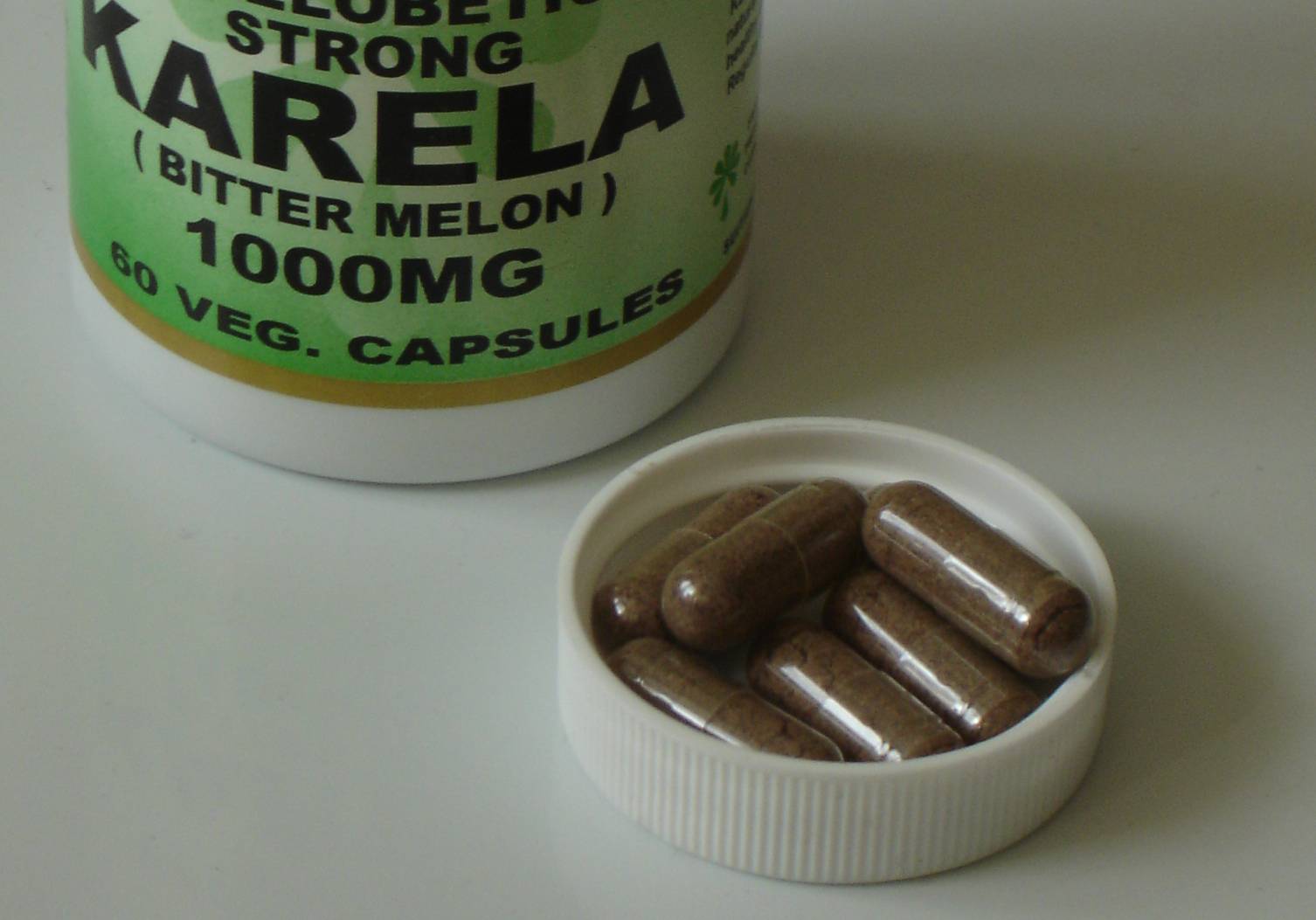 Bitter melon may be the most bitter of all vegetables but it is also the most nutritious. It has minerals and vitamins that could not be found together in common vegetables. It has twice the beta carotene found in broccoli, twice the calcium in spinach and twice the phosphorous in banana. It is rich in folate, iron, zinc, magnesium, phosphorous, dietary fiber and vitamins C, B1, B2, and B3. Yet all these are packaged in an intensely hard-to-swallow bitter flavor. But with a bitter melon capsule, the problem is solved. Bitter melon capsules and supplements provide all the nutrients and therapeutic benefits of bitter melon without the bitterness.
Bitter melon is useful and helpful to diabetic patients. The bitter vegetable is believed to treat diabetes mellitus by stimulating the production of insulin and inhibiting glucose to form or clog in the bloodstream. Bitter melon contains charantin, a hypoglycemic compound, and polypeptide P, an insulin-like compound, which both help lower blood sugar level.
The bitter melon vine thrives in the tropical and non-tropical climates of China, India, Southeast Asian countries, Africa and the Caribbean. People in these parts of the world have traditionally consumed bitter melon as a popular vegetable and medicinal food. Leaves are boiled in broths and soups, while the melons are cooked in different types of dishes or sometimes eaten raw with onions and tomatoes. It is also made into juices and tea. But not all locals enjoy the intensely bitter taste.
Bitter melon capsules, pills, tablets and supplements are now widely popularized and distributed around the world. One example is the Solaray bitter melon supplement. A single capsule has bitter melon extract with 75mg 15% charantin, gelatin (capsule) and cellulose. The recommended dosage is one capsule 2 times a day with a glass of water.
Although bitter melon capsules are natural and organic, they should not be taken without first consulting a physician. Bitter melon supplements could lower blood sugar levels and therefore the physician may adjust the prescribed doses of oral insulin.
Solaray is the manufacturer of the Bitter Melon Extract 500mg that is available online for $10.95 for every bottle of 30 capsules. While growing bitter melon vines in parts of the United States is a challenge, bitter melons are not difficult to find in Asian produce markets around the country. As a food supplement, the bitter melon capsule should not replace prescribed medicines. The US Food and Drug Administration labels herbal supplements in such a way that they should not be distributed in order to diagnose, treat, cure, or prevent any disease, but simply to “supplement” prescribed medicines.
Get Treatment And Nutrition From Bitter Melon Tablets
 When you say “vegetables”, people think tomatoes, beans or carrots. When you say “bitter melon”, people ask “what the heck is that?” Bitter melon is one of the least known vegetables in the West but it is now gaining popularity as more and more bitter melon tablets are being distributed in Western countries and made available online.
Bitter melon is an Asian fruit-vegetable that is true to its name, although it is not a melon. It is the most bitter of all vegetables. Also known as bitter gourd, balsam pear, or wild cucumber, it is a green elongated vegetable that looks like its cousin, the cucumber, except that its exterior is distinctively warty and bumpy. It is a hollow pod, with white seeds inside that turn red as they ripen.
Bitter melon tablets and supplements are perfect for people who don’t want the bitterness but are in need of the nutrition. Although the bitter melon leaves, shoots and seeds are also edible and nutritional, bitter melon tablets are made from the fruit.
Bitter melon extract, supplements and tablets also treat blood disorders, which include boils and itching. Bitter melon is said to also cure cholera, skin problems, eye problems, and respiratory problems, as well as increase one’s stamina, purify blood and boost the immune system. Modern research is studying the possibility of inhibiting HIV infection using the contents of bitter gourd.
Bitter melon tablets and other herbal supplements are preferred by diabetic patients over traditional medicine primarily because they are natural and organic. Doctors advise the use of supplements to, well, supplement traditional medicine instead of being used as stand-alone treatments. The debate, however, stands over the fact that modern medicines are processed and may contain toxins and other unnatural elements.
Although bitter melon tablets and other medicinal herbs are becoming more popularize from the debates and discussions, those who have eaten raw or cooked bitter melon suggest to eat the real thing or drink bitter melon juice. Tasting bitter gourd’s delicious bitterness is said to create a feeling of healing. Traditional Chinese belief says that the more bitter the vegetable, the more nutritious it is. Whether this part of the melon’s efficacy may be attributed to placebo or not, it surely cannot hurt to try it.
Taking In Bitter Melon
How To Eat Bitter Melon Without Spitting It Out Or Squirming
 Bitter melon or bitter gourd or Ampalaya is one of the most nutritious and medicinally rich vegetables. There is a problem, though. Its name, taste and physical appearance are not very inviting. There’s nothing in this vegetable’s immediate presentation that would make you desire to consume it. It looks like a warty cucumber with acne problem. It is so bitter that a person tasting it for the first time is sure to spit it out in a second. However, if you give this ugly vegetable a chance and learn how to eat bitter melon, you could end up having a healthier body and training your palate to appreciate exotic cuisine.
Ampalaya | The First Step
The first step to eating the most bitter of all vegetables is to trick yourself. Remind yourself that it is eaten more for its overall nutritional value than just the delight on your tongue. Bitter melon aids digestion, circulation, and treats diabetes and a number of infections. Laboratories are now studying this wonder vegetable and its supposed ability to treat cancer and inhibit HIV infection. These are all actually true, so don’t think that you are lying to yourself as you convince yourself to eating it. The trick just lies in the diversion of focus: away from the taste and towards the value.
Preparing bitter melon begins by picking and buying the best pods from the Asian produce markets. Bitter gourds have a varying degree of bitterness. The seasoned cook can pick out the best tasting kind of bitter melon. The best ones are colored green, pale green or greenish yellow. Don’t worry about the warts, bumps and ridges on the outside: they are natural. Orange bitter melons may look more mouth-watering but those are the rotten ones. Don’t buy them.
Now, it’s time to cook.

(Recipe: The Bitter Melon and Egg from Kasma Loha-unchit with copyright © 2001 Kasma Loha-unchit)
Do not peel off the green, ugly skin. That’s what you are going to eat! Slice the melon lengthwise to see white, hairy seeds. Remove the seeds then cut the halved pod crosswise into thin slices.
In most Asian countries that grow the bitter melon, people eat it raw, mixed with cut onions and tomatoes to make bitter melon “ensalada” (salad). For those who are used to eating it, the idea is not to lose or mask the bitterness, but to savor it and thereby preserve all its rich nutritional values. When preparing bitter melon for the first time, however, people would naturally like to cover the bitterness with all sorts of sumptuous recipes.
After making thin bitter melon slices, get two eggs and beat them in a bowl with 1 to 2 teaspoons of soy sauce with a dash of ground white pepper.
Heat your pan or wok until it begins to smoke before pouring oil or lard. Heat for 10 to 15 seconds and then sauté the bitter melon slices for about a minute. Sprinkle not more than 1 tablespoon of soy sauce and continue to sauté for a minute more or two, or until the melon slices have turned soft. Spread the melon slices over your pan just before pouring the beaten egg. Let the egg set for about half a minute before flipping it to cook the other side. Cook until the egg is golden light brown, and voila!
You have your very own Asian bitter melon/ ampalaya omelet, perfect with other dishes and rice.
Still not sure how to eat ampalaya? For now, you may want to hide the bitterness by soaking the melons in water and salt, and freezing them before cooking. Other recipes you might want to research on and try in your own kitchen are the Bitter Melon Curried in Mustard Sauce, Bitter Melon Stir-fry, or Stir-fried Lamb with Bitter Melon and Black Beans.
Take Bitter Melon Supplements For A Better You
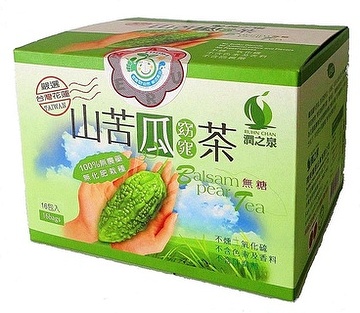
According to Asian traditions and supported by modern scientific research, the bitter melon fruit contains hypoglycemic compound or plant insulin that lowers blood sugar level. Traditionally, the Chinese believed that the bitterness of a vegetable is an indication of its nutritional and healing value, specifically in controlling diabetes mellitus. Several studies, including one from the American Association of Naturopathic Physicians, prove that this bitter fruit lowers blood sugar level just as insulin does.
Most diabetes supplements that are distributed in the United States are made from bitter melon extract. They are available online and a bottle of bitter melon supplement typically costs $12 to $15
Bitter melon dosage depends on the illness. One of the most irritating and discomforting diseases is piles disease. The main cause for piles is eating too much spicy food. Its common symptoms include poor appetite, pain in the anus and itching. To treat piles using bitter melon supplements, take 3 teaspoons of bitter melon juice or bitter melon leaf extract mixed with buttermilk every morning for a month or until the disease is cured. Also, a paste made from bitter gourd roots may be applied over the piles for comfort.
The bitter gourd also treats all sorts of blood disorders such as boils, psoriasis, scabies, ringworm and itches. Treat these discomforts by taking a cupful of bitter gourd juice with lime on an empty stomach. Take it every day for 4 to 6 months. This also applies to people with leprosy.
To treat respiratory disorders, take bitter gourd juice with honey every night for one month. This bitter melon dosage is good for bronchitis, asthma, colds, Pharyngitis and rhinitis. Definitely some good examples for bitter melon health benefits. You can really see how good it is.
Two teaspoons of bitter melon juice with onion juice, lime juice and 2 capsules of bitter melon supplement are good for treating cholera and diarrhea. It is also traditionally believed in some regions in Asia that the juice from bitter melon leaves could stop alcohol addiction and remove hangovers. Bitter melon juice detoxifies the liver. Recently, there have even been studies on the bitter gourd’s natural contents that say it could possibly heal different forms of cancer and inhibit HIV-AIDS infection. If this research sees positive results, the bitter melon shall truly be a godsend among other fruits and vegetables, even despite its taste.
Why Juicing Bitter Melon Is Worth It
 Extracting or juicing bitter melon and other medicinal plants, is a common practice in China. This way, people could avoid eating the melon’s green, warty exterior and simply down its juice with all the nutrients.
According to a number of medical groups, including the American Association of Naturopathic Physician, the most important benefit of bitter melon is that it can lower blood sugar level and can thus be used to treat diabetes. It contains hypoglycemic compound or plant insulin.
It is also believed to improve human digestion and circulation, and could therefore treat constipation, indigestion, dyspepsia, hypertension, and liver problems as well as purify blood, promote slimming and rejuvenate skin. It is a very good source of potassium, folate, calcium, Vitamin C, Vitamin K and zinc.
When juicing bitter melon, use only the green ones. The orange or yellowish ones are old and rotting.
Cut lengthwise and remove the seeds. Although the seeds have medicinal value and may be eaten by some, they contain toxins that may be dangerous to most, especially to children. Simply put, they taste bad and may cause nausea and diarrhea.
Chop the bitter melons into thin cubes and soak in water for half an hour. Process the cubes in “pulse” function or high speed. Pour the liquefied bitter melon cubes into a piece of cheesecloth to strain out tiny solid bits. Squeeze the cloth to make sure you get all the juice into the container, without the solid residues.
Pour the juice into a plastic or glass container for storing in a refrigerator. Once cold to your liking, you are ready for your deliciously bitter juice. You may add sugar or syrup to satisfy your taste buds a bit. Make sure to consume it within a week and definitely not more than three months. To get the full bitter melon health benefits, it is best to juice only the amount that you can consume immediately because raw juices can oxidize and lose most of their nutritional value in just 10 minutes.
To control diabetes, two ounces of fresh bitter melon juice a day is all that it takes. Downing more than that amount could cause abdominal pain or diarrhea. Keep in mind, though that it is just a supplement and should not stand alone in curing your diseases. Consult your physician and take the bitter melon juice along with your prescribed medicines. Juicing bitter melon and regularly taking it is very helpful but should not substitute for traditional medications.
10 Reasons Why You Should Take Bitter Melon Pills, Tablets And Supplements
 Bitter melon is popular for two reasons: its deliciously bitter taste, nutritional, bitter melon health benefits and it’s therapeutic value. More and more people are taking bitter melon pills, tablets and supplements, and you should, too. Here are 10 reasons why.
- Bitter melon is good for diabetic patients. Its hypoglycemic and natural insulin contents lower the blood sugar level. It also contains polypeptide P, which is another insulin-like compound.
- Bitter melon, also known as bitter gourd, wild cucumber or balsam pear, has all sorts of vitamins and minerals. It is rich in iron and contains magnesium, folate, zinc, manganese, phosphorous, dietary fiber and vitamins C, B1, B2, and B3. It has two times more potassium than banana, more beta-carotene than broccoli, and more calcium than spinach.
- Scientists now believe that bitter gourd can cure breast cancer. Scientists and researchers from Garvan Institute of Medical Research reported that bitter melon inhibits the growth of cancer cells and eventually kills them. Doctor Ratna B. Ray said, “Our findings suggest that bitter melon extract modulates several signal transduction pathways, which induces breast cancer cell death.” Another expert, Dr. Rajesh Agarwalprofessor in the Department of Pharmaceutical Sciences at the University of Colorado, Denver School of Pharmacy said, “This study may provide us with one more agent as an extract that could be used against breast cancer if additional studies hold true.”
- Because it aids digestion, bitter melon treats constipation, indigestion and dyspepsia.
- Because it improves circulation, bitter melon treats liver problems, boosts the immune system and promotes energy, stamina and good health.
- Because it rejuvenates the skin, bitter melon treats skin eruptions, burns, scabies, and psoriasis.
- It purifies blood and treats cholera, hypertension, fungal infections, chickenpox, measles, herpes simplex, dysentery, fever, painful menstruation, hemorrhoids, eye problems, and possibly HIV-AIDS.
- It is popular in China, India, Southeast Asia and the Caribbean, and in these countries, bitter melon has long been regarded as therapeutic and highly medicinal. In China, it is believed that a fruit is more nutritious when it is more bitter.
- The bitter melon plant offers everything that it has. Its fruit, leaves, shoots and seeds are all edible and nutritional. The bitter melon fruit looks like a cucumber but with warts, bumps and ridges. It turns yellow to orange when ripe, but the bitterness becomes even more intense. It is best eaten unripe. The leaves are used as greens and herbs in place of spinach. The seeds are very bitter and should not be eaten by anyone who is not used to eating it. They are said to cause nausea and vomiting.
- In some parts of the world, bitter melon is popular for its uniquely bitter flavor. The most popular cuisine in Japan, Vietnam, China, the Philippines, Indonesia, Thailand and India include bitter melon. It is popularly prepared stir-fried, sautéed or raw. The Okinawa cuisine in Japan is said to promote long life since people in Okinawa have long lives.
People from these countries would recommend eating the bitter melon fruit or leaves over bitter melon pills, tablets or supplements, which are now widely available in Western countries and online.
How To Make Your Own Bitter Melon Tea
 Bitter melon is the most bitter of all vegetables. Its bitterness is so distinct that you would know it is what you are eating even with your eyes closed. Its extreme bitterness is enough to make you close your eyes, in the first place. To help you down it in style and with ease, make your own delicious bitter melon tea.
Making your own cup of bitter melon tea from bitter melon leaves is easy.
Buy your bunch of leaves from Asian market groceries (where you can also buy bitter melon tea bags). Wash the leaves thoroughly and, if possible, check and clean each leaf. It is a guarantee, though, that bitter melon leaves are free from aphids, caterpillars and other insects as they seem to avoid the bitter taste.
Soak in cold water for just a few minutes.
Use 4 to 5 cups of water to boil the leaves in medium heat. Boil until water turns green. Add more water for more servings or to make it less bitter in flavor.
Pour into a cup and wait for a few minutes to cool. Once done, you can sit back and enjoy your own nutritious cup of bitter gourd tea.
If still too bitter for the Western tongue, a dash of lemon or honey could help. To the trained tongue, the more bitter the concoction, the better, especially for the Chinese who believe that bitter foods are healthy foods.
Health Benefits From The Bitter Melon Herb
Information On The Benefits
Identifying The Health Benefits Of Bitter Melon
 What is bitter melon good for? Why bother eating this strange-tasting ‘vegetable’? The most popular benefit is the bitter melon’s ability to lower blood sugar level. It has hypoglycemic compounds and natural insulin-like substances which are much needed by people with diabetes.
Diabetes mellitus disrupts the production of glucose, thereby weakening the muscles. It is a debilitating disease. Bitter melon contents activate enzymes that in turn activate cells, tissues and muscles. It has been traditionally known in many countries around the world that bitter melon is good for diabetic patients. The American Association of Naturopathic Physician also reports that bitter melon (also known as bitter gourd) lowers blood sugar level just like insulin. Furthermore, a study conducted by the Philippine Department of Health in 2007 determined that a daily dose of 100 mg of bitter melon is like taking the anti-diabetes drug, glibenclamide, which is taken twice a day.
Other bitter melon health benefits include boosting the immune system, improving digestion and detoxifying blood, which allows the bitter gourd to treat related illnesses such as psoriasis, piles, hemorrhage, indigestion, jaundice, and cholera. It is also believed to treat hypertension, breast cancer, and, recently, has been under research for its ability to possibly stop the spread of HIV-AIDS. It’s a tall order, although its confirmation would be a great boon to humanity.
Bitter gourd has long been popular in China, India and Southeast Asia as a medicinal plant. The Chinese believe that a vegetable is more nutritious when more bitter, so it is not short of fans in China, specifically. The bitter taste of this unique Asian vegetable is what makes it an effective digestive aid. It is used to treat dyspepsia and constipation. However, it is said to cause heartburn and ulcer.
The substance quinine is what’s producing the bitter taste. It is believed around Asia that quinine is useful in preventing and treating malaria. While this has also been a traditional belief in the Caribbean for centuries, it is just now recently confirmed by laboratory research that bitter melon has anti-malarial contents.
In other parts of the world, the bitter gourd is used to treat chicken pox, measles and herpes simplex. Other benefits of bitter gourd involve possible help for those suffering from cancer, dysentery, fever, burns, menstrual pains, scabies and other skin problems.
While there are so many health advantages of bitter gourd, people should be careful not to ingest its toxic seeds, although some people believe them to be edible. Children and pregnant women should avoid eating bitter melon seeds and too much of its fruits.
Although superlatively bitter, bitter melon is cooked and prepared in many creative ways to make it easier for people to ingest it. There are so many health benefits of bitter melon that people should try to eat it at least once.
Important Uses And Bitter Melon Health Benefits You Need To Know
 While this vegetable is not very pretty or delicious, the uses of bitter melon are enough to make it noticed, eaten and studied. Also called bitter gourd, balsam pear or wild cucumber, bitter melon is not that popular in the West primarily due to its taste and availability. It is the most bitter of all fruits or vegetables, and only grows in winter-free countries. It is very popular in China, India and Southeast Asia. The Chinese, in particular, believe that the bitter the food, the more nutritious it is. This makes bitter melon easily one of the most important vegetables in China.
Bitter melon looks like an uglier version of a cucumber with warts and bumps. It is best when green or unripe. It is no use when it begins to look more mouth-watering in yellowish orange color because this is the time when is bitterness it at the zenith. It is a hollow pod with seeds inside that are white when unripe and red when ripe. This melon is actually a fruit, not a vegetable, because it is seed-bearing. The tip of the bitter melon vine and young leaves are as edible as the fruit, nutritious and bitter.
There are two varieties of the bitter melon: a longer kind that grows to about 20 cm and the smaller kind that is oval and darker green. They cannot survive cold weather, which is why they thrive only in Asia, Africa and the Caribbean.
The bitter melon benefits and uses convince people to eat it despite its unmatched bitterness. Because bitter melon contains hypoglycemic compound or plant insulin, it is used for the treatment of diabetes mellitus. Several studies, including one from the American Association of Naturopathic Physician, prove that this bitter fruit lowers blood sugar level just like insulin.
Juiced, in capsule form, or eaten cooked or raw, bitter melon is also used to reduce hypertension, purify blood, improve blood circulation, improve energy and stamina, boost the immune system and treat a number of illnesses including cholera, fungal infections, constipation, indigestion, eye problems and liver problems.
And as though the above bitter melon uses were not enough, medical researchers are now studying compounds in bitter melon that could treat cancer and inhibit HIV infection.
Aside from the therapeutic bitter melon health benefits, this fruit-vegetable is also used in a number of international dishes. The Chinese typically stir-fry it and place it in soups. In the Philippines, it is also stir-fried with beef and oyster sauce, or cooked as omelet. In India, it is well liked with potatoes and yogurt. In Okinawa, it is believed to cause long life. Indonesians love to stir fry or steam it with coconut milk. The bitter melon soup with shrimps is popular in Vietnam. In Trinidad and Tobago, it is sautéed with onion, garlic and scotch bonnet pepper.
These are the two important uses of bitter melon: for healing and for eating. Come to think of it, most foods have only one use: for eating pleasure. With bitter melon, once you learn to love it for its medicinal use, you would soon learn to savor its delicious bitterness and eat it for its taste. But good luck feeding your kids. 🙂
If you have other findings about bitter melon health benefits, post them on the comments area below so people can discuss their experiences as well.
Identifying The Side Effects Of Bitter Melon
 This new “wonder” vegetable is not always good news. Users and researchers observe that there are side effects to the consumption of the bitter gourd, especially when too much is ingested. What then are the side effects of bitter melon?
The most common of the bitter melon side effects is gastrointestinal discomfort. While one of its nutritional benefits is that it aids the digestive system, it seems that one of its major side effects also involves digestion. This is primarily due to its bitter taste, which is due to the presence of quinine, a natural crystalline alkaloid.
Even without studies and observations, the taste of something very bitter could trigger all sorts of discomfort. Eating too many bitter melon fruits or leaves could be discomforting to a first-time eater. Gastrointestinal discomfort or digestive problems include diarrhea, heartburn, stomachache and bloating.
One of bitter melon’s strengths is also a weakness. While it helps control diabetes by producing hypoglycemic and natural insulin compounds, the bitter gourd could cause hypoglycemia coma, or glucose (sugar) deficiency in the blood. When there is not enough blood glucose, the brain is deprived of the energy it needs. This could shut down the brain entirely.
Chemical ingredients in bitter melon that aid in lowering glucose are glycosides momordin, charantin, polypeptide P, and vicine.
People with diabetes should first consult with their physician before ingesting bitter melon extracts or supplements alongside their prescribed medications. Taking in both could lower glucose to a dangerous level.
Most cases of hypoglycemic coma involve children. Little children should take it easy on bitter melon as there have been a number of reported cases of convulsions in children.
Another side effect is favism or hemolytic anemia, which is the lack of enzymes in the blood. People suffering from favism experience headache, fever, abdominal pains and, possibly, coma. Favism could lead to anemia.
Bitter melon seeds should not be regularly ingested. People eating bitter melon for the first time could accidentally ingest the seeds since they look delectable compared to the fruit’s warty skin. Although edible and nutritional, the seeds are more bitter than the melons and leaves, and could induce vomiting and diarrhea. Eating too many seeds could cause fever and headache. Some even believe that the red parts of the bitter melon seed are toxic.
Bitter melon is also said to have caused liver inflammation.
One of the saddest side effects of bitter melon is spontaneous abortion. Bitter melon induces menstruation, which is why it can alleviate menstrual pains, but this could inadvertently cause abortion. This is most dangerous to younger women who may be pregnant for the first time, so pregnant women are advised to avoid this medicinal herb.
Specific Health Benefits
Things You Need To Know About Bitter Melon And Cancer

Bitter melon and cancer have a few things in common. To many people, they are both bitter and bad news. Also, bitter melon looks like a cucumber suffering from skin cancer. But if you put these two in boxing ring, fortunately, it is the bitter melon that is more likely to win.
The person who is taking a bite for the first time is about to find out what bitter really tastes like. After a few bites, however, the palate adjusts and the warty vegetable becomes deliciously bitter. This fruit grows on you. Asians and people who are used to eating bitter gourd prefer eating it in its natural form to get the most of its nutrients rather than simply taking bitter melon supplements in capsule or tablet form.
A study conducted by Saint Louis University in 2010 reported that bitter melon extracts stunted the growth of breast cancer cells and that the vegetable could someday be used as a chemopreventive agent against breast cancer.
“Our findings suggest that bitter melon extract modulates several signal transduction pathways, which induces breast cancer cell death,” said Ratna B. Ray, Ph.D., lead researcher and Department of Pathology professor at Saint Louis University. “This extract can be utilized as a dietary supplement for the prevention of breast cancer.”
Nothing is final yet as more studies are being conducted, but the odds are looking very good. Soon, the lowly, odd-looking bitter gourd could be curing both cancer and HIV-AIDS. Bitter melon and cancer might just cancel each other out, and we see the vegetable getting the upper hand.
Three Reasons Why Bitter Melon And Weight Loss Go Together
 This bitter vegetable has many health benefits, including slimming. For people who are interested in bitter melon and weight loss, here are three reasons why eating bitter melon leads to a good healthy figure.
First, bitter gourd contains many minerals and vitamins while having a minimum of calories. The USDA National Nutrient database reports that for every 100 grams of bitter melon, there are 17 Kcal Energy, 0.040 mg Riboflavin, and 0.040 Thiamin. It is said to be rich in potassium (319 mg), water (93.95 g), phosphorus (31 mg), calcium (19 mg), magnesium (17 mg), sodium (6 mg), carbohydrates (4.32 g), dietary fiber (3 g), sugar (1.95 g), protein (1 g), zinc (0.77 mg), iron (0.43 mg), copper (0.034 mg), dietary folate (72 mcg), folate (72 mcg), food folate (5.6 mcg), selenium (0.2 mcg), and manganese (0.089 mg), as well as Vitamins A, B1-3, C, E and K, for every hundred grams. This shows it is one of the most nutritious vegetables, even if it is very bitter in taste, not to mention ugly in appearance: it looks like a withered cucumber for its warts and ridges.
The second reason in favor of eating it would be in the fact that bitter melon contains compounds that block glucose from overcrowding the blood and produce insulin-like substances. These do not only treat diabetes, but also make losing weight easy. As we ingest food, we build up glucose (sugar) in our blood and too much of it would block our arteries. To check this, our body produces insulin to control glucose levels. However, as we eat too many sugary foods and our system produces too much insulin in response to the glucose, we could become insulin resistant. This condition characterizes the diabetes mellitus disease. Adding bitter melon to your diet helps you body effectively balance blood sugar levels, so losing weight becomes easier since you won’t be craving for more food.
The third reason for supplementing your diet with it is in the effect of the taste itself: you lose appetite. While number two reason explained what’s going on in our blood cells as we eat bitter melon, up in our palate, the third reason translates to not wanting to eat more food because of the bitter taste we just ingested.
Traditional healing and herbal detoxification suggest the eating of bitter foods to trigger weight loss. Traditional Indian medicine suggests the following foods: ginger, papaya, mango, pineapple, and bitter melon fruit and its leaves.
Bitter melon leaves or bitter greens are perfect for deliciously bitter soups and teas. Both the melons and leaves are distributed as herbal weight loss supplements. Bitter melon and weight loss go hand in hand regardless of how the bitter vegetable is packaged, prepared and ingested.
A Closer Look At Bitter Melon And Liver
 Bitter melon is the bitterest fruit-vegetable you could ever eat. It is so bitter that people ignore it despite its so many nutritional benefits, which is a shame considering how many of these there are. It aids digestion and circulation and treats many common ailments such as menstrual pains, indigestion, constipation, psoriasis and hypertension. It is also said to enhance the eyes and skin, and induce weight loss. In addition, the bitter melon is believed to treat liver problems, which is why a number of studies have focused on bitter melon and liver.
Liver failure almost always leads to death, which is why this is serious business. If liver problems were detected early, its effects can be reversed, and many of the traditional therapies involve bitter melon extract. In most parts in Asia where the bitter vegetable thrives, bitter melon is traditionally used for body detoxification, thereby cleansing the liver and other organs.
Liver failure is often caused by viral infection, too much alcohol, malnutrition, diabetes, and hemochromatosis. Since bitter melon is believed by tradition and supported by science to control diabetes, in a way it helps make the liver healthy. Except for hemochromatosis, the other causes of liver failure may be corrected as well before the liver begins to fail. Hemochromatosis is a genetic disorder that makes the liver absorb and store too much iron.
Common symptoms of liver failure include nausea, fatigue, skin discoloration and diarrhea. Advanced liver failure shows drastic changes in the body and makes the patient unable to walk, talk or move. Skin discoloration becomes more pronounced.
A study on the effects of bitter melon against diabetes was conducted in August 2010. Results revealed that this bitter vegetable not only controls blood sugar levels, but also contains antioxidants that protect vital body organs that usually get damaged by the activities of diabetes mellitus. One of the most commonly affected organs is the liver.
Based on the above mentioned causes, the best ways to avoid liver problems before they set in are to eat healthy foods, avoid sugary and junk foods, avoid alcohol, and ingest bitter melon. To help people who may be repulsed by the bitter gourd’s bitter flavor, there are tons of bitter melon recipes available online and from cookbooks. Also very popular and widely distributed now are bitter melon drinks, teas, and supplements in capsule, tablet or caplet form.
Take Bitter Melon For Diabetes Management
 Bitter melon (or bitter gourd) is more popular for its medicinal properties than its culinary functions. Simply put, bitter melon is bitter, and it is in its bitterness that people from all countries through the centuries believe that it is medicinal. Asians, especially the Chinese, have long used bitter melon for diabetes. But is bitter melon good for diabetes for real?
According to the scientific community’s findings, the answer is yes: regularly ingesting bitter melon aids in controlling diabetes.
Diabetes, more scientifically referred to diabetes mellitus, is a chronic disease. Once you have been found to suffer from it, you are in for a life of constant medication and monitoring of your blood sugar level. Since diabetic patients know that there is no one-time treatment for them, they are in the constant search for the next diabetes breakthrough and possible natural cures for diabetes. Well, they are not difficult to find.
The best “cure for diabetes” is inexpensive and always available: a change of lifestyle, which includes revamping one’s diet and daily life habits and of course, one of the best herbs for diabetes.
Life habits – The first step to managing this chronic disease is a complete change of lifestyle. Patients should regularly exercise and follow healthy life habits. Avoid smoking, lack of sleep and often being under too much stress.
Diet – People with diabetes should avoid chocolates, cakes, ice cream and bread. Liquor, soft drinks and synthetic fruit juices must also be reduced until completely avoided. In the first place, this debilitating disease is primarily due from ingesting too much sugar. Chocolates and liquor are the two most difficult things to resist, and so there must be conscious decision to stay away from it.
To take the place of liquor, take herbs for diabetes. The most popular and common herbal diabetes drinks are bitter melon tea, juice or extract.
Medicinal traditions in China, India and many other parts in Asia have long proposed that bitter melon has natural healing power against diabetes. In recent medical history, laboratory and research studies proved that bitter melon contains charantin and polypeptide P, which are hypoglycemic compounds and natural insulin replacements.
Ayurvedic medicine or traditional Indian medicine has long used herbs and organic concoctions to treat diabetes. Ayurveda herbs practitioners treat diabetes by convincing the patient to completely avoid sugar and simple carbohydrates. Fasting is encouraged in order to detoxify the body, which may include purging the liver, pancreas, and spleen.
There are 3 types of diabetes: Type-1 diabetes is when the body stops producing insulin; Type-2 diabetes is when body cells and tissues defectively respond to insulin; and gestational diabetes, which is specifically related to pregnancy.
Type-2 is the most common type, and this is managed better when taking bitter melon extract for diabetes. Physicians agree that bitter melon lowers blood sugar and produces insulin.
Bitter melon thrives in winterless countries, but is not really difficult to find in the United States. They are available in many Asian vegetable markets and online. Bitter melon fruit and leaves are both medicinal and very nutritious.
No other vegetable or fruit is as effective in managing diabetes and keeping blood sugar level low than the humble and odd-looking bitter gourd. There are also a lot more documented bitter melon health benefits which you can find on this site. Tradition and modern medicine agree that bitter melon for diabetes is good.
Cooking With Bitter Melon
How To Cook Bitter Melon

Bitter melon is one of the least liked vegetables for its bitter taste and probably the most sought-after for its therapeutic effects and nutritional value. Its intense bitterness hints at its medicinal properties since medicines are typically bitter.
It naturally grows in China, India, Thailand, Indonesia, the Philippines and other winter-free countries as those in Africa and the Caribbean. In these countries, bitter melon is cooked and served as a popular vegetable dish. It is normally stir-fried. Here is one of our more popular bitter melon recipes, so you can learn how to cook bitter melon stir-fried and Asian-style:
1. If you can’t grow your own bitter melon plant-vine, visit the nearest Asian store, Indian market or Chinatown to buy your supply of bitter melon fruits. It comes in different names such as karela, ampalaya, wild cucumber, balsam pear or bitter gourd. Buy a few bunch of fresh bitter melon leaves as well. Buy only green melons. The yellow or orange melons may look more delicious but they are much more bitter and inedible since they have begun to rot. You also have your choice of two bitter melon varieties. One is slightly longer while the other is shorter, stockier and almost round.
2. Wash thoroughly. Slice the bitter melon fruit lengthwise to take away the seeds. You will soon realize that this is not a melon at all. It resembles a cucumber but is uglier and withered.
3. Remove the seeds. Take note that between the seeds and the thick green warty skin is a white fluffy lining. Remove this as well if you wish to tone down the bitterness a bit. The removal of the seeds, however, is wiser to treat as non-optional. Make sure you don’t cook or ingest any of the seeds since they are extremely bitter and could cause nausea and vomiting to the unaccustomed diner. Some hardcore fans of the vegetable eat the seeds because they are as nutritious and therapeutic, but again, be warned, they are very bitter. Pregnant women and children should stay away.
4. Cut the two halves crosswise to make thin slices. Soak them in cold water for a few minutes to water down the unfriendly bitter flavor. You may also soak with salt.
5. Prepare the ingredients: minced garlic, chili pepper flakes, cooking oil, soy sauce, balsam vinegar and sugar.
6. Mash chili pepper flakes and minced garlic together. Mix well and then heat with about 2 tablespoons of oil.
7. Stir-fry the mixed pepper and garlic for about 30 seconds, then add the bitter melon slices and stir fry for 2 minutes. Just before finishing, add red wine vinegar, soy sauce and sugar then stir for a few more times until the bitter melon turns brown and soft.
8. Serve hot, perfect with steam rice. You can also add oyster sauce, spare ribs and beans.
This is a typical Asian bitter melon dish. The most popular and medicinal vegetable dishes in China, India and Southeast Asian countries include bitter melon as the main ingredient or garnish.
Bitter melon leaves and shoots are also good for cooking in broths and soups to replace spinach. There are tons of culinary possibilities. To enjoy this exotic fruit-vegetable and reap all its nutritional benefits, search the Internet or leaf through cookbooks to further learn how to cook bitter melon.
How To Make Pickled Bitter Melon And Why Bother
 Bitter melon is served and prepared in many ways and one of them is pickled bitter melon. In an attempt to make bitter melon less bitter and more melon-ish, pickling has proven to be the key where most tastes are concerned. Pickled bitter melon is perfect as appetizer or side dish. Here is how you can make your own pickled bitter melon.
Prepare the following ingredients:
- A large piece of bitter melon or bitter gourd. Buy from Asian grocery stores or markets and choose only the green unripe melons. There are two different varieties but both are as bitter and nutritious. For this recipe, choose the larger variety.
- Carrot, red bell pepper, salt, thinly sliced garlic, sugar, and ginger, vinegar, and water
Making your own pickled bitter melon:
Cut the bitter gourd in half lengthwise. Throw away the seeds and make sure that they do not find their way into the pickle. Slice the halved melon crosswise to make thin slices. Soak them in a large bowl of water with salt, if you like it less bitter. It’s not every day that you’re eating something as bitter, so try yourself and try to take it easy on the salt.
You can decide to have the bitter melon boiled or raw. You can boil it either before slicing or after. Make sure to just steam it so that not many nutrients can escape. A traditional Chinese medical thought says, “The bitter the taste, the more nutritious the vegetable.”
In a separate container, mix vinegar, ginger and sugar. Blend well until the sugar is dissolved.
Again separately, mix the carrots, red bell pepper, garlic and salt. Squeeze until dry, then throw away the juice.
Likewise, squeeze the bitter gourd and throw away the juice.
Get all the vegetables and put them into the vinegar-ginger mixture. Mix well.
Place the mixture in an airtight container and cool as desired.
Your pickle is ready for serving right away or after some time but not more than a month.
Bitter melon is so valuable culinary- and nutrition-wise. It is a waste if people get turned off by the bitter flavor. This is why it is now more popularized and distributed as juices, teas and herbal supplements in tablet or capsule form. Supplements are packaged in bottles and may be purchased online with a guarantee that the contents are organic and toxin-free.
Some of the therapeutic benefits of bitter melon are the management of diabetes, improvement of digestion and circulation, cleansing of blood, slimming, and treatment of different illnesses such breast cancer, leukemia, hypertension, cholera and jaundice among others. It is most popular as an anti-diabetic drink because of its natural hypoglycemic and insulin-like contents.
The intensity of bitterness may vary from melon to melon, but each bitter fruit is rich in vitamins and minerals such as zinc, phosphorous, potassium, folate, manganese, beta carotene and calcium. It is said to be more nutritious than broccoli, spinach or banana, but much less inviting to eat.
A pickled bitter melon looks more mouth-watering and less bitter than the fruit’s natural form. It could be the most nutritious appetizer or side dish you can get.
Prepare A Nutritious Bitter Melon Juice Drink
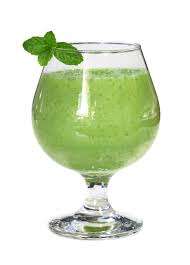
Bitter melon juice could be prepared to have a less offensive and bitter flavor, depending on how you like it. Try this bitter melon juice recipe:
Get half a bitter gourd, half a lemon, some salt and turmeric powder. Use green unripe bitter melons and throw away all the seeds.
Cut the bitter melon into small slices and soak in water with salt and turmeric powder for 15 minutes.
Remove the melon slices and liquefy them using a juicing machine with water or ice.
Strain tiny solid bits. Add lemonade and stir well.
You may also add sugar or syrup if you prefer it sweet.
Preparing it is quite simple and won’t take long, but the benefits are life-changing. A number of people suffering from diabetes have turned to a diet composed mainly of bitter melon. They report better management and control of sugar level in their blood and urine.
Some of its natural contents are beta carotene, potassium, folate, calcium Vitamin C, Vitamin K and zinc. These are reasons why you should grab a bitter melon juice recipe and start preparing a glass for yourself.
Prepare Stuffed Bitter Melon And Have A Sweet Time Eating It
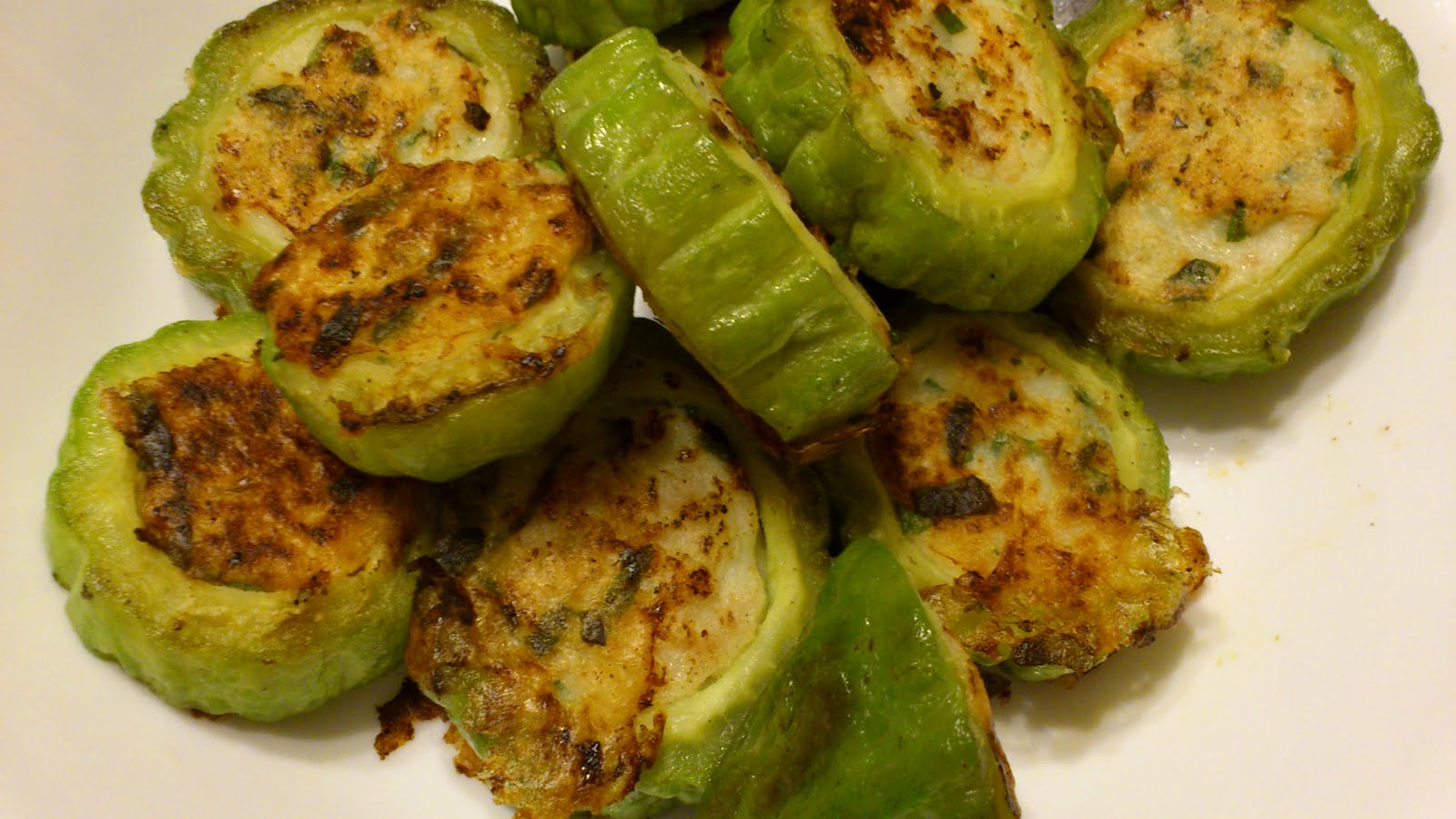 There are many ways to cook the very nutritious bitter melon and one of the most interesting and creative recipes is the stuffed bitter melon.
The trick is to cook this bitter vegetable in the most creative manner so that you can’t help but ingest it despite the underscoring bitterness. One of these creative dishes involving it would be the stuffed bitter melon. Here is how to prepare your own:
Buy the most delicious-looking green bitter melon. It may look unfriendly with all the warts and bumps on its skin, but your mouth is sure to water as you focus on its nutritional value. The bitter melon (also called bitter gourd, karela, ampalaya or balsam pear) thrives in China, South Asia, Southeast Asia, Africa and the Caribbean. It is distributed and popularized in Western countries through Asian vegetable grocery outlets. They are not difficult to find especially when in season.
Do not buy yellowish orange bitter gourds since those are for the trash bin.
Wash your bitter melon fruits and slice crosswise to create 3 to 4 sections. Cut and throw away the end parts, which are too little to be stuffed with anything.
Scoop away or carefully push out the seeds and the white fluff lining. Be careful not to break the melon’s green exterior.
Soak your bitter melon sections in cold water with salt. This is optional. You can skip soaking if you want to preserve its natural, unique bitter flavor.
Meanwhile, prepare your meat for the stuffing. You can use ground beef or spare ribs. The Punjabi cuisine in India stuffs spices into the bitter melon for an exotic combination that is extremely spicy and bitter at the same time.
Flavor your ground pork with minced garlic, salt, and pepper. Mix well before stuffing into the melon sections. Expect the bitter melon to shrink while cooking, which is why you should not overstuff with ground pork.
Submerge your tiny “barrels” of meat and bitter melon in 4 to 5 cups of water then boil for half an hour. Once the bitter gourd turns soft and yellowish, your stuffed bitter melon is ready for serving. This is served best with hot steamed rice.
You may also stuff shrimps, prawns, crabmeat or a combination of meats as you like. Keep in mind that although the bitter melon is used simply as the “barrel”, it is still the star of the show. It has more nutrition than the stuffed meat and it is its unique bitter flavor that makes this dish edgy and interesting.
The Indian version of stuffed bitter melon is fried in oil.
The Nutritious And Bitterly Delicious Bitter Melon Stir Fry
 The bitter melon is one of the most unique fruit-vegetables you can find in gardens and vegetable markets. It is distinctly odd-looking. It looks like a regular cucumber but with hard, scaly bumps resembling rough alligator skin. You think you might get pricked while picking up a bitter melon for the first time. It’s as ugly-looking as it is bitter and yet it is one of the most beloved vegetables in Asia and now in other parts of the world including the United States. Asians typically prefer bitter melon stir fry to any other bitter melon dishes.
To stir fry bitter melon (also known as bitter gourd or balsam pear), make sure to purchase green unripe melons. Again much like its cousin, the cucumber, it is best eaten unripe and very green.
There are two bitter melon varieties: one is longer and the other stockier, but both are as bitter and nutritious. It does not matter which one you choose to stir fry.
Wash the bitter fruit thoroughly and, if desired, soak it in cold water to water down the bitterness. For the Western palate or the first-time taster, the intense bitterness may come as quite a surprise. But after one or two or three meals, the offensive flavor becomes surprisingly delicious. In most of Asia but particularly in China, they prefer it very bitter. The Chinese believe that the more bitter vegetables are more nutritious and medicinal.
Prepare the other ingredients: chili pepper flakes, minced garlic, cooking oil (2 tablespoons), soy sauce (2 tablespoons), sugar, and balsam vinegar.
Slice the bitter melon lengthwise. Remove its white, yellowish seeds with red spots. Those are nauseatingly bitter and could cause abdominal problems. Make sure to get rid of every piece. Scrape the white fluffy lining but be careful not to scrape the green, warty exterior. If you wish to be daring and have it more bitter, leave the white lining.
Sprinkle your bitter melon slices with salt and allow to settle for 15 minutes.
For the meantime, mix the chili pepper flakes and minced garlic. Heat 2 tablespoons of cooking oil on your pan until it begins to simmer. Put the mixed pepper and garlic into the cooking oil and stir for a good 30 seconds.
As the mixture turns aromatic, it’s time to put your bitter melon and keep stirring.
After two minutes, pour balsam vinegar and soy sauce, while continuously stirring. Once the bitter melon slices turned golden brown and soft, you just cooked your delicious and nutritious bitter melon stir fry.
Buying Bitter Melon

One of the most nutritious and helpful vegetables is the bitter melon. Also known as bitter gourd, bitter melon is the most bitter of all vegetables. It is actually a fruit because of the seeds inside its green warty pod. It comes by other names such as ampalaya, karela, balsam pear and wild cucumber. It resembles the cucumber except that the bitter gourd has bumpy and warty exterior, like alligator skin. It is difficult to grow this tropical vine in winter countries like the United States. In most cases, it is necessary to buy bitter melon to benefit from its nutritional value. Here are a few of the most common questions regarding bitter melon, which we have answered for you:
Can I grow bitter melon in my garden?
Growing bitter melon vines in a few parts of the country is possible.
Where can I buy bitter melon seeds?
Buy bitter melon seeds from Asian grocery stores or online. Remove the seeds’ outer coating by first soaking them in water until they swell. Plant the seed only in moist soils that are similar to the soil gardens in frost-free countries. It grows best in sandy loam soil that is abundant with organic matter. Planting in a greenhouse is best.
Vines need a trellis to climb. Build a sturdy trellis that is 2 meters high. Allow enough spaces between each plant so that the vines can creep freely. Prune side-winding vines so that all the nutrients go to the ones that climb up, as these are the ones to produce the melons.
Green, warty, elongated melons appear after a month. They typically hang straight down from their stalk.
Is it worth my time?
Bitter melons and greens are so nutritious that it is worth the bother trying to grow them. They are packed with abundant minerals and vitamins that do not come in combination in most fruits. They are richer in beta carotene than the broccoli, richer in calcium than spinach, and richer in potassium than banana. It also contains zinc, folate, iron and vitamins A, B1, B2, B3 and C.
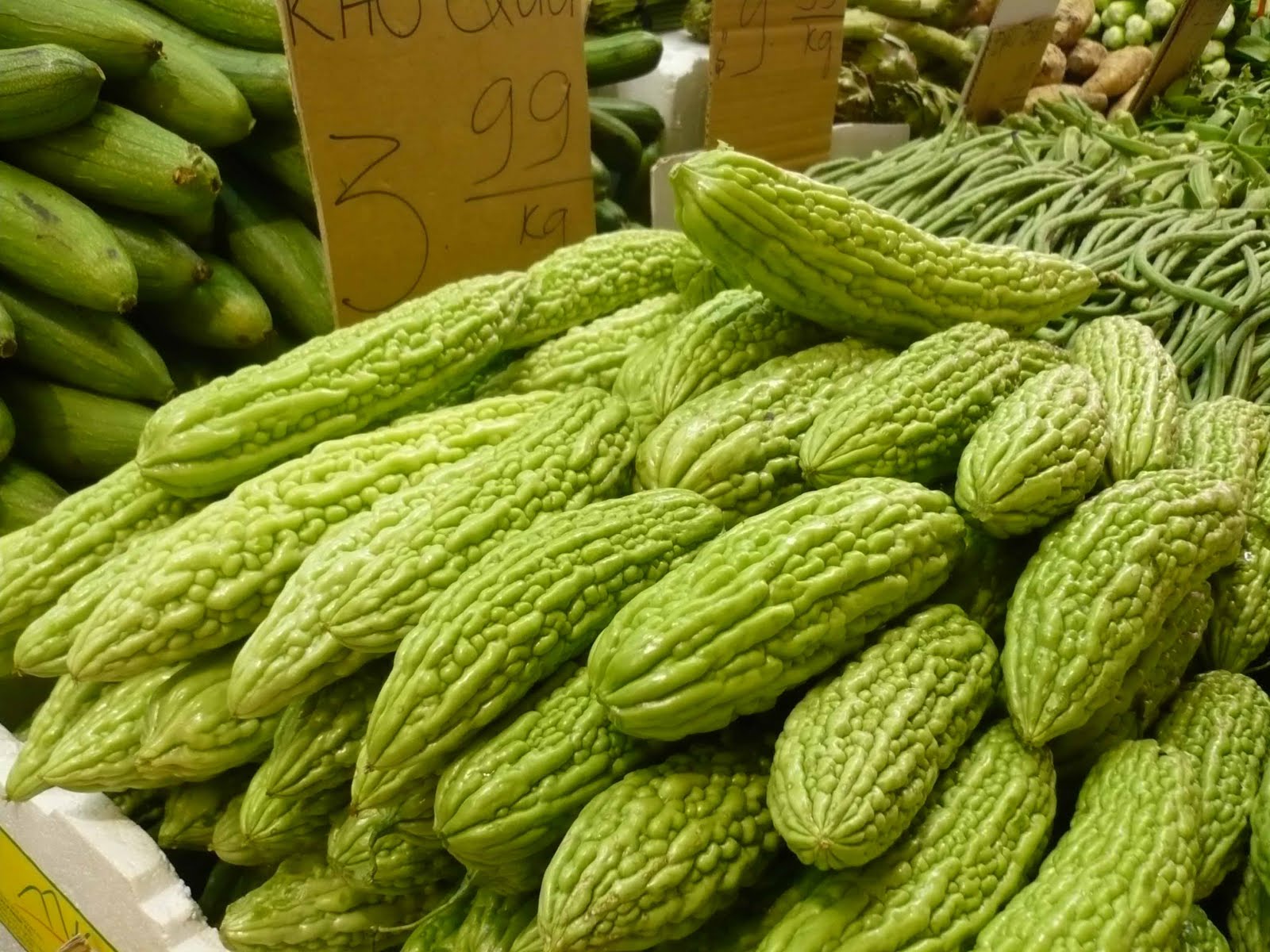 This plant can treat all sorts of ailments from minor (indigestion, constipation and menstrual pains, to name a few) to the most major illnesses (diabetes, leukemia and cancer). Traditional medical care in China and India believe that bitter gourd can improve one’s overall health and wellbeing. India’s Ayurvedic traditions advise the regular ingestion of bitter gourd to detoxify blood, improve digestion, and stimulate the liver.
Do I need to taste it bitter?
Modern technology and advances in marketing have packaged bitter melon in tablets, capsules and caplets. Bitter melon teas and juices are also common commodities. Herbal medicines and bitter melon supplements are now popularized and widely distributed online. Search the Internet to learn where to buy bitter melon extracts.
For most people who have tasted and enjoyed the delicious bitterness of this vegetable, eating it in its natural form is still better than taking bitter gourd pills. It is quite a pleasure eating it raw in a salad with onions, greens and tomatoes or sipping hot bitter melon tea made from bitter melon leaves and shoots.
If you have not tasted bitter gourd, your palate has not tested a truly exotic taste and your body been truly nourished. Buy bitter melon at the Asian farmer’s market near you.

@yourkefirsource
Giselle
Latest posts by Giselle (see all)
- The Magic of Damiana - July 15, 2015
- Baobab Cosmetics | An Increasing Market For The Cosmetic Industry - June 21, 2015
- Baobab | The New Super Tree - June 15, 2015

I have type-2 diabetes, and am looking for ways to possibly reduce my Metformin dosage, as this has just been increased from 500mg daily to 1000mg.
If I use Bitter Melon capsules, should I take them before or after food for the best effects?
After each meal seems to be the norm Paul 🙂 Hope that helps! Good luck! 🙂
please i want to know how i can get the complete pack of the bitter melon, the seeds,the capsules,the tea . i am from Nigeria. Thank you.
Hi Uzzah!
You can check the products here: https://cushfood.com/bitter-melon-amazon
As for shipping, I found these http://www.justnaira.com/2012/03/how-to-buy-from-amazoncom-get-it.html
http://www.amazon.com/gp/help/customer/display.html/ref=help_search_1-1?ie=UTF8&nodeId=201118550&qid=1426042175&sr=1-1
so yeah, Amazon does ship to Nigeria! Good luck! 🙂
Thank you so much for this information. please how can i get the capsules,the tea and the seed?
Hi!
Please check out my suggestion above.
Thanks!
Hi thanks for your information. how can I get the seed