Post Contents
- 1 Fennel Seeds | A Miraculous Boon from Nature
- 1.1 Introduction to Fennel Seeds
- 1.2 The Health Benefits of Fennel Seeds For Specific Ailments
- 1.2.1 Why You Should Use Fennel Seeds For the Eyes
- 1.2.2 Fennel Seeds for Nausea | Treating Nausea With Fennel Seeds
- 1.2.3 Fennel Seeds for Inflammation Problems
- 1.2.4 Why You Should Take Fennel Seeds for Libido Enhancement
- 1.2.5 Why You Should Take Fennel Seeds for Intestinal Worms
- 1.2.6 Why You Should Take Fennel Seeds for Diarrhea
- 1.2.7 Why You Should Use Fennel Seeds For Bad Breath
- 1.2.8 Why You Should Use Fennel Seeds For Flatulence
- 1.2.9 Why You Should Use Fennel Seeds For Colic
- 1.2.10 Why You Should Use Fennel Seeds For Breastfeeding Problems
- 1.2.11 Fennel Seeds for Menopause | What You Need To Know About Fennel Seeds
- 1.2.12 Fennel Seeds for Digestion | Digestive Ailments that Fennel Seeds Can Cure
- 1.3 Different Forms of Fennel Seeds
- 1.4 Buying, Growing And Cooking Fennel Seeds
- 1.5 Recipes
Fennel Seeds | A Miraculous Boon from Nature
Introduction to Fennel Seeds
What Are Fennel Seeds and Why You Should Use Them
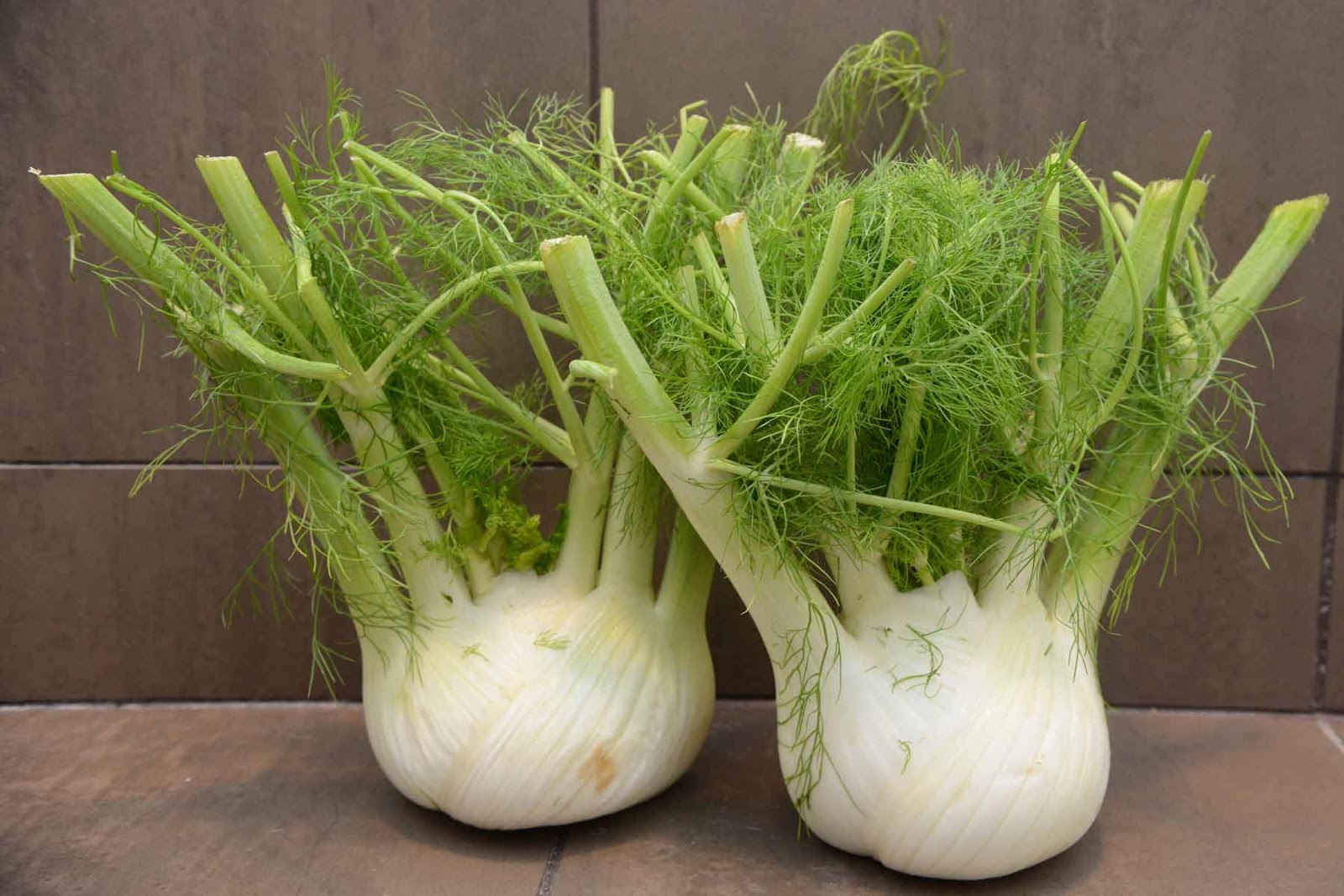
The fennel bulb, one of the many resources that comes off of the fennel plant.
“What are fennel seeds?” Fennel seeds come from fennel, a perennial plant grown originally in Southern Europe. It is sometimes called sweet fennel and the fruit is popularly known as fennel seed. Technically, “fennel seeds” are not seeds at all but the dried fruit of the plant.
Scientifically known as foeniculum vulgare, fennel seeds belong to the family of parsley or umbelliferae, with other popular herb and spices members such as caraway, dill, anise and cumin. It has been traditionally used as a remedy for indigestion and to stave off hunger, increase lactation in women and increase the stamina of the men.
It was regarded as an Anglo-Saxon sacred plant because of its many health remedies. Nowadays, not only is it used widely for many different ailments, it is also widely grown in the whole of Europe, some countries in Middle East, in China, India and Turkey.
Fennel seeds have many culinary and medicinal uses. Because of its aromatic smell, fennel is often used in baking and cooking many different kinds of foods. There are also many health remedies fennel seeds provide. Some of its culinary and medicinal uses include the following:
CULINARY USES
- Fennel seeds best complement fish dishes.
- Crushed fennel seeds may be mixed with spreads such as soft cheese.
- Fennel seeds may be used on vegetable dishes, broths and soups as a spice. It is especially good to include them in curry sauces.
- Fennel seeds may be chewed directly like a candy after rich meals for better food digestion. They also work like a mouth freshener.
MEDICINAL USES

Fennel Seeds
- It aids in digestion of food, treats indigestion and cures flatulence.
- Traditionally used to increase milk lactation in women. It is also believed to increase breast fat tissue, thus today, fennel seeds are also used to increase breast size of women.
- It is a wonderful remedy for colic in babies.
- It has expectorant properties, making it an excellent cure for cough. It is also widely used to treat many respiratory ailments like bronchitis.
- It removes blockages in the intestines and flushes out harmful toxins out of the system.
- It can treat conjunctivitis and may be use as a water solution in washing infected eyes.
- It controls menopausal symptoms and relives menstrual pain in women.
- It is popularly used as a weight-loss supplement because of its appetite-suppressant properties. It can make you fell full longer, thus promoting weight loss.
Fennel seeds contain a lot of antioxidants, dietary fibers, vitamins and minerals like copper, iron, calcium, potassium, manganese, selenium, zinc and magnesium. It is also rich in Vitamins A, B and B complex and Vitamin C. Its active components anethole, limonene, fenchone, anisic aldehyde, chavicol, myrcene, cineole and pinene are what make fennel seeds effective in their many restorative and curative functions in different body systems like the digestive system, respiratory system and the female reproductive system.
So what are fennel seeds? They are considered by most as wonder herbs and by many women as panaceas. Should you have them in your pantry or herbal cabinet? Most definitely.
The History and Consumption of Fennel Seeds

The Fennel Plant
There are two known varieties of the plant fennel. The bulb variety is called Florence fennel or finocchio while the feathery plant is called fennel or sweet fennel. Sweet fennels, scientifically named Foeniculum vulgare, are most commonly known as fennel seeds. Fennel seeds are actually not really seeds but the fruit from the dried, dead flowers of the plant that looks exactly like a seed. Out of practice and habit, the fruit became known as “seeds”.
These seeds have many uses and benefits. Because of the plant’s aromatic characteristics, fennel stems, leaves and flowers and fruits are used as culinary herbs and spices. It is also used to treat indigestion and many other mild digestive disorders, which would be its most popular medicinal use.
Fennel’s first documented use was found in China dating from ancient times (the Chinese still use it even now). The plant was also mentioned in practically all herbal medicine studies in Europe from hundreds of years ago to this day. Native to the Mediterranean, it was introduced to Europe by Imperial Rome and its use spread quickly throughout Greece. Fennel was one of the nine holy herbs of Anglo-Saxons and in the First Century A.D., Pliny attributed 22 healing wonders in fennel.
It was used to treat menstrual cramps in the old days and to relieve women of the symptoms of menopause. It was also thought to increase milk production, so women took it to improve their lactation while the men took it to get rid of digestive problems.
Today, fennel is reputed as an effective healing herb for many ailments. In fact, it was once an official drug in the United States used to treat digestive disorders. It is also classified by the FDA as GRAS or Generally Recognized As Safe, although there aren’t enough studies to prove that it has any health benefit as a food supplement.
Commercially, fennels can come in several forms. There are health supplement fennels in capsules, pills and tablets. There are also fennel seed extracts like oil and tea that are available in the market. And because fennel seeds are widely grown already, you can also find them in the supermarkets and health stores if you do not want to grow them yourself.
You can use the seeds in your kitchen for virtually all kinds of food. You can mix fennel with your soup, stew it, sauté it or add it to your homemade sausage ingredients. Italian sausages are known to have fennels in them, and fennels are also often used in their pasta sauces.
To consume fennels as a tea, crush the seeds and heat them with water. About one teaspoon of crushed seeds is enough for a cup-full of water. It is recommended not to bring it to boil as boiling will rid it of its nutrients. Alternatively, you may also buy fennel extracts or even order them online and mix them with your food and include them in your food preparation. The seeds of fennel can also be chewed directly and raw as a mouth freshener after each meal.
Fennel seeds oil is also used as an aromatic massage oil. When combined with other therapeutic oils, it is rejuvenating and relaxing. Thus, with all the invigorating and cleansing effects of fennels, it is really no wonder that the plant once native to the Mediterranean region alone is now widely grown throughout the world.
Discover the Many Uses of Fennel Seeds

Uses of Fennel Seeds
The health benefits of fennel seeds are numerous and affect different human anatomy and systems, namely the intestines, eyes, blood, bladder, kidney, lungs and the female reproductive system, and because the plant is aromatic and has a characteristic taste, it’s also widely used as herb spices for many different food and nourishments. Aside from the seeds’ usefulness in the kitchen, fennel plants, because of their beautiful flowers, are also used by many to decorate their houses.
The leaves, stalks and flowers of the plant are used mostly as an herb. The seeds, formed after the flowers die, on the other hand are used as spices. The Florence fennel, the bulb variety of the plant, is used more as a vegetable. The bulb may actually be sautéed, grilled, fried, stewed and braised. It may even be eaten raw.
The fennel seeds have a licorice and aniseed taste, although they are less pungent. Used alternatively with aniseed, it is often confused with it. Italian chefs have been using fennel seeds for centuries. Fennel seeds may also be taken as tea after crushing the seeds and boiling it in water.
The medicinal properties of fennel seeds help in the prevention of cancer. Fennel also has micro-bacterial properties acting against a number of bacteria. Fennel seeds in folk medicine are used to promote regular menstruation periods and to treat symptoms of menopause in women. Nowadays, there is scientific evidence pointing to the effectiveness of fennel seeds to treat the following:
- Mild digestive problems such as flatulence, indigestion, gastroenteritis and colic in children. Fennel seeds can also be used to treat intestinal spasms and respiratory disorders like sore throats, cough and colds in kids.
- The presence of hormone phyto-estrogen in fennel seeds components also makes it a natural medicine to regulate menstruation in women and relieve menopausal symptoms such as depression, mood swings, hot flashes, headaches, urinary problems, insomnia, high-blood pressure and weight gain. This female hormone is also responsible for the breast enhancement capability of fennel seeds.
- It is also an effective diuretic, thus eliminating water retention in the system. In addition, it is said to improve eyesight and animal studies have shown that fennel seeds can treat glaucoma in animals. It is commonly used today to treat conjunctivitis.
There are indeed many uses of fennel seeds, although some of the medicinal uses still need direct evidence to prove effectiveness. It is, however, safe to consume fennel seeds, the herb being a natural plant. There are no known serious side effects of eating fennels, and it is safe for short-term use as home remedy for mild ailments.
Other Great Health Benefits of Fennel Seeds

Aside from the many popular reliefs it provides, there are other great health benefits of fennel seeds that are rarely mentioned. Let’s take a look at five other benefits you could get from taking fennel seeds.
- Like all the members of parsley or umbelliferae family, fennel seeds or Foeniculum vulgare are rich in dietary fibers. Dietary fibers are important for a healthy diet. It’s beneficial to those who want to lose weight because it slows down digestion of food and it sticks to water upon contact inside the intestines, thus making you feel fuller. It also reduces blood cholesterol levels because it binds with bile acids and cholesterols in the body. In addition, studies have shown that it may have cancer benefits and may prevent cells from forming cancerous tumors.
- Fennel seeds are rich in antioxidants. Antioxidants are good for your health because they stop the process of oxidation. Bananas turn brown after peeling because oxidation happens. When bananas, however, are dipped in lemon juice, which contains the antioxidant Vitamin C, the process considerably slows down. The same applies to our bodies. The job of antioxidants in our body is to prevent free radicals from being destructive and setting off oxidation processes.
- Fennel seeds also have a lot of vitamin A. Vitamin A lowers blood cholesterol levels and guards us from getting heart diseases and strokes. It improves our vision and the over-all condition of our skin. It also fends off bacteria and parasites in our body and keeps us away from viral diseases.
- Fennel seeds contain vitamin E. Vitamin E keeps our skin healthy and young-looking. It protects our cell membranes, muscles, nerves and red blood cells. Vitamin E is also an antioxidant, which means it also protects our bodies from free radicals.
- Fennel seeds have complex carbohydrates. Complex carbohydrates contain a lot of nutrients, making them essential in our health. Complex carbohydrates unlike simple carbohydrates take longer to digest, thus playing an important role in weight loss and diet. It has phytochemicals, vitamins and minerals that we need to be healthy and strong.
Indeed, you could benefit a lot from taking fennel seeds supplements. Fennel seed is probably the most versatile of all discovered herbal plants nowadays, because it contains the most number of health benefits among all other medicinal plants. Aside from its aromatic characteristics and culinary use, fennel seeds are also rich in compounds important in maintaining our health. And with the many health benefits of fennel seeds and their curative properties, the fennels is truly a wonder plant that you should include in your diet.
Warnings, Precautions and Side Effects of Fennel Seeds
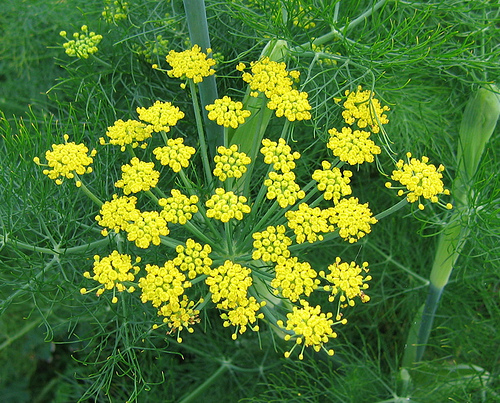
While they are generally considered safe to ingest, there are some side effects of fennel seeds that pose health risks when fennels are taken in large amounts and in aqueous form.
All the parts of the fennel plant are edible: the stalk can be used like celery, the leaves as herb and the seed as spices. Concocted tea and oil from fennel seeds, however, should be taken in moderation especially by pregnant women and children. The following are the known side effects and health risks associated with fennel seeds.
- Neurotoxicity. The fennel seed oil contains potentially dangerous components that may be deadly and toxic. In fact, even small dosages may cause seizures and respiratory disorders in some sensitive people.
- Gastrointestinal Disorders. According to Physician’s Desktop Reference, taking large amounts of fennel also resulted in gastrointestinal problems including nausea, upset stomach and vomiting.
- Photosensitivity. The Physician’s Desktop Reference also warns of sensitivity to sunlight for individuals taking large amounts of fennel. This makes sun exposure hazardous and care should be taken to avoid long sun exposure.
- Allergic Reactions. Individuals allergic to carrots, celery or mugwort, are more likely to develop skin allergic reactions to fennel seeds. Allergic reactions are rare but when it occurs, watch out for itchy, swollen skin and a rash in combination with symptoms like chest pain, difficulty in breathing and tightness in the throat or chest. Skin allergic reactions occurring with such symptoms should be treated as medical emergencies.
- Drug Interactions. Individuals taking drugs for epilepsy such as gabapentin and phenytoin should avoid fennel seeds as seizures are common side effects when fennel seeds are taken with anti-seizure medicines.
- Early Breast Development. Because phyto-estrogen is a female sub-hormone, it is reputed that men taking large doses of these seeds may develop feminine qualities. Fennel seeds should not be taken for an extended and long period of time. A report published in 2008 in the Journal of Pediatric Surgery, mentions that a number of toddlers who were taking large amounts of fennel seed tea even as a newborn baby, are suffering from thelarche – a premature breast development – and have developed breasts at age two.
- Cancer Risks. The University of Michigan Health Center cautions individuals that are high-risk on developing breast cancer and breast cancer patients to avoid taking fennel seeds in large quantities. Their stand is however, based on theories alone and there are no conclusive studies yet to prove consumption of fennel seeds by such individuals may be harmful. Similarly, there are also studies proving estragole, a phytogenic monosubstance in fennel, can be carcinogenic in rats when combined with other substances containing estragole and methyleugenol such as anise, star anise, basil, tarragon, lemon grass, Jamaica pepper and nutmeg. But again, these are on a laboratory level and there are no irrefutable studies yet to prove that such side effects of fennel seeds are also true for humans.
The Health Benefits of Fennel Seeds For Specific Ailments
Why You Should Use Fennel Seeds For the Eyes

They say eyes are the windows to our souls. You can indeed read a person’s emotions by looking deep into his eyes. In medicine, the eyes also show the state of health of a person. Tired-looking eyes and puffy eyes are just some of the indications of poor physical health. So, whether you’re thinking of curing your eyes of these “indications” or you’re looking for natural eye home remedies for conjunctivitis, you’d be glad to know that you can use fennel seeds for the eyes.
Fennel seeds are not only for cooking or for baking. They are not only for treating internal body dysfunctions. Externally used, fennel seeds are a good fix for many eye problems.
Eye problems like dry and tired eyes, which are caused by the pollution, ozone gas and the heat can be easily remedied by washing the eyes with a fennel seeds concoction. Fennel seeds extract is an ideal natural remedy in these days when people always look for quick fixes in their busy lives. It’s quick, safe, effective and very cheap.
Fennel seeds have been used thousands of years earlier in treating eye infections caused by bacteria. It’s also been proven to be effective in treating itchy eyes, red eyes, dry eyes and swollen eyes. You can use fennel seeds eye baths to cleanse out dust and irritants after a long day or for a refreshing wash in the morning.
It’s easy to make eye baths. Here is an eye bath fennel seeds recipe you can easily do at home. Use 1 and 1/3 cups of distilled water for 1 teaspoon of fennel seeds. Boil the water and pour it on the seeds in a small container. Cover and leave the seeds immersed in the water for 15 minutes. Then drain and keep in a clean bottle container.
Remember to always use distilled or pure water to avoid getting infections. Be sure you’re using clean bottles to store the mixture as well. Keep it in a cool dry place and do not store for longer than 24 hours to avoid bacterial growth.
To use the mixture, soak a clean cloth on the mixture and use it as an eye-patch to get rid of swollen eyes. For pink eyes, wash your eyes with the mixture. Then, rub gently on the base of the eyelashes. Make sure you wash all the surrounding area of the eyes and make sure you have clean hands as well.
If you prefer to use herbal fennel seeds solution instead of the raw seeds, you can do so, too. Add 10 drops of water to a cup of distilled water. Boil while stirring occasionally and use as directed.
So, for natural cure, use fennel seeds for the eyes. Fennel seeds are guaranteed to treat all your bacterial eye problems. They can also relax the eye muscles and can relieve eye strain. So, if your work involves using your eyes for most of the day, staring in the computer all day, you can also use fennel seeds mixture to wash and invigorate your eyes daily. It is safe for everyday use, making it the perfect natural eye remedy.
Fennel Seeds for Nausea | Treating Nausea With Fennel Seeds

Feel like you want to throw up but you don’t want to take some medicine? Well, you don’t have to! Do you know that there are herbs in your kitchen that you can actually use to stop queasiness? Do you know that you can use fennel seeds for nausea? That’s right: fennel seeds, coming from a plant often referred to as the “wonder herb for women” because of its many remedies for women and the female reproductive system, are an excellent remedy for many digestive disorders, including nausea.
Fennel seeds contain anethole, which treats intestinal spasms, colic, indigestion, diarrhea, constipation and many other kinds of stomach pain. If you’re nauseated, you can chew on fennel seeds to stop the sickness. You can also make a tea out of fennel seeds by heating one and a half teaspoon of crushed fennels into a cup of water. If you don’t have fennel seeds in your pantry or in your garden, you may also purchase fennel extracts and mix that in your drink.
Fennel seeds have no known serious side effects and are safe even for babies. However, because fennel seeds have the ability to relax uterine muscles, it’s best to stay away from them when you’re pregnant to avoid pre-term delivery. So, if you’re experiencing nausea because you’re pregnant, do not take fennel seeds or fennel seeds tea.
WHAT TO DO AND NOT TO DO WHEN YOU HAVE NAUSEA
- Do not drink sparkling and carbonated drinks.
- Do not eat heavily. Until your stomach has settled, take some light crackers or toasted breads instead.
- Do not eat fried, greasy and sweet foods. Although some find that eating potato chips and junk foods eases the nausea, oil and fats from junk foods are actually more difficult to digest and may result to a more upset stomach.
- Do not combine hot and cold foods.
- Do not do strenuous activity after eating. In addition, if you’re lying down, sit up and stand up slowly. Avoid standing up quickly.
- Do not brush your teeth after eating.
- Do drink ice-cold drinks. Drink or sip slowly. Do not gulp it all in one drinking.
- Do drink plenty of water. Dehydration can aggravate nausea, so drink lots of water or eat vegetables high in water content like carrots and celery.
- Do eat bland foods. Again, crackers are your best-friend when you have a feeling of nausea. You can also try eating chicken broth and avoid overly spicy foods. Eat slowly and eat smaller servings and just compensate by eating frequently.
- Do add a small slice of lemon or lime to your fennel seeds tea. You can also add a squeeze of orange juice to your drinking water.
- The above would control if not relieve nausea. Remember, however, that nausea may sometimes be a symptom of a more serious underlying disease. If drinking or eating fennels does not ease the queasiness, and if the nausea occurs rather regularly, you should consult a doctor. Otherwise, you’re right to go natural. Explore natural remedies first and take fennel seeds for nausea.
Fennel Seeds for Inflammation Problems
 Fennel seed can also be used for inflammation problems of any kind.
As digestive ailment remedies, fennel seeds can treat inflammation of the diverticulum in the digestive tract, Crohn’s disease, colitis and all other kinds of intestinal inflammations. Fennel seeds can cure gastro-intestinal disorders and inflammations because of their muscle-relaxant and anti-inflammatory properties. And because of those anti-inflammatory properties, fennel seeds can also be used as an analgesic and help to alleviate pain without you losing consciousness or alertness. In addition, fennel seeds may also relieve symptoms of IBS or irritable bowel syndrome.
Fennel seeds are also very effective in treating inflammations in the respiratory system. Common respiratory infections and viral infections that cause inflammation of the respiratory tracts can be treated effectively by fennel seeds.
Fennel seeds as treatment for inflammation are absolutely safe. In fact, in Europe, fennel seeds syrups are prescribed to children suffering from inflammation of the respiratory tract.
Fennel seeds also work in the treatment of inflammation of the eyes like conjunctivitis, an inflammation of the conjunctiva caused by infections, injuries or allergies. Because fennel seeds are also rich in anti-bacterial properties, it is ideal to use for cleaning of infected eyes. It can treat glaucoma, cloudy vision, pain, redness and eye inflammation safely.
The active component of fennel seeds, anethole, works wonders in blocking inflammations. It helps relieve inflammation by inhibiting the inflammatory response of a system in our cells known as NF Kappa B. NF Kappa B, a systematic function found within cells, was proven in a significant number of studies to be responsible for many inflammatory diseases including cancer, myocardial infarction, Crohn’s disease, atherosclerosis, allergy, diabetes, asthma, arthritis and many others.
In another study, fennel seeds were proven to significantly increase effectiveness of the antioxidant super oxide dismutase in lowering inflammatory reactions of our cells to stimulants.
Except for eye inflammations, the prescribed method is for you to consume fennel seeds as a drink, as a condiment or like an after-meal candy, chewing it raw and directly after a meal. It is believed that the volatile oils of the fennel seeds contain much of the health-giving benefits, and thus it might be best to drink its juice. To juice fennel or make a tea concoction, just heat a cup of water with one and a half teaspoon of fennel seeds. Crushed fennel seeds make a slightly bitter-tasting tea, so you can heat it uncrushed if you want. Most herbalists also believe that boiling the mixture will rid it of the essential nutrients, so it’s best to not let it reach its boiling point.
You can also use your fennel seeds as a spice and add them to your favorite dishes. To use fennel seeds for inflammation of the eyes, just boil 1 and 1/3 cups of distilled water with 1 teaspoon of fennel seeds. Leave it for 15 minutes and then drain the seeds. The solution is then used to clean the infected eyes.
Why You Should Take Fennel Seeds for Libido Enhancement
 The use of fennel seeds for libido enhancement has been known since the ancient times. The herb was a famous aphrodisiac used not just by women of menopausal age but all men and women suffering from low libido and sexual drive.
Taken as a food, fennel seeds provide an aromatic and tastier way of increasing sexual responses. Since the ancient times, people believed that the food we eat affects our sexual urges. And indeed, modern studies show that some food can influence how the brain works, some as a placebo effect and some by directing increased blood flow to sexual organs. There are also other foods that encourage sexual reactions because of their shapes, colors and smells.
The ancient people of Egypt were the first people believed to have stumbled upon the use of fennel seeds as an aphrodisiac. They started including fennel seeds in their food to boost their libido and increase their physical stamina. Nowadays, fennel seeds are an important component of many love potions and modern aphrodisiacs. The popular alcohol Absinthe, in fact, has fennel seeds in it.
Fennel seeds can boost sexual urges in women because of the active component that works like the female hormone estrogen. This female hormone-like component is also the one responsible for increasing breast size in women, although it was primarily used in the ancient times to increase breast milk supply of nursing mothers.
And because fennel seeds can treat symptoms of menopause that include vaginal dryness, it makes for a great natural alternative for treating low libido in women as well.
Herbalists insist that natural cures should always be explored first before turning to pharmaceutical remedies. They believe that natural remedies can be just as effective as chemically engineered drugs. And although some herbal remedies may take longer to work, their effectiveness not working instantly, all medicinal cures still work. So, for libido boost of women in menopause and as a treatment of sexual dysfunction in men, it is recommended to try herbs and spices like fennel seeds.
Fennel seeds for libido enhancement work like a charm. And you don’t have to think about side effects either. As natural remedies go, fennel seeds have very few side effects. There are no proven serious side effects of fennel seeds and it is very safe that in some countries, fennel seeds are even prescribed for children. It’s time to ditch all your sexual problems and take control of your health—and the bedroom.
Why You Should Take Fennel Seeds for Intestinal Worms

Fennel seeds can be used for de-worming both adult and kids. Worms don’t just live off vulnerable children. Worms can also infect adults, even healthy ones. But there’s hope: you can use fennel seeds for intestinal worm problems and parasitic treatment.
There are three types of worms that infect humans: the roundworms, the tapeworms and the flukes. The most common types of roundworms include pinworms, hookworms, and whipworms. Children are more vulnerable to pinworms and they are rarely found in adults.
That doesn’t mean children can’t get infected by other worms though. Hookworms can get through the body by a person walking barefoot on infected soil. Infected soils are soils that have traces of human feces. Thus, infection of hookworms can be prevented by wearing shoes and by practicing sanitary disposal of body’s solid wastes every time all the time.
Tapeworms, on the other hand, invade our body through the digestive system. Beef, pork, fish and meats of any kinds should be cooked thoroughly because they often contain eggs and larvae of tapeworms. That is why pregnant women are always advised to stay away from raw meats.
To treat worms naturally and expel them from the body, herbal remedies like drinking fennel tea will prove helpful. Its mild laxative properties that promote intestinal motility will help flush worms out of your body. Also, fennel seeds function like a sedative to worms. It is assumed that when worms are in a state of rest, they cannot lay eggs and multiply in your body. That is why worms do not like fennel seeds, and worms can be easily expelled out of your system when you drink fennel seeds tea.
According to WHO, about 80 percent of the world’s population are infected with parasites, and not all of them live in developing countries. Parasites are everywhere and can live anywhere, and people who underestimate parasites are at high-risk of being infected by them due to carelessness.
If you do not realize that worms can be passed on by a simple and casual contact, by not giving importance to good hygiene like simple washing of hands every meal, by petting pets and then not washing your hands after, you put yourself at high risk of parasitic infection.
Worm infection is a serious health problem. Why? Because worms can lodge anywhere in your body. In fact, parasitological experts believe they are rarely found in the stomach intestines. Once you’re infected with parasites, they can settle not just in your intestines but also in other parts of your body. A worm can hide in your brain, in your liver, lungs, heart and everywhere else where you’re not functioning optimally. Some worms can cause grave complications: a particular worm that existed from ancient times to now even causes seizures due to its eventual migration to the brain.
So it’s important to treat them immediately, even though the symptoms may not appear at once. Drinking fennel seeds for intestinal worms will do you a great deal of good. It will not only rid you of parasitic worms: with its many medicinal benefits it will also make you a healthier person.
Why You Should Take Fennel Seeds for Diarrhea

Diarrhea can be physically draining, but most would rather take the physical exhaustion any second than to have embarrassing accidents caused by diarrhea. But you don’t have to put up with both. The natural remedy is to take fennel seeds for diarrhea.
Fennel is popularly used for the treatment of mild digestive disorders. Taking fennel seeds is an effective way of treating diarrhea because fennel seeds aid in digestion of food. If your diarrhea is caused by malabsorption of fats and foods, fennel seeds can treat it. In addition, fennel seeds have anti-spasmodic properties, and can thus help relieve stomach pain caused by diarrhea and stomach gas.
Fennel seeds also have anti-bacterial properties. They kill and expel certain types of bacteria in the stomach. If your diarrhea is caused bacteria in your stomach, take fennel seeds because fennel seeds can treat and stop the symptoms of diarrhea, sparing you the possibility of dehydration and the physical fatigue.
The most common symptom of diarrhea is the passing of loose and watery stool in frequent intervals. If diarrhea appears in combination with other symptoms like fever and flu, abdominal cramps, nausea and vomiting, know that it could be just an underlying problem to a more serious disease and you should seek the professional advice of a doctor. The most serious risk of diarrhea is dehydration. If you’re suffering from diarrhea, drink lots of water to avoid getting dehydrated.
Because fennel seeds are aromatic, they have found their way in the kitchen and are used widely as an herb and spice in many countries. For diarrhea problems, you can take fennel seeds mixed with foods such as soups, broths and sauces.
Fennel seeds can also be rubbed on meats for tastier dishes. In fact, you can use fennel seeds on almost all kinds of dishes. However, since it is the volatile oil of fennel seeds that contains the medicinal properties, it is best to take them as a liquid for fast-acting remedies.
Fennel seeds for diarrhea work wonders and you can even take them even when you’re not feeling ill. Regular intake of fennel seeds will promote good health and let you reap its many health-giving benefits. So go natural, include fennel seeds in your diet and never worry about diarrhea episodes again.
Why You Should Use Fennel Seeds For Bad Breath
 Are you suffering from bad breath? Do you know that the rich spices you like to eat often are the culprits of this unsavory problem? Are you constantly afraid of opening your mouth to talk to another person in close proximity? Well it’s time to put an end to all of that and take control of your health and your social relationships. It’s time you took fennel seeds for bad breath.
The seemingly unimportant fennel seeds actually pack many remedies for many ailments and diseases. Traditionally, it has been used to fend off hunger by the Puritans during long religious services. They chewed on the seeds during their meetings and have actually nicknamed the seeds “meeting seeds” because of this. In India, fennel seeds are given after a meal to chase away the taste of rich dishes. And because it was believed to have a wonderful effect on digestion of food, the generations before us have also included fennel seeds in their cooking preparation and foods.
Today, people have picked up on the habit and started chewing fennel seeds as well every after meal. Its aromatic licorice-like smell will coat your tongue and the insides of your mouth upon chewing. Studies have yet to be conducted on the effectiveness of fennel seeds on bad breath but science has already confirmed the presence of anti-bacterial components in fennel seeds. And since bad breath is caused by presence of bacteria in the mouth and tongue, that’s a good enough reason for many to take fennel seeds for bad breath.
Of course you can always seek professional help if you’re in doubt fennel would make a difference, but why do that when you can fix the problem naturally, safely and cheaply? Just take fennel seeds like a candy, chewing thoroughly before swallowing. You will not only be relieved of embarrassing bad breath but you will also reap the many benefits of taking and including fennel seeds in your diet.
The truth is, every single person diffuses bad mouth odor, only that it is uncontrolled in some. Odors also vary in level or strength depending on several factors. Eating strong spices with lingering odors like garlic and onion and practicing habits like smoking and drinking alcohol are the most common causes of temporary bad breath. More permanent odors are caused by cavities in teeth and bacteria in the mouth, sinusitis and internal body odors. The good thing about fennel seeds is that they treat not just the mouth parts but also odors that are coming from inside the body. In fact, another popular remedy that fennel seeds offer is the treatment and cure of body odor.
There are just so many factors that can contribute to having bad breath, not least of all is the kind of lifestyle a person leads. But fennel seeds for bad breath work, so whatever kind of food you love, or the lifestyle you’ve grown accustomed to, fennel seeds might just be the one you need.
Why You Should Use Fennel Seeds For Flatulence
 While there is absolutely no one immune to gas flatus, not all excessively pass wind. The overly frequent passing of wind is called flatulence, a scientific term used to refer to excessive gas flatus. Flatulence does not pose serious risk to your health. It does pose serious damage to your reputation, though. After all, nobody passes wind in public and gets away embarrassment-free with it. Luckily, you don’t have to disclose your problematic situation to your physician. You can actually treat it yourself right from your kitchen. Do you know that you can use fennel seeds for flatulence?
Yes, you can! Fennel seeds are an excellent remedy for indigestion. Yes, you don’t have a communicative disease even though people might have started avoiding you like you’re the plague. All you actually have is just indigestion. When foods aren’t thoroughly digested in your system, flatulence happens.
This doesn’t mean though that you should take it lightly. Flatulence is a social problem, and one that must be addressed as soon as it is possible. And fortunately for you, it can be as soon as stepping in your pantry and reaching for that bottle of fennels.
Fennel seeds are reportedly effective in treating indigestion. Its active components promote proper digestion of food and it absorbs gas in your stomach, reducing and eradicating the urge to belch and release gas.
Even if you don’t mind being the “talk of the office” or the favorite subject during coffee breaks, and you totally have no problem with yourself being associated with “gas”, you should know that flatulence aside from discomfort and abdominal bloating may actually be toxic and harmful to your system. The gas from flatulence is believed to be health-harming by Ayurveda or alternative medicine practitioners.
You can take fennel seeds tea two to three times daily. You can also chew on fennel seeds twice a day after meals. There are no substantiated side-effects of fennel seeds but most herbalists warn against taking fennels in large doses. But whatever you do, save yourself-and the others – from leaking gas and use fennel seeds for flatulence.
Why You Should Use Fennel Seeds For Colic

If you’re a parent, you probably have, one way or another, experienced the dreaded colic. It is inarguably the worst thing that could happen to parents in their whole parenting life, and at the worst possible time. Just when you’re trying to cope with the difficulties of caring for a newborn baby and recovering from a laborious birth, your baby cries inconsolably in the middle of the night and no amount of milk, soothing words, comforting rock and peaceful lullabies seem to make him stop: in fact, nothing seems to work! It could easily spell nightmare – if you don’t know that you can use fennel seeds for colic, that is.
That’s right! You don’t have to stress over how your baby is not behaving as wonderfully as you thought he would, or how incompetent a parent you must be for not being able to soothe your little one. You can cut all that drama and go back to sleep. There’s no need to painfully -and tiredly!-wonder when the baby would stop crying and try to bear it until it stops. Fennel seeds can help ease all your worry, your distress, and yes, the baby’s too!
Experts cannot agree what colic means medically or what causes colic in a baby, but parents of a colicky baby can easily tell you that colic is the result of three to four hours of crying in the wee hours of the morning everyday for several weeks of a baby between three weeks to three months of age. The common theory is that it is caused by stomach or gas pain when a baby’s digestive system is working too hard or a baby’s bowel movement is so slow the air makes the intestines expand, which causes the pain.
Others believe it is the result of eating too fast or swallowing too much air without burping. Still, a minority also hold that it is the result of immature development of the baby and some studies actually link colic to drinking cow’s milk.
The most obvious sign is the baby’s continued crying for a couple or more hours without any clear reason. The baby may also show signs of uncomfortable feelings in his stomach by stretching his feet up or clenching his fists. The “episodes” usually happen at roughly the same time every day. You should also watch out for the baby exhibiting painful bowel movement.
Before deciding, however, that your baby must have “The Colic” if you can’t seem to make him stop his crying, you should also see a doctor and consult that expert.
Fennel seeds have been used for thousands of years for the treatment of colic in infants because of its digestive healing properties. Fennel seeds can be made into a syrup or a tea juice and given to the baby to stop the symptoms. To make a syrup, boil the fennel seeds for about 5 minutes and then add some sugar or sugar syrup. To make a tea, simply heat one and a half teaspoon of fennel seeds in a cup of water. It is an easy to do, safe to use and an all-natural remedy for your colicky babies. Time to try fennel seeds for colic problems, moms and dads!
Why You Should Use Fennel Seeds For Breastfeeding Problems

Are you one of those who desperately want to breastfeed but find your milk supply won’t cooperate? Do you want to be able to breastfeed exclusively and do it effortlessly and naturally? Well, you can! You can use fennel seeds for breastfeeding.
Fennel is an aromatic plant used for many culinary and medicinal purposes. It was traditionally used to increase milk production in women, and today it is still widely advised by herbalists to promote lactation.
Breastfeeding will not only promote a healthy mother and child bond but also the health of your baby. Breast milk is full of health-giving vitamins and minerals that your baby needs. What’s more, breast milk is uniquely healthy because its nutrient contents change as your baby’s nutritional needs change. Studies also show that breast milk improves the body’s immune system and protects a child from future illnesses.
Breastfeeding is also not just beneficial to babies but for mothers as well. Breastfeeding helps retain your iron and protects you from bone loss and breast cancer. It also contracts the uterus, thus helping you go back to your pre-pregnancy waistline.
In addition, breastfeeding will also save you lots of money. You don’t have to spend on a costly formula and you can still be sure that your child is getting the best nutrition. It’s also easier to nestle your little one closer to you in the middle of the night than to get up and prepare a bottle of fortified milk and formula.
Some popular breastfeeding myths concerning milk production include the following.
- Many women don’t produce enough milk. Completely untrue. In fact overproduction of milk is too common an occurrence, to the point that overfed babies are just as common. Babies who are not gaining enough weight are actually not in such a state because of poor lactation but rather of poor latching.
- The first three to four days after birth are low-lactation days. This often seems true because the first few days after mothers have given birth are the times when they first do try to latch their babies. These are also the days when babies try to suck the colostrum out of their mothers and improper latching often results in poor milk suckling.
- You’ll have low milk supply if you don’t have big breasts. Don’t fall for this one. The size of your breasts doesn’t have anything to do with your milk ducts.
Not all mothers go through the journey of breastfeeding smoothly. First time moms with low milk supply especially find it hard to breast feed. And that’s where fennel seeds can help. Fennels have an estrogen-like component that’s responsible for increasing milk supply in women. Thus, many breastfeeding moms today use fennel seeds for breastfeeding problems. Thanks to fennel seeds, women today no longer have to worry about not having enough milk to feed their babies. And because of fennel seeds, moms have an option to finally and forever say goodbye to low lactation problems. It’s natural, it’s safe, and that’s why it’s worth trying it out yourself. After all, mothers have enough problems to deal with without worrying about their body’s functions.
Fennel Seeds for Menopause | What You Need To Know About Fennel Seeds

Treating menopausal disorders is just one of the many remedies fennel seeds offer, although it has been tagged hundreds of times as a “wonder plant” for women because of its seemly cure-all properties, particularly with the women’s body system. Fennel seeds do not only guarantee to remedy premenstrual syndrome, but also offer dysmenorrheal cure and ovarian problems relief, among others.
Symptoms of menopause may vary from an individual to another individual. Some menopausal indications may occur together with some symptoms but not with the others. Some individuals also experience all the warning signs of menopause while others hardly have any sign at all. Some of the most reported symptoms of menopause by women of menopausal age include the following.
- night sweats
- hot flushes
- mood swings
- depression
- anxiety
- vaginal dryness
- decrease sexual interest
- bloating
- high blood pressure
- palpitations
- poor memory and inability to concentrate
- muscle aches and pains
Menopause occurs when a woman’s menstrual period stops. This usually happens around the age of 48 to 60 and is accompanied by several menopausal symptoms. These symptoms take place because of the reduced hormones in the female’s body. The anethole component of fennel seeds that acts like a phytoestrogen, which imitates the effects of estrogen, the female hormone – helps relieve and control problematic signs of menopause. Thus, taking fennel seeds will help women undergoing menopause deal with the change more easily.
Heat a cup of water with one and a half teaspoon of fennel seeds. Heat if for about five minutes on low heat and then strain into a cup. Add milk and honey or sugar if desired. Take note that crushing the seeds may make your tea taste bitter and boiling may rid your mixture of its essential nutrients.
It is recommended that you drink fennel seeds tea twice daily for the relief of menopause symptoms problems.
So, if you’re in the menopausal age and you’re experiencing the symptoms mentioned above, you may take fennel seeds. Fennel seeds for menopause symptoms relief are very effective and safe. It’s a natural way of treating and relieving menopausal signs in women.
Fennel Seeds for Digestion | Digestive Ailments that Fennel Seeds Can Cure
 Extensively used during the ancient era for digestive disorders, fennel seeds are most popular for their digestive healing properties. In the old days, people used fennel seeds for digestion of food properly, to increase milk production in their women and to keep hunger at bay. Over time, people have discovered more uses for fennel and now, it’s probably the only medicinal plant in the world with as many diverse uses as these.
It’s a wonder plant that’s perfect for all kinds of intestinal and digestive ailments. You can use it as a dyspepsia remedy, constipation remedy, vomiting remedy and many others. There are no known serious side-effects of fennel seeds so they are safe-so safe, even, that babies suffering from colic can take them. Following are some of the most common digestive problems that fennel seeds can remedy.
- Indigestion. Because it’s a famous remedy for indigestion, ancient people have found a way to include fennel seeds in their cooking. Fennel seeds aid in digestion of food effectively, thus preventing indigestion and acid indigestion or dyspepsia. It stimulates the production of bile that helps in digesting food thoroughly.
- Constipation. Fennel seeds contain dietary fibers that largely help in preventing constipation. Fennel seeds also cleanse the intestines, flushing out toxins out of the body and aids in the removal of blockages in the intestinal tracts. All these promote regular bowel movement and make taking fennel seeds regularly truly beneficial.
- Diarrhea, gastroenteritis and vomiting. Diarrhea caused by bacteria and parasites in the body can be remedied by taking fennels. Fennel seeds have anti-bacterial properties and substances that treat inflammation of the intestines and cures symptoms of gastroenteritis that include vomiting.
- Acid reflux and other intestinal spasms. Fennels seeds have excellent curative properties that treat acid reflux or heartburn and other intestinal spasms. It has carminative and anti-spasmodic properties that relieve stomach gas, colic and all kinds of stomach pain.
Fennel seeds can be chewed after meals. If you got them commercially, you can already chew the product directly. Straight from the garden, you also have the option to heat and roast them after drying them under the sun. You can take as much as one and a half teaspoon daily or approximately 7 to 9 grams. It’s best to chew them well before swallowing for faster absorption of its healing properties.
You can also brew fennels and make a tea. The leaves and the “seeds” or fruit of the plant fennel can be used when making teas. Use about ¾ teaspoon crushed fennel seeds for a cup of water. Heat the seeds in the water but do not let it boil because boiling them will rob it of of its nutrients. If you want some variation in your tea, you can check out this section of the post.
Of course, you can drink fennel seeds tea even when you’re not feeling ill. Regular intake of fennel seeds tea will greatly improve your overall health condition. So, if you use fennel seeds for digestion and better absorption of food nutrients, you can also benefit from its many health-promoting properties in the process.
Different Forms of Fennel Seeds
Top Ten Reasons Why You Should Drink Fennel Seeds Tea

Fennel seeds tea is one of the top buys among herbal teas in the herbal supplement industry. People have seen the benefits of consuming fennels, and most are finding ways to incorporate fennel seeds in their daily intake of food. The most convenient way, it seems, to include fennels in the diet is to drink the juice.
Fennel seeds tea can be made from both the plant’s seed and from its leaves. You can heat the leaves or the seeds of fennels interchangeably to make the tea. Do not, however, grind the seeds as grinding can make the tea bitter.
No time to heat, and even less to grind fennel seeds? Don’t fret. Fennel seeds come in tea bags and are widely available in the market. Now, there’s no reason why you shouldn’t take fennels when you could! And when you’re ill and feeling poorly, you have more reasons to drink fennels. Here are the top reasons why.
- It cures diarrhea and constipation. When you need relief from constipation, drinking fennel seeds will help you move your bowels. Similarly, if diarrhea is caused by bacteria, fennel seeds can help you stabilize your bowel movements because of its antibacterial properties. And because fennel seeds are safe, it is even used to treat diarrhea and constipation in babies.
- Aids treatment of Irritable Bowel Syndrome. Aside from the ability to cure you of constipation and diarrhea, fennel seeds are known to speed-up treatment of irritable bowel syndrome.
- It aids in digestion. It’s a perfect complement to any meal as not only is fennel seeds tea flavorful, it also prevents you from having indigestion. It aids your digestion of food so it’s ideal to take it after every meal.
- Prevents mucus build-up. Fennel seeds treat congestion and prevent mucus build-up in the respiratory tract.
- Kills body odor effectively. Fennel seeds tea when taken everyday can help reduce body odor that comes from the food we eat. Fennels can cleanse the intestine, thus eliminating odors originating from it.
- It has expectorant properties. The plant contains active ingredients, specifically anethole and estragole, that makes its tea act as an expectorant forcing phlegm to be coughed up and out of your body.
- It has visual-enhancing effects. It’s been used thousands of years to clear up eyesight problems. It improves and clears vision naturally.
- Treats conjunctivitis. Because fennel seeds have antibacterial properties, you can use the tea to directly wash your eyes.
- Natural de-worming formula for kids. Fennels can be used to de-worm kids. It kills parasites in the stomach and expels any such problems from the body. It is a safe and natural way of de-worming your kids.
- Works like a mouth freshener. Fennels give off a nice aroma that can coat your tongue when ingested. In fact, fennels have long been used to cure bad breath. So, you will not only be drinking a tea to conclude a meal but will also be freshening your breath after a rich meal when you drink fennel seeds tea.
Incredible Remedies of Fennel Seeds Supplements

Fennel seeds supplements come in many form. There are fennel seeds pills, fennel seeds capsules and fennel seeds tablets. The effectiveness of each is only affected by the amount of fennel seeds present in it. Some fennel seed herbal supplements do not contain fennels alone but combine other herbal plants to produce more favorable results, depending on what it is being used for. But whether it’s combined with other substances or not, fennel seeds can treat a variety of diseases and illnesses effectively. We already discussed some of the specific ailments fennel can help with, but here’s a slightly expanded list.
- Hiccup, nausea and vomiting. Fennel seeds relieve hiccup, nausea and vomiting: symptoms of digestive disorders that can be treated naturally and safely with fennel seed extract.
- Constipation and diarrhea. Fennel seeds act like a laxative and can relieve you of constipation and promote regular bowel movement. Also, if the diarrhea is caused by bacteria, the bacterial properties of fennel expel bacteria and let your digestive system run normally again.
- Flatulence. Embarrassing to talk about, but this disorder caused by indigestion can actually be treated by regularly drinking and taking fennel seeds supplements. You can say goodbye to the humiliating passing of gas in public forever!
- Inflammation of the diverticulum in the digestive tract, colitis and Crohn’s disease. Fennels have muscle relaxant properties that can treat gastro-intestinal disorders like inflammation of the digestive tract and also can improve inflammatory bowel conditions like Crohn’s disease.
- Stomach cramps and stomach gas. Fennels are also an effective remedy for other gastro-intestinal problems like cramps and spasms. It has anti-spasmodic ingredients that help relieve painful stomach spasms.
- Blockages in liver, bladder and spleen. Fennel seeds can help release obstructions of the liver, gallbladder and spleen, thus relieving them of any swellings that cause inflammation. It flushes out toxins of the body and cleanses it of impurities.
- Cold, cough, bronchitis, asthma and other respiratory diseases. Fennel seeds are effective remedies for respiratory disorders. It can treat respiratory problems naturally and efficiently. It is so safe that it can even be given to babies exhibiting respiratory symptoms like cough and cold.
- Bloating. It promotes proper digestion of food, thus relieving you of any stomach pain. Fennel seeds can help stop stomach discomforts and relieve you of distressing stomach gases. It’s a tried and tested remedy for digestive disorders, so you’ll never need to worry about bloating if you ever overeat.
- Gout. Whether it’s your uric acid or your arthritis, you can alleviate and stop painful swelling threatening to disrupt your daily routine with fennel seeds. Try taking fennel seeds supplements regularly so you’ll never have to fear for the day your gout will strike again.
- Indigestion. Possibly the oldest kind of digestive disorder that fennel seeds have been used for. Indigestion can be prevented by fennel seeds because active properties of fennels help in the digestion of food. Thus, regular intake of fennel seeds supplements can help in the eradication of indigestion and other common digestive disorders.
Wonderful Health and Beauty Benefits of Fennel Seeds Extract

Fennel seeds extract is another form of the herb that you may want to try. For women in particular, this is an herbal medicine of great worth. It promotes good health, improves reproductive system condition and boosts over-all beauty quotient.
Still don’t understand why women are going crazy with the plant? Here are the top reasons why, in case you missed the health benefits we talked about above:
- Natural detoxifier. It’s a natural detoxifier, flushing out impurities and toxins accumulated by our body from alcohol and food we eat. It cleanses our body, making us healthy inside and out. For beauty that’s not just skin-deep, literally, this property of fennels is what makes it number one for most women.
- Increases breast size. The phytoestrogen component of fennel seeds stimulates breast tissue production, mimicking the process and the growth you experienced when you were in puberty. This results in an all-natural, all-safe increase in your bust line. This is no myth. The most effective breast enhancement pills in the market have fennel seeds in them!
- Perfect weight loss system. Fennel seeds have an appetite-suppressant characteristic. Thus, this product curbs your appetite, making you feel full longer and promoting safe and effective weight loss. And it’s all natural!
- It contains antioxidants. Fennel seeds extract contains antioxidants like caffeoylquinic acid, kaempferol, quercetin and rosmarinic acid. Antioxidants kill free radicals that damage cells and cause cancer. Antioxidants also promote healthy cells that ultimately can translate to healthier and younger looking skin.
- Increases milk production. It stimulates lactation in women, thereby increasing milk production in nursing moms. Nursing moms don’t have to have feelings of inadequacy for low milk supply. Improve your milk production and throw those awful, painful pumps away.
- Treats menstrual cramps. It relaxes uterine walls during menstrual periods and releases antispasmodic substances, thus acting like a pain reliever for your menstrual pain. Say hello to the “normal” pain you feel even on your periods.
- Treats symptoms of menopause. Fennel seeds extract keeps a tight rein on substances acting together in the reproductive system of women of menopausal age. This in turn helps in relieving them of symptoms associated with the reproductive phase, such as hot flashes, depression, mood swings and many others.
- It has diuretic properties. Because fennel is diuretic, it relieves water retention problems, which health-wise means crossing out urinary tract problems and beauty-wise means a fitter, healthier you.
- It is a good uterine stimulant for mothers hoping for labor. Because fennel seeds relax uterine muscles, it makes for a good and natural labor inducer for mothers who are having difficulty inducing labor on their due dates, and mothers whose labors are not progressing. No chemicals, no syringes, just a natural way of giving “birthing” a little push.
- Treats libido problems in women. This is probably the most fabulous reason to get on a fennel seeds diet for most women. Fennels are known to increase waning libido and declining sexual desire, a symptom most popular among menopausal women. Experience strong sexual drive and feel desirable again. It’s definitely time to buy yourself fennel seeds extract.
Buying, Growing And Cooking Fennel Seeds
Where to Buy Fennel Seeds
 So you’ve heard all about the wonders of fennel seeds and you’re quite convinced it might do its miracles with you too. If you’re asking yourself where can I buy fennel seeds and you’re ready to buy fennel seeds and try it yourself, you’ve made the right decision.
Fennel seeds can be taken not only when you’re sick and you need its remedial benefits. Fennel seeds can also be taken regularly as a tea and like a candy after meals. If it could help you remedy bodily dysfunctions, it sure could help you improve and maintain your health too.
Fennel seeds can be bought at spice sections of groceries, health food stores, Indian shops, Chinese health stores and at big supermarkets as well. Cheap fennel seeds are also available on the Internet. You can find many sellers of fennel seeds tea, extracts, seeds, leaves and oil on the Internet. Popular selling sites like Amazon also sell fennel seeds.
If you’re thinking of planting fennels, seeds of fennels can be found in the supermarket and plant stores. There are two varieties of fennels, so just make sure you’re getting the one you want and need. There are also online sellers of fennel seeds for planting. Use the ever helpful Google to find the cheapest seeds.
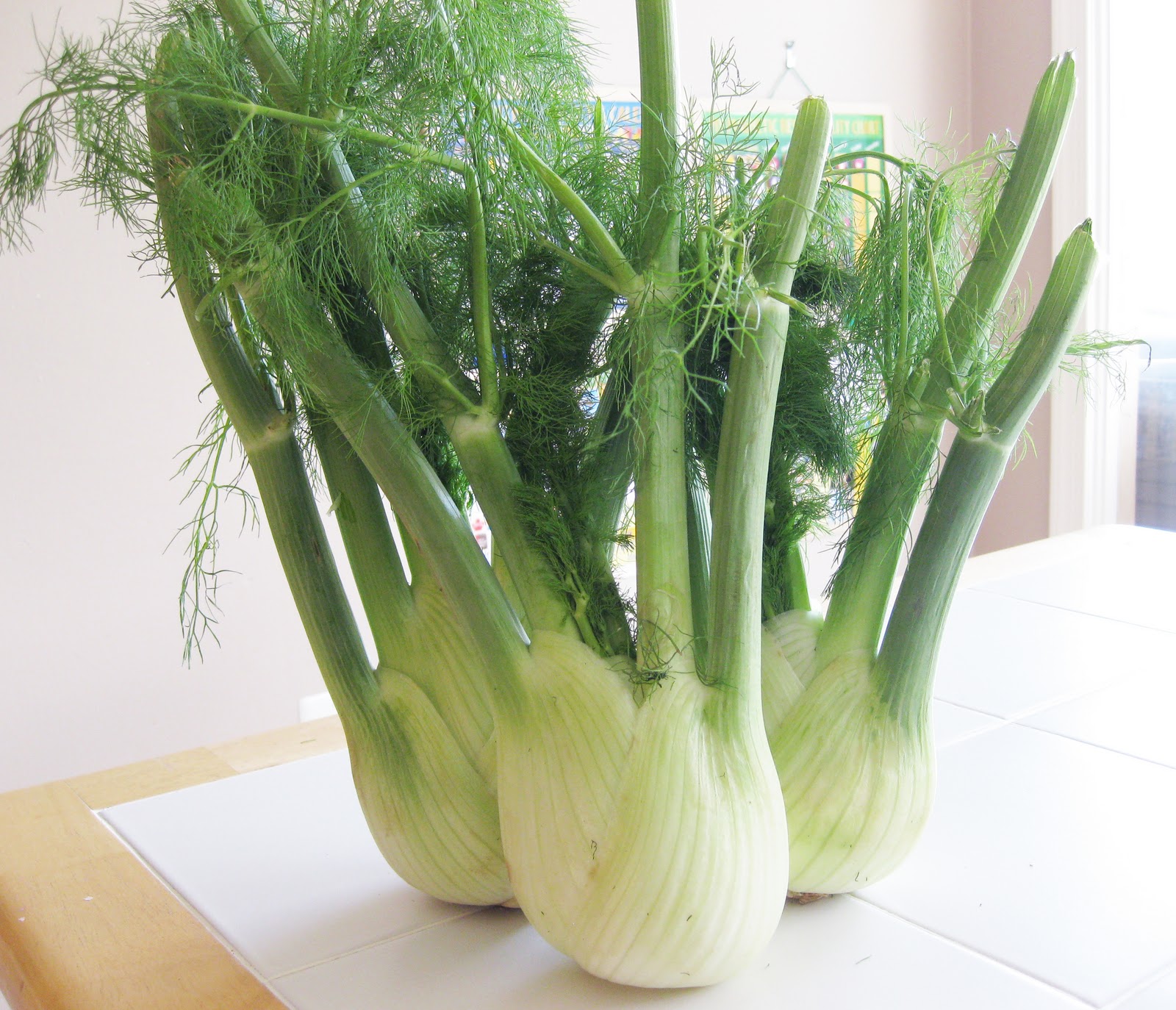
You can grow your own fennel too. There are many benefits to growing your own fennel seeds. It’s a must if you already have a green thumb. Otherwise, the effort in growing your own fennels equals the benefits you will gain from it.
Fennel seeds, like all other herbs and spices, don’t cost much and buying a bottle won’t break your bank. However, needless to say, it would be cheaper to pick them up yourself from your garden than to get them at the store.
If you’re growing them yourself, you can also grow them organically or keep the fertilizers to a minimum and be sure you’re getting them as healthy as healthy goes. It doesn’t amount to much immediately but as many other lovers of all things natural would tell you, the long-term effects are wonderful.
And because all parts of the plant fennel are edible, nothing goes to the bin. You can use every part of the plant you like and never bother about where you could buy fennel seeds again.
You’ll find that a lot of manufacturers and herbalists have already thought of including fennels in every imaginable herbal product. Lotions with fennel seeds are offered in beauty shops along with fennel extracts designed to increase the breast size of women.
Fennel food concoctions are also available. There are fennel dips, fennel ready-to-rub oils for meats and fish and fennel seeds tea bags and tea concoctions. If you want to buy fennel seeds in their raw form, which is more readily available in your local supermarket, you can buy them whole or crushed. There are just so many options available, but with the many ways of including fennels in your diet too, that is just perfect, right?
Practical and Easy to Follow Tips for Growing Fennel Seeds
 With their many uses, fennel seeds have become sine of the most sought after medicinal herbal plants in the world. While some would rather buy them commercially, some prefer to grow the plant themselves. So, if you’re one of those who want to pick fennel seeds right outside your house, in the garden, you’d be pleased to know that growing fennel seeds is easy.
The plant fennel can be planted and grown many ways. You can either plant it on a flat bed of soil in your garden, or you can plant them in a container. If it’s still small, you can keep the plant indoors and just replant it outside when it’s about four inches tall. Planting fennels in a container and putting them inside the house are all possible but it is still best, however, to plant them outside and on a bed of soil from the beginning as they do have a tendency to bolt when transplanted.
 Here are other few things you want to take note of if you want to have your own fennel seed plant growing in the garden:
- Fennels grow best on a cool weather. Cool weather is best for growing fennel seeds as they’re generally inclined to blooming too soon in summer weather. Fennels are, in fact not sensitive to cold and can stand the cold weather of winter. But the seeds develop nicely on a 61-65 degrees Fahrenheit temperature.
- Fennels can live indoors. If it’s impossible to plant them outdoors, you can plant them in a pot and keep the fennel growing indoors provided you give it adequate lighting as a substitute for the sun. You can use either standard, high-output fluorescent lights or compact fluorescent. Hang the standard fluorescent about 2 to 4 inches above the plant. For high-output fluorescent and compact fluorescent, hang the lights 2 feet above for high-wattage lights, or 4 feet above for low-wattage lights. Also fan them occasionally with an electric fan to better stimulate natural environment.
- Plant in the Spring or Autumn. It is best to plant fennel in early Spring or late Autumn. When it matures in warm weather, you get seed stalks instead of leaves. So, timing is important too.
- Fennel wants lots of sunshine and well-drained soil. It can however, still survive on a poor soil, but you mustn’t let the soil get marshy. Water it regularly in dry weather and fertilize it once or two times a day during the growing period. Place it where the sun can reach it and let it bask in the sun every day.
- Harvesting fennel is easy as well. It’s not only growing fennel seeds that’s easy, it’s also very simple to harvest fennels and easier to tell when they are ready for harvesting. When the flowers have dried and died, that’s when you can start picking the seeds out. The stems and the leaves, if you want to use them as spices, can be cut off the plant anytime.
Tips and Guides on How You Can Start Cooking Fennel Seeds
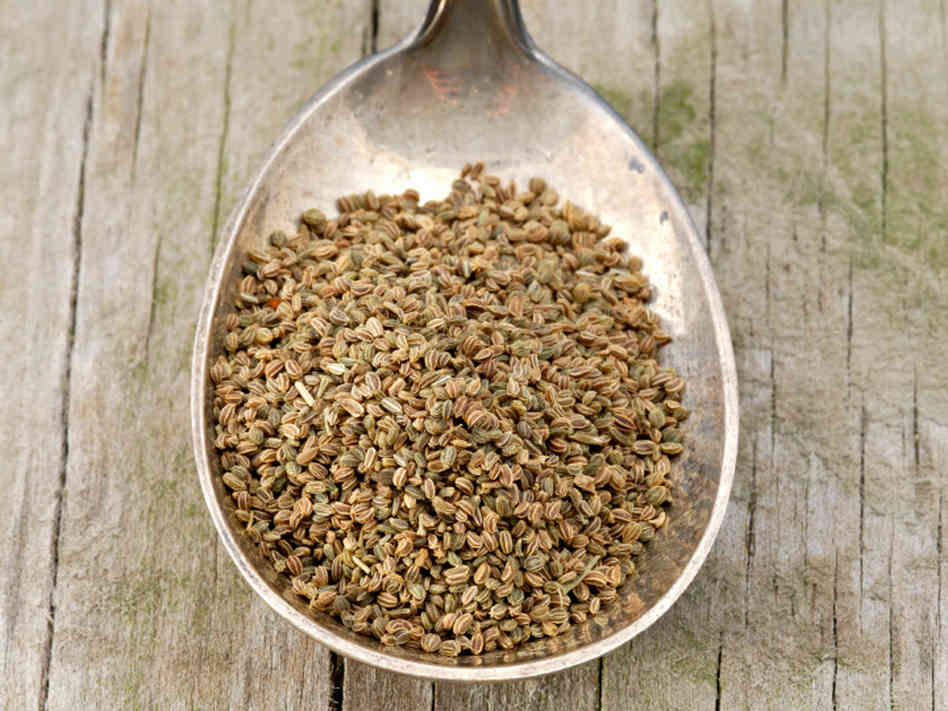
We may only have discovered the wonders of fennel seeds now, but the ancient people of Greece have been cooking fennel seeds for thousands of years. In the UK and other European countries, people have long included them in their meals to aid in food digestion. And in India, it is given after every meal to chew on, like a dessert.
Indeed, there are many benefits in eating fennels. Thus, today, it is little wonder that it’s a staple of many Italian dishes and people from all over the world like to cook dishes with fennels in them. Its characteristic licorice-like flavor goes well with fish dishes, although there are numerous other foods you can use fennels with to make them more flavorful.
Fennel seeds don’t need any preparation at all. You can cook your favorite dishes as usual and just add the seeds.
If, however, you want to bring out the spicier flavor of the seeds and get less of its sweet flavor, you can do one of the following: heat it and then grind it or grind it first then heat it. You can do either way as both seem to bring out the same stronger flavor of the seeds and its rich aroma.
You can grind fennel seeds by using a mortar and pestle or by putting them in a sealed plastic bag first and then pounding away with anything that can be used like a pestle.
To heat the seeds, heat up a pan over medium heat, put the seeds in and toss them around for two to three minutes. You can also toast the seeds if you like and leave them in the pan until they are brown in color.
There are endless possibilities of dishes and foods you can try with fennel seeds. In Scandinavia and Europe, fennel seeds are even used for baking sweet breads and pastries. In Italy, they use fennel seeds in their sausages. Certainly, your imagination is only your limit when you’re cooking fennel seeds.
You can sprinkle the flowers of fennel in your salad or use them in your herbal vinegar. The leaves of the fennel can be used in soups, salads, stews, marinade and dips. You can use it to flavor your meat and poultry. Fennel seeds are also the perfect herb to flavor and spice fish and all kinds of seafood. You can use it when you’re grilling fish by putting them on top of the fish. Here are other ideas you can do with fennel seeds in your kitchen:
- Use it next time you make homemade fish stock
- Mix with soft cheese to make a delicious bread spread
- Include it in your baking ingredients for bread and biscuits
- Add it to your curry sauce
- Flavor all your meat with ground fennels
- Make spaghetti sauce with fennel seeds
- Include them in your pork stews and casserole dishes and have fun cooking fennel seeds.
Recipes
How to Make Soup with Fennel Seeds
Soup with fennel seeds is not only tasty but also very healthy. You can easily make your own soup incorporating fennel seeds. Fennels are herb plants famous for their healing properties and the unique aniseed and licorice-like smell and taste. And because it adds a sweet flavor to any food, fennel seeds can be consumed by eating foods with the seeds in them.
Making a soup with fennel seeds is the popular way to do this. It’s easy to make soups with fennel seeds. Fennels don’t need any special preparation and you can just add the seeds to your soup like any kind of spices. Whether you want it crushed or not is all up to you.
You can use fennel seeds with any kind of soup. Fennels also best complement soups like carrot soups, squash soups, pumpkin soups, mushroom soups, potato soups and many others. Here are a few sample soup recipes you may do yourself and take inspiration from.
BUTTERNUT SQUASH SOUP WITH FENNEL SEED

Ingredients:
- 1 large butternut squash
- 3 tablespoons olive oil
- 2 cups chopped onion
- 1 cup chopped carrot
- 1 cup chopped celery
- 1 tablespoon chopped garlic
- 2 teaspoons apple cider vinegar
- 6 cups chicken stock
- ¾ teaspoon salt
- ¼ teaspoon pepper
- 1 tablespoon fennel seeds
- ½ teaspoon nutmeg
- Slice the squash in half lengthwise and bake it in the oven at 350 until it’s soft and tender.
- Take out the squash from the oven when it’s done.
- Scrape the butternut squash from its shell with a spoon and then set aside.
- Sauté onion, carrot and celery in the olive oil in a soup pot.
- Add the garlic.
- Add the butternut squash while stirring gently.
- Add the chicken stock.
- Cook for about 30 minutes with gentle stirring.
- With a stick blender, puree the soup.
- Add the remaining ingredients: the vinegar, salt, pepper, nutmeg and the fennel seeds.
- You’re now ready to enjoy your soup with fennels in them!
FENNEL SEED CARROT SOUP

Ingredients:
- 230 g peeled carrots
- 1 teaspoon fennel seeds
- 500 ml chicken stock
- Olive oil
- Slice the carrots and then cook it over low heat in the olive oil.
- Add the fennel seeds and cook for about 3 or 4 minutes.
- Add the stock and let it simmer for 15 minutes.
- Puree the soup with a blender.
- Heat the soup again and you’re ready to serve.
CREAM OF FENNEL SOUP

Ingredients:
- 1 teaspoon fennel seeds
- 2 garlic cloves, peeled and chopped
- 100 g butter
- 1 liter chicken stock
- 100 ml cream
- Salt and pepper
- Melt the butter on a pan and then add the garlic when it’s ready.
- Pour the chicken stock and bring to boil for about 15 minutes.
- Add salt and pepper and the fennel seeds and cook it for another 30 minutes on low heat.
- Blend the soup.
- Heat it again and then add the cream.
- You’re ready to serve your soup with fennel seeds!
Easy Fennel Seeds Tea Recipe You Can Do
Wonder why fennel seeds tea recipe is becoming so popular? Fennel seeds tea dishes are always a hit because not only are they rich in flavor, they’re also healthy and definitely a nice substitute for bitter medicines.
Indeed, fennel seeds have been used for thousands of years to treat many kinds of diseases. Its cancer-preventing properties make it an ideal and a good inclusion on anyone’s diet. And the instant and immediate relief it gives to common digestive and respiratory disorders are what make it a must-have in anyone’s pantry.
Already have a good supply of fennels in your kitchen? Well, here are a few ideas you could use on how you can incorporate and include fennels in your diet and make use of every single fennel seed you have in the cupboard.
Recipe 1: FENNEL SEEDS WITH GREEN TEA
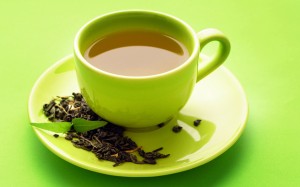 INGREDIENTS
- 1 1/2 cups water
- 1 teaspoon sugar
- 3/4 teaspoon fennel seed, crushed
- 3/4 teaspoon tea leaves (or 1 green tea bag)
PROCEDURE
- Heat the fennel seeds on the water for about 2-3 minutes (Remember that boiling fennel seeds takes away the nutrients off of it, so be careful not to boil it).
- Add the green tea leaves and turn off the heat.
- Add the sugar.
- Add a dash of milk if desired.
- Now you have a fennel seeds tea with a delicious twist! Below is another recipe you may try.
Recipe 2: FENNEL SEEDS WITH CARDAMOM POWDER
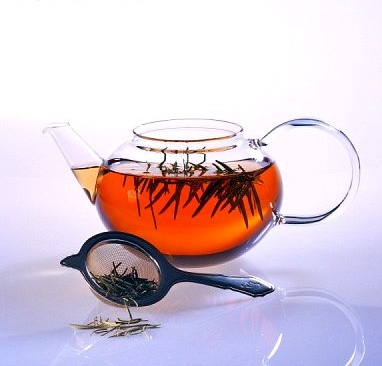 INGREDIENTS
- 1 cup pure water
- 1/4 tsp sugar
- 2 tsp fennel seeds, crushed
- cardamom powder
- milk or cream
- fresh mint leaves
PROCEDURE
- Boil the water (without the seeds).
- Add the fennel seeds, a dash of cardamom powder and sugar and heat over medium fire.
- Turn off the heat and let stand for about 4-5 minutes.
- Strain the mixture and add a cup of milk or cream if desired.
- Garnish with mint leaves and enjoy!
Recipe 3: SWISS CHEESE AND FENNEL SEEDS

INGREDIENTS
- 100 g/4 oz/1 cup plain flour
- 45 ml/3 tbsp fennel seeds, crushed
- 50 g/2 oz/1/4 cup butter
- 75 g/3 oz/3/4 cup Swiss cheese, finely grated
- 1 egg, separated
- salt
- ground black pepper
- water
PROCEDURE
- Sift the flour.
- Add the salt and the pepper.
- Add the butter and stir in the cheese.
- Add the egg yolk (occasionally add some water to come up with a firm dough).
- Knead on a floured surface and form a square with 5mm or ¼ thickness cake.
- Apply some egg whites on it and sprinkle with the fennel seeds.
- Cut it out into squares.
- On a greased baking sheet, bake them in a pre-heated oven at 180 for about 4 or 7 minutes.
- Enjoy!
There you have it! A couple of ways to enjoy your fennel seed tea and a very simple fennel seeds recipe you can easily try at home. Try them now, and see why so many people love fennel seeds tea recipe!
Simple Fennel Seeds Curry Recipes
Love curry dishes? Well, you’re not alone. And if you’re here, chances are you’re probably looking for some fennel seeds curry recipes you can use. If so, you’re in luck! Take a look at the absolutely delectable recipes below and pick your curry dish for the day.
RECIPE I: Eggplant Curry with Fennel Seeds

INGREDIENTS
- 1 large eggplant, about 500 grams
- 2 1/2 teaspoons of fennel seeds
- 2 fresh green cayenne peppers, seeded and chopped
- 1/2 teaspoon of salt
- 1 teaspoon of brown sugar
- 1 teaspoon of ground coriander
- 1 teaspoon of ground cumin
- 1 teaspoon of turmeric
- 5 cloves of garlic (20 grams)
- 1 small onion, finely chopped
- 1 piece of fresh ginger (approximately 20 grams)
- 1 400 gram tin of tomatoes, chopped
- 50 grams of tomato paste
- Olive oil
PROCEDURE
- Sprinkle salt on both sides of thick slices of eggplant.
- Set aside in a strainer for about ten minutes or until no more water is dripping out of the plant.
- On a large preheated pan, add the olive oil and fry each side of the eggplant until golden brown.
- Set aside.
- Blend the cayenne peppers, ginger and garlic in a blender, adding some water occasionally until the mixture is smooth. Set aside.
- Sauté the onion in a tablespoon of oil.
- Add the fennel seeds, coriander, cumin and the turmeric.
- Stir and add the curry paste.
- Mix the tomatoes, tomato paste, salt and teaspoon of brown sugar. Cook for about ten minutes, then add in the cooked eggplant.
- Cook for another ten minutes and serve!
RECIPE II: Egg Curry with Fennel Seeds
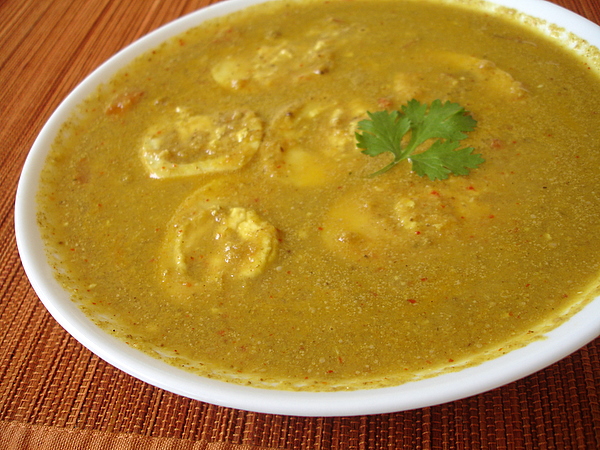
INGREDIENTS
- 4 boiled eggs
- 1 teaspoon fennel seeds
- 4-5 red chilies
- 1/2 cup tomato
- 1 teaspoon coriander seeds
- 4-5 cloves
- 2/3 cup fresh/frozen coconut
- 1/2 cup onion
- 1 inch piece cinnamon
- 3-4 strands coriander leaves
- Salt
- Oil
PROCEDURE
- On a preheated pan, add the oil.
- Add cloves, coriander seeds, fennel seeds, red chili, 1/4 cup onion pieces and cinnamon. Cook while stirring until the onion turns golden brown.
- Add 1/4 cup tomato pieces and the coconut. Cook for 4-5 minutes more.
- Turn off the heat and grind the mixture.
- On another pan, sauté the remaining onion.
- Add the ground mixture
- Season with salt, and then add tomatoes and eggs when it boils.
- Cook until the tomatoes are soft and then garnish with the coriander leaves.
- Enjoy!
RECIPE III: Chicken Curry With Fennel Seeds

INGREDIENTS
- 2 chicken breasts, skinned and cut into 1 inch pieces
- 1 teaspoon fennel seeds
- 1 tablespoon coconut
- chopped fresh coriander leaf
- 1 inch piece fresh ginger, chopped
- 1 teaspoon turmeric powder
- 1 small onion – finely chopped
- 1.5 inch piece cassia bark or cinnamon
- 2 cloves garlic – very finely chopped
- 2 green cardamom pods
- 4 whole cloves
- 3/4 teaspoon good chili powder
- 5 tablespoons full cream yoghurt
- 1 teaspoon tomato purée
- 1 teaspoon ground coriander seed
- 3 tablespoons vegetable oil
- salt
PROCEDURE
- Sauté onion on a preheated pan with oil.
- Add the cardamoms, cloves, cassia and fennel seeds and cook for ten minutes on low heat.
- Add the ginger and the garlic and cook for another 10 minutes.
- Season with the turmeric, 1 tablespoon of yoghurt, coriander and chili powder and then turn the heat up, occasionally adding yoghurt.
- Add the tomato purée.
- Add hot water and bring to boil. Let it simmer for 20 more minutes. Season with salt.
- Stir-fry the chicken on another pan over medium heat and then add the chicken to the mixture.
- Cook for 20 -30 minutes, stirring occasionally before adding the creamed coconut. Garnish with coriander leaf and serve! Try any of the fennel seeds curry recipes now!

@yourkefirsource
Giselle
Latest posts by Giselle (see all)
- The Magic of Damiana - July 15, 2015
- Baobab Cosmetics | An Increasing Market For The Cosmetic Industry - June 21, 2015
- Baobab | The New Super Tree - June 15, 2015

[…] While the men may greatly benefit from the uses of ginseng, woman may have their share of positive effects as well. Ginseng works smoothly to lessen the distress experienced by women from menstrual cramps. Taking American Ginseng tea may lessen stomach pain commonly associated with women during their time of the month. […]