Post Contents
- 1 Introduction to Ginseng
- 2 The Health Benefits Of Ginseng | Specific Uses Or Ailments
- 2.1 Ginseng For Memory Enhancement
- 2.2 Taking Ginseng For Libido Problems
- 2.3 Stress Relieving Ginseng For Insomnia Treatment
- 2.4 Using Ginseng For Headache Relief
- 2.5 The Wonder Of Ginseng For Erectile Dysfunction Treatment
- 2.6 Taking Ginseng For Diabetes Treatment
- 2.7 The Calming Effects Of Ginseng | Depression Treatment
- 2.8 Amazing Ginseng For Cancer Prevention
- 2.9 Stress Relieving Properties Of Ginseng For Anxiety
- 3 Different Forms Of Ginseng And Their Benefits
- 3.1 The Invigorating White Ginseng
- 3.2 The Healthy Promises Of Sun Ginseng
- 3.3 The Cure All Red Ginseng
- 3.4 Qi Balance With Si Jun Zi Tang
- 3.5 Ginseng Tea | Benefits And Uses
- 3.6 Using Ginseng Powder And Its Benefits
- 3.7 Revitalize With Ginseng Leaf Remedies
- 3.8 Taking Ginseng Extract As Supplements
- 3.9 Why Use Ginseng Cream On Your Skin?
- 3.10 Fresh Ginseng Root | Live A Healthy Life
- 4 All About Buying Ginseng
Introduction to Ginseng
What Is Ginseng? | In A Nutshell
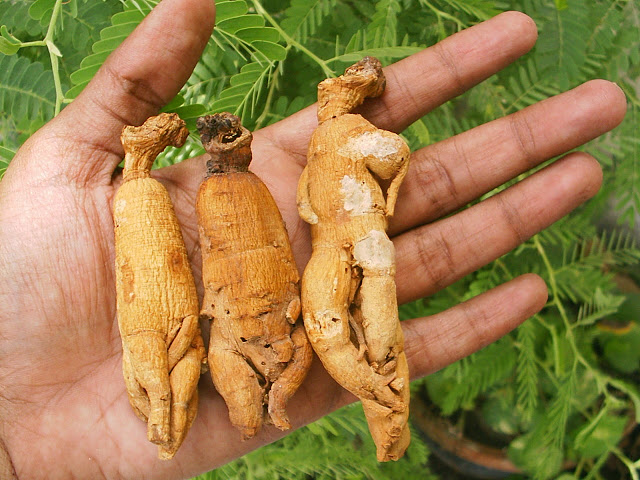
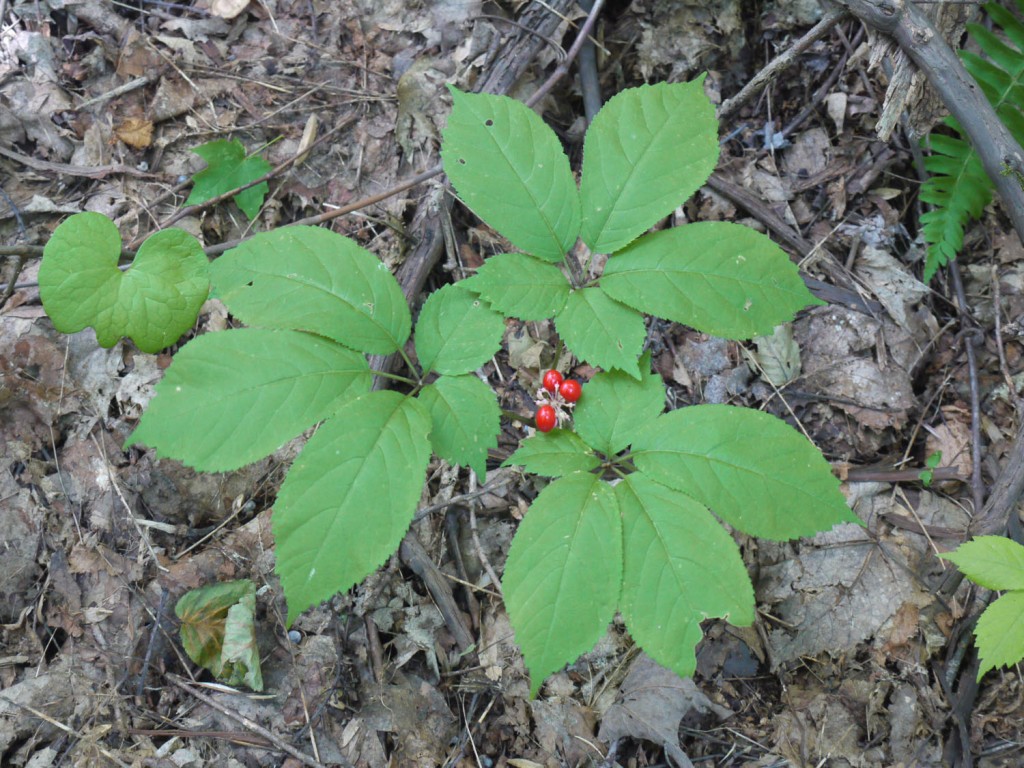
What is ginseng really and how does it help the body? The term “ginseng” is derived from the Chinese word “renshen”, which means ‘man-shaped root’. The root of this plant is deeply forked and resembles little humans with a profusion of limbs. Ginseng also has small group of compound leaves found above ground with unique red berries as their fruit. They are typically harvested in cooler climates.
There are several species of ginseng, which means that a plant must be one of the eleven species of Panax genus to be considered true. There are three main kinds of ginseng — Oriental Ginseng, American Ginseng and Siberian Ginseng. While all three kinds share common elements, there are still some differences among the three.
As the name suggests, Oriental Ginseng is widely grown and used in Asian countries such as China and Korea. Red ginseng is the most popular choice of Oriental ginseng for the Koreans. However, the shade of red produced by Asian ginseng is a result of the processing of the root. If oriental ginseng is allowed to dry on its own, it would naturally turn white.
With the scientific name Panax Quinquefolium, American Ginseng is widely harvested in mountainous regions in the United States. Although this white or yellow ginseng originated in North America, this same herb is also being cultivated in other countries such as China.
Siberian Ginseng is technically not a ginseng, but rather a distant cousin of the Oriental type of ginseng. This type of ginseng is easily cultivated and is sold at a much lower price than that of the others. Siberian ginseng plants are commonly cultivated in places such as Russia and China.
Ginseng is commonly used as a source of energy as many swear by its ability to act as a stimulant. Ginseng is also considered as an adaptogen which means that it helps the body deal with stress and fatigue. Other health benefits of ginseng include the prevention of diabetes, anemia, asthma, tuberculosis and coughs. Many multivitamins in the market today then have ginseng components in their mixture.
The same root is also believed to enhance mental abilities and memory. Centuries of using ginseng have also proven its use as an aphrodisiac. Although the answer to which type of ginseng is used for herbal medicine varies, Oriental and American roots are said to be the most effective ones when it comes to offering health benefits.
Although ginseng was said to have been used in Chinese traditional medicine for centuries, it is beginning to become popular in the West as well. Ginseng products take on a variety of forms such as tea, powder, cream and capsules. Some even prefer to simply chew on the slightly sweet and licorice-flavored root. Ginseng roots are the most widely available part of the plant in fresh and dried form but some specialty stores offer leaves as well.
Taking A Look At The Positive Effects Of Ginseng
So what are the effects of ginseng?
Well, it can help regulate blood sugar, for one thing. The benefits of ginseng for those suffering from diabetes is well known as it has become an increasingly important factor in giving hope to those with the condition. Research has shown that those taking American ginseng had improved post-meal blood sugar levels.
While most of these studies about ginseng were made of the ginseng root, some studies show that the ginseng berry offers more glucose-lowering benefits. Similar to the function of ginseng for diabetes, the same root may also be an effective measure for weight control and obesity. Drinking ginseng tea works best for such purposes as it is a natural appetite suppressant.
Ginseng has long been used as an adaptogen—these play an important role in reducing stress and fatigue in a person’s body. Consequently, the root may also boost energy levels and increase one’s stamina. But compared to drinking caffeinated products, ginseng has a soothing effect on the taker, making it a great way to restore energy and stamina lost. In addition, ginseng also helps strengthen the immune system of a person. Aside from such functions, ginseng also improves memory and arithmetic abilities. Ginseng tea in particular may act as a stimulant for the brain cells that help improve a person’s concentration.
But if there is one thing that ginseng is mostly popular for, it will be its properties that help the male sexual function. Ginseng basically enhances the male libido. Ginseng tea may help men lessen the symptoms of sex-related conditions such as erectile dysfunction. Asian ginseng from Korea has long been used for such purposes. However, it may be better to discuss taking ginseng with your doctor as it may interact with other drugs or may cause undesirable reactions.
While the men may greatly benefit from the uses of ginseng, woman may have their share of positive effects as well. Ginseng works smoothly to lessen the distress experienced by women from menstrual cramps. Taking American Ginseng tea may lessen stomach pain commonly associated with women during their time of the month.
Other health benefits of ginseng include detoxification of the skin as it gets rid of the free radicals that accumulate in the body. Topical use of ginseng also helps skin look healthy and glowing. Plus, research is underway about the use of ginseng for cardiovascular support.
Uses Of Ginseng | How To Eat
 Ginseng is considered a medical herb which is why many would assume that ginseng products are taken in the form of proper medication. Surprisingly, the uses of ginseng usually involve cooking and making tea.
Ginseng is widely used as an added ingredient in making soup, with chicken soup in particular. A few ginseng roots or a handful of ginseng slices are added to the soup to simmer for a couple of hours. When the root softens, it can either be mashed or added to the soup or may even be eaten on its own.
Fresh ginseng roots and ginseng slices are often added to stir-fried dishes, especially in a variety of Chinese dishes. Chefs from all over the world can get creative: there are recipes that suggest how to deep-fry, stew, brew, broil or even microwave ginseng roots and slices to make a wonderful dish. Ginseng powder, on the other hand, is often used in baking items or can be sprinkled over a salad.
Surprisingly, eating raw ginseng root is possible as well. Washing the root thoroughly is a must to rid of any dirt and bacteria. Steam the root for 10 minutes to soften it up. Cut the root in slices and consume while still warm. Many people are fond of dipping the slices in honey or something sweet or savory. Eating just two slices of ginseng root a day may already yield the full benefits of ginseng.
Among all of the ginseng products in the market today, ginseng tea is probably the most popular. Ginseng tea may be taken from the entire ginseng root or its tea leaves. Breaking down the tea into smaller pieces would be best so the tea would not have to simmer for a long period of time. Ginseng slices however, would be much more convenient because they are ready to use. A standard duration of 4-5 minutes of submersion would do to attain the tea but this will still depend on how strong you would like your tea to be. The ginseng tea may also be used for 2-3 cups a time, and eaten if desired. While ginseng tea may not produce the most pleasant taste, some are fond of adding other types of tea in the mixture to attain a better-tasting drink.
Ginseng capsules are another form to consider for those who are not used to cooking ginseng, or not used to cooking at all. Taking ginseng in pill form will also be a lot more convenient, especially when taking the herb for its medicinal purposes. Most importantly, make sure you are consuming ginseng of good quality, not only with ginseng capsules but with all other ginseng products as well.
Dealing With The Side Effects Of Ginseng
 Ginseng is not without its dangers. The side effects of ginseng cannot be undermined and should be treated with respect at all times.
Although there is a thin line between a ‘therapeutic effect’ and a ‘side effect’, side effects basically mean an unwanted effect of a certain substance or compound. Side effects may be consistent throughout the duration of use or may be a rare occurrence that will only affect a user or two.
The most common side effects experienced by people taking ginseng are insomnia and nervousness. This effect is usually reported by people who take in ginseng in consistent and large doses. Insomnia is also likely to happen when ginseng is taken too close to bedtime. Although such effects may not sound too threatening, the inability to sleep for more than two days may be very dangerous.
A well-known benefit of ginseng is its ability to lower blood sugar levels. However, this may be the same reason why people with diabetes should take ginseng with care. Ginseng supplements may extravagantly lower glucose levels given that a patient is already on diabetic medication.
Ginseng is also said to interfere with blood-thinning medications as it may decrease its effectiveness. Although a rare occurrence, those who are apparently allergic to ginseng will experience asthma attacks such as tightness in the throat or chest pain. In some cases, elevated blood pressure levels may also come into effect. Other problems with ginseng may include palpitations, restlessness, anxiety, euphoria, vomiting, diarrhea, headache, nosebleed, skin hives, rashes, and vaginal bleeding.
The amount of ginseng as the active ingredient will vary from brand to brand. Checking brands is then very important to be able to determine the quality of ginseng involved. The most expensive brand, however, does not mean it contains the most amounts of ginseng actives. The DFA does not regulate herbal supplements, so make sure to take caution when taking ginseng by consulting your doctor about trusted ginseng products and brands.
Ginseng is a cycle herb which should only be taken for a certain period of time. Long and consistent periods of use are not advised as extended use and strong doses may lead to unbearable side effects. The best thing to do is to consult a medical professional to give you the right prescription. Like most modern medicine products, children, pregnant and nursing mothers should avoiding taking ginseng altogether.
The Health Benefits Of Ginseng | Specific Uses Or Ailments
Ginseng For Memory Enhancement
 To prove that there are natural ways to improve brain function, studies have been using ginseng for memory enhancement treatments that can help with several diseases such as cancer, diabetes, Alzheimer’s and dementia. This is because ginseng root has recently been associated with memory-boosting potential.
Ginseng is rich in vitamin B complexes, Vitamin A, K and D as well as several phytosterols, amino acids, peptides, antioxidants, essential fatty acids and ginsenosides, the important component that makes ginseng unique. The triterpene saponins Rg1 group, which comprises the health benefits from ginsenosides, is responsible for improving brain performance, spatial learning, protecting the brain from memory impairment and enhancing cognitive function.
Clinical studies have been conducted on test subjects who suffered from stroke-induced dementia. It is said that dementia or memory loss consequently happens after a stroke. According to reports on this study, after administering treatments with ginseng to the test subjects, promising results based on the improvement of memory scores indicate that ginseng does have curative abilities in restoring fractured memories under supervised and regulated dosage and treatment.
Another study was been conducted in treating elderly people with Alzheimer’s disease. Results include improvement on memory and temperament among test subjects, basing these positive effects on the calming and restorative properties of ginseng.
However encouraging the results of the clinical studies show, further and larger clinical investigation is required to prove ginseng’s potential to be used as a confirmed treatment for memory loss and other cognitive related diseases or disorders.
Considering that ginseng is non-toxic, people are nevertheless confident in availing themselves of products with the wonder herbal root. Its efficacy is dependent on regular consumption of the herb. Even if one is not diagnosed with dementia or any cognitive disorders, taking ginseng as an herbal supplement can help. This means that using ginseng for an upcoming important exam or event may yield positive results.
There is an undeniable interest in studying the different herbs used in alternative medicine. Although using ginseng for memory enhancement therapies still has a long way to go, ginseng may be only one step away from being a veritable treatment for those who are in great need.
Taking Ginseng For Libido Problems
 Libido, or a person’s sex drive, is usually based on psychological, sociological and biological factors that can be a deterrent on a person’s healthy life. Imbalances in a person’s sex drive can easily create a disharmony in their disposition. This then urges people to seek out ways on treating and balancing the hormones that affects libido. In answer to this condition, nature provided a natural means by giving humans the plant root ginseng for libido problems.
The desire to have intercourse, associated with the basic instinct to procreate, has been an aspect of human sexuality that varies from person to person. The general desire to have intercourse is one of the bases in the formation of intimate relationships in different sexes and the lack of it can create a negative impact on a relationship. The environment greatly contributes to the different factors that affect a person’s libido. Family, work, stress, hormones, health problems, fatigue, pain, negative attitudes and personality are factors in which libido may be affected.
There are different kinds of libido problems. There are those who experience hypersexuality or increased sex drive and are frequently engaged in having intercourse. There are also those who have a great desire to have intercourse but have no means to act upon it due to several reasons related to health, religion, personality or social norms. There are then asexual people who lack any such sexual desires.
Ginseng is known as an adaptogen that has calming and relaxing properties. In order to create a harmonious balance of hormones, which is a determinant in the state of libido, ginseng can be taken in as tea, pill or food supplement. Red ginseng, which is popular among men since the 90s, is recommended for men and women suffering from low libido and for erectile dysfunction.
There are clinical studies that support ginseng’s claim as a fertility advocate. The restorative properties of the ginseng root promotes a healthy reproductive and endocrine system. It is considered to be a sex rejuvenator and aids in boosting erections among males who are suffering from the inability to maintain an erection throughout intercourse. Ginseng improves the motility of sperm, making it flow freely, and thus boosts fertility. Women going through menopause may also benefit from ginseng’s calming properties, also, with its ability to regulate hormones and blood circulation.
The effectiveness of red ginseng will show or be experienced after taking it regularly until the person’s libido improves. Discontinuance after long-term treatment with ginseng and controlling dosages are recommended by physicians. There are several side effects that might result if ginseng is taken continuously for months without stopping. These side effects include restlessness, elevated blood pressure and heart rate, insomnia and headaches.
Ginseng is all natural and non-toxic which means that most side effects are mild compared to that of synthetic drugs. However, it is still wise to consult a doctor before taking ginseng for libido treatments, especially when under medication for other conditions. There are certain drugs that do not go well with ginseng and may create some interference. Caution is always advised.
Stress Relieving Ginseng For Insomnia Treatment
 Insomnia is a sleeping disorder usually related to stress and characterized by difficulties in sleeping and staying asleep. Generally thought of as a sign and a symptom of some deeper issue, insomnia is a persistent medical and psychiatric condition that can occur at any age. It can cause great distress to a person as well as other symptoms that may affect body functions and energy levels. Being unable to sleep or having interrupted rest has then forced people to look for natural ways of treating the disorder. Ginseng is just one of the many herbs being investigated here.
Traditional Asian and Native American medicine has used the health benefits of the all-healing, man-shaped herbal root for centuries. Ginseng originated and is cultivated in countries with colder climates such as Siberia, China, Korea, Japan and some parts of North America. It grows with evergreens or is nestled among beech, basswood, rock elm, butternut and maple trees in shady woodland areas.
Sleeping disorders are often caused by stress and fatigue. Ancient medicine believes that insomnia is caused by kidney disorders and internal imbalances concerning hormones and the four “humors” or body fluids, namely: blood, black bile, yellow bile (choler) and phlegm. An imbalance between these four can lead to dysfunctions and diseases. Insomnia is one of the dysfunctions caused by the imbalance inside the body.
If a person cannot sleep well because of nightmares accompanied by sweating, elevated heart rate or heart palpitations and constant worrying, it is recommended to take ginseng tea or use ginseng aromatherapy oil to relax the body and the mind. As incense and massage oil, ginseng’s calming properties may also be accessed to help in relaxation in order to have restorative and undisturbed sleep.
Acupuncture & acupressure, meditation, yoga and hydrotherapy have been recommended in treating insomnia in a natural way. The inclusion of ginseng tea as an herbal remedy contributes to the calming and relaxing atmosphere adherent to a nice, restful sleep. The calming and stress-relieving properties of ginseng are connected to the levels of ginsenosides, specifically the triterpene saponins found in the root of the Panax plant. These saponins balance the chemicals in the brain and normalize blood pressure and blood sugar and heart rate levels that are some of the determinant factors in achieving proper sleep.
Ginseng’s popularity as an all-natural and non-toxic remedy has been of great help in the promotion of living healthy lives. The desired positive results can only be experienced or seen after regular consumption or use of ginseng, either as tea, food supplement, extracts or aromatherapy oil. Oral dosages must be regulated to avoid certain side effects, however mild they are from happening. Consulting a doctor is recommended, especially when the person is already under prescribed medication. There is a chance that taking ginseng together with other drugs may create some interference, most especially in cases concerning anti-depressants.
Using Ginseng For Headache Relief

Headaches are one of the most common troubles people are plagued with. Headaches can be triggered by almost anything. As an act to balance life in this world, nature gifted humans with ginseng. A promoter of great health, the use of ginseng for headache relief has been a traditional home remedy that has been around for centuries.
Ginseng’s popularity is not just in the Orient but also in North America where Native Americans have known the secrets of this wonder herb for hundreds of years before. Ginseng is a creepy looking, human-shaped herb that is usually nestled among evergreens or found among beech, elm rock, basswood and maple trees in shady wood areas.
Headache, a debilitating condition, is categorized into eight different types: acute headaches, migraines, tension headaches, sinus headaches, mixed headache syndrome, chronic progressive headaches, hormone headaches and cluster headaches. Ginseng has then been used as an herbal remedy for the common types of headaches such tension headaches and migraines.
The stress-relieving properties present in ginseng is attributed to ginsenosides. These are the active components present in ginseng, which have high levels of triterpene saponins that are responsible for the calming and balancing effects in the brain. This then allows for the promotion and restoration of brain performance relieving people from headaches and enhancing cognitive functions.
Rich in different B vitamins such as biotin, chlorine, peptides, fatty acids, essential oils, antioxidants, phytosterols, anti-aging components and minerals, ginseng normalizes blood pressure and blood sugar levels. It also controls the cholesterol levels inside the body and equally distributes energy to combat stress and headaches. Considered to be a natural herbal remedy, ginseng is non-toxic as it protects the body from external factors that trigger headaches. It also helps in coping with the different stresses in life without the added worry of adverse effects brought about by synthetic drugs.
Although there are some side effects in taking ginseng, they are mild and they are usually associated with longer periods of consumption and misuse. It is highly recommended to take ginseng for less than three months to see the desired results. Overdosing is known to cause diarrhea, elevated blood pressure levels, dizziness, nervousness and insomnia. Occurrences of these side effects are rare and only happen when ginseng is taken and administered in an incorrect way.
The Wonder Of Ginseng For Erectile Dysfunction Treatment
 Ginseng can also be used for erectile dysfunction treatment. In traditional Asian medicine, ginseng is known to improve and restore the reproductive system. Apart from being famous for cancer prevention, ginseng promotes fertility and has erectile enhancing functionalities. This is due to the presence of high levels of ginsenosides in it.
Ginseng root that has matured longer and has been treated to longer drying and heating methods has increased levels of ginsenosides. That is why red ginseng and sun ginseng have higher levels of these unique components and is subsequently being used as an effective natural remedy for erectile dysfunction and other sex-related dysfunctions. This functionality is due to the triterpene saponin complex RB1 group. Studies show that ginsenoside Rc can affect the motility of sperm, increasing the sperm’s ability to actively move spontaneously with regular intake of ginseng as tea or as food supplement.
Scientific studies show that red ginseng is a widely available alternative treatment for men suffering from the inability to maintain an erection during intercourse. It has then become a much advisable remedy for those who are not comfortable taking sildenafil (Viagra), tadalfil (Cialis) or vardenafil (Levitra).
In a clinical study reported in the Journal of Urology in 2002, a total of forty-five male test subjects plagued with erectile dysfunction were given ginseng for a period of eight weeks and showed great improvement in maintaining an erection compared to those who were given placebo. Another clinical study involving ninety males with erectile dysfunction, wherein sixty were given ginseng and the other thirty were given placebo, showed that the sixty males demonstrated more improvement with their condition compared to the other thirty.
Positive results can only be achieved with regular consumption of ginseng. Regulated dosages should also be followed. Red ginseng is available as tea, extracts, capsules and powdered food supplement. All of these have instructions and recommended dosages written on the labels which should all be strictly followed.
Taking Ginseng For Diabetes Treatment
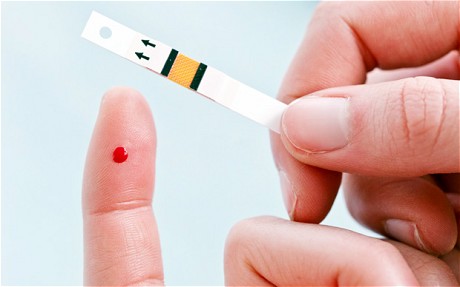 Then there is the value of the herb for diabetics. More and more clinical studies involving ginseng for diabetes treatment have been conducted in recent years.
Red ginseng and sun ginseng are among the forms of ginseng that have higher levels of amino acids, peptides and triterpene saponins. These are the most active components of ginseng that aid in lowering cholesterol, normalizing blood sugar levels and enhancing brain functions among other things.
Because of the hypoglycemic activity dependent on the levels of glycopeptides present, the ginseng root increases the insulin production and reduces the death of cells in pancreatic beta-cells. In fact, American ginseng in particular, is said to have the ability to decrease blood sugar or blood glucose levels among patients with type II diabetes.
Positive results can be experienced or seen after daily intake of ginseng: about 1-2 grams as an herb or powdered form or 200 mg as an extract. Dosages must be regulated for patients with type I and type II diabetes and can be reduced until the glucose level becomes normal. With type I diabetes, it is recommended to take ginseng together with insulin therapy, and after some time, patients might be able to reduce the required insulin shots.
Ginseng is believed to be of more effective use as prevention rather than a cure for diabetes. Clinical studies have indicated that red ginseng has shown great potential in improving insulin and glucose regulation in the body. But while the world waits for the claims to become a fact, the centuries-use of ginseng may be enough verification of its effectiveness.
The Calming Effects Of Ginseng | Depression Treatment
 The use of ginseng for depression treatments may not have scientific proof accepted by the conventional medical world just yet, but many people also swear by this use of the herb now.
This root plant has a calming effect that relieves stress and heat from the body. In addition, ginseng balances the chemicals in the brain and blood as well. The calming effect of drinking ginseng tea or sprinkling processed powdered ginseng on food is attributed to the presence of ginsenosides after the heat processing of ginseng. Drying under the sun, maturity or heating at a particular high temperature will set the level of ginsenosides present in the form of ginseng available in the market. The longer the ginseng root has been treated with heat, the higher its ginsenoside content. Therefore, red ginseng and sun ginseng have more potent levels of antioxidants and ginsenosides compared to white ginseng since they go through longer heating and drying processes.
In a study conducted for cancer treatment, the energy boosting and sedative functions of ginsenosides were responsible for lowering feelings of anxiety as well as uplifting extreme feelings of sadness from test subjects. It took regular consumption of ginseng to see positive results.
Amazing Ginseng For Cancer Prevention
 Then there is ginseng’s value as a preventative against cancer. Being the most commonly diagnosed type of cancer among women, breast cancer has affected one out of eight women in North America alone. The development of breast cancer greatly depends on estrogen hormones that stimulate the growth and development of cancer cells in the body. Ginseng is rich on ginsenosides, which are also known to be phytoestrogens. Ginsenosides inhibit the cell growth and cancer cell toxicity, reversing the transformation of the cancer cells and restoring the cells into its normal properties and appearance. Since ginsenosides have a steroidal structure, the root is believed to be more effective to battle hormonally-regulated types of cancer such as breast cancer.
Since the efficacy of ginsenosides is dependent on the process or methods used in cultivating ginseng, forms of ginseng that go through more time to dry or mature have higher effectiveness in battling cancer. Apart from ginsenosides, red ginseng has falcarinol, which is a potent anti-cancer diyne fatty alcohol that can also be found in carrots. This component gives red ginseng a high probability of controlling the spread of mammary epithelial or breast cancer cells.
Stress Relieving Properties Of Ginseng For Anxiety
 Ginseng can be used for anxiety as well. Anxiety can be a result of stress, chemical imbalances in the brain, malnutrition or a traumatic experience. These imbalances can trigger extreme sadness and other anxiety-related symptoms. If untreated, anxiety or depression can be a very debilitating mental disorder that can cause a lot of harm in a person’s everyday living. The crippling effects of anxiety can lead to a more harmful mental state that no amount of treatment can cure.
In view of such conditions, nature provided man with ginseng. Known in the world of home remedies as a stimulant, adaptogen and aphrodisiac, ginseng has calming and invigorating properties that have been identified as a natural remedy. Ginseng balances and normalizes the disturbances caused by different stressors to homeostasis, which is the internal environment of the person’s body. Being an adaptogenic herb, ginseng is used to treat the different stress-related symptoms associated with depression and anxiety.
Ginseng’s anxiety-suppressing function and stimulant properties can show great results after repeated consumption of it as tea, food supplement or powder form. It can even be mixed with food for a period of a week to a month.
Since prevention is better than cure, regular intake of ginseng can promote a balance in both the physiological state and mental state of a person. Even if a person is not suffering from depression or anxiety-related symptoms, regular consumption of ginseng will help prevent these signs and symptoms and promote a balanced and healthy disposition.
Different Forms Of Ginseng And Their Benefits
The Invigorating White Ginseng
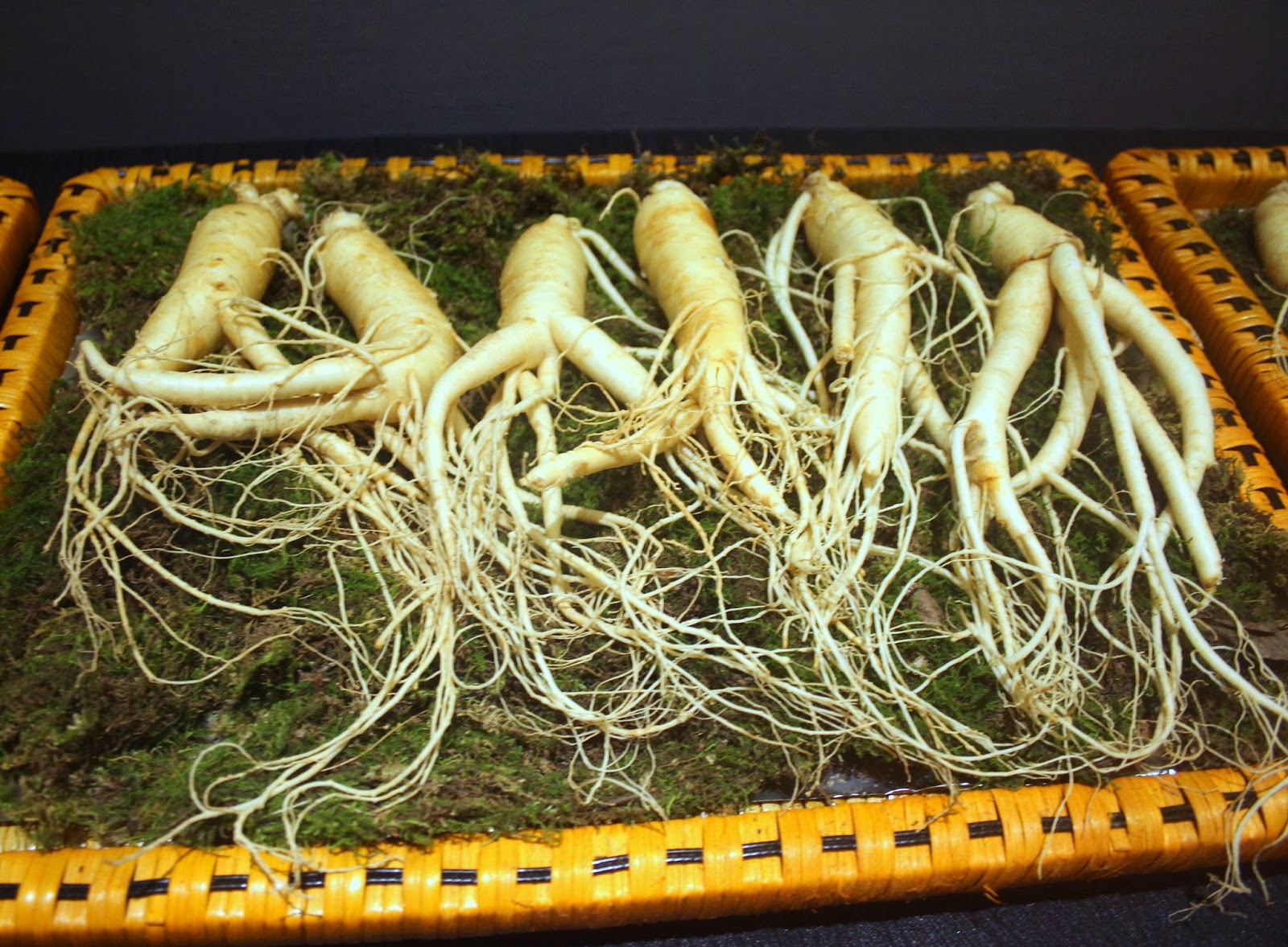
Many people do not know that white ginseng is the same as dried ginseng. This wild, man-shaped looking root is generally light tan or flesh in color. Processing white ginseng starts with peeling the ginseng root and drying it under the sun to reduce the water content to twelve percent or less. During the drying process, the sun bleaches the root and turns it into white, hence the name “White Ginseng”.
The longer the ginseng root stays under the sun, the darker it turns. From white, it turns into red ginseng and eventually into black ginseng. The bleaching process also allows the breakdown of the enzymes responsible for many the curative properties of ginseng.
Known for its cooling effect, white ginseng is used as a home remedy for curing fevers or dispelling heat from the body, specifically from the lungs and other internal organs. Regular consumption of ginseng as tea or food supplement will promote a balance of temperature in the body, subsequently bringing a calming and stress relieving effect.
Other than being used for cancer prevention, white ginseng is also a stimulant and an adaptogen. It has a calming effect on the body and mind while also stimulating brain and immune system function.
Recent studies also show that white ginseng can be used as a restorative herbal treatment for problems in the reproductive system. It also helps in curing erectile dysfunction among men and help treat patients with wounds. However, the therapeutic quality to cure erectile dysfunction is not as potent in white ginseng compared to the effects provided by red ginseng.
Because of its calming and stress-relieving effects, white ginseng has become a regular feature in many beauty products. It has been known to be one of the primary components in many shampoos, lotions, face creams, shower gels and bath oils.
White ginseng, in its most natural form, is not as expensive compared to red ginseng, making it more popular among herbal medicine enthusiasts. The lower price is due to the shorter processing time needed in cultivating white ginseng. However, the general curative properties of ginseng are not lost in it. While the same ginsenosides are still present in white ginseng, the potency is lower compared to red ginseng or sun ginseng.
The Healthy Promises Of Sun Ginseng
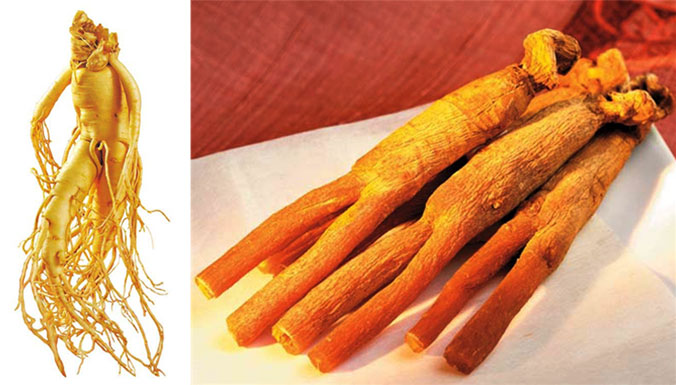 Sun ginseng is another form of the Asian ginseng root made through a heat or steam processing method that increases the potency of the ginsenoside properties found in ginseng. The process lasts for three hours at an approximate temperature of 120 degree Celsius or 248 degrees Fahrenheit. Because of the increase in steam temperature, sun ginseng has an amplified efficacy of ginseng’s unique components, said to have more than double the effectiveness compared to red ginseng.
Traditionally cultivated where white ginseng can be found, primarily in Korea, Siberia and some parts of North America, sun ginseng is synonymous with treatments concerning hepatobiliary cancer and gynecologic cancer. Because of the high oxidative stress levels involved in the processing of sun ginseng, an increase in superoxide, nitric oxide, peroxynitrite and hydroxyl radicals will occur that may aid in the battle against cancer.
As ginseng is well known for cancer prevention, sun ginseng seems to back up this claim. Scientific studies concerning the different curative effects of sun ginseng have yielded results with positive effects on treating cancer patients. Studies also indicate that regular intake of sun ginseng extract or tea resulted in suppressing the development of cancer cells in the body. In addition, the same substance promotes resistance to certain debilitating effects of free radicals in the body.
Sun ginseng has also been found to have a beneficial impact in improving mental functions that usually accompany cancer. Studies show that compared to placebo, sun ginseng produces an improvement on a cancer patient’s disposition. After twelve weeks of treatment, the test subjects display no evident adverse side effects associated with the intake of processed sun ginseng unlike taking synthetic drugs that deliver more negative side effects than the cure itself.
Further studies are also hinting at sun ginseng’s restorative properties on the liver. Japanese researchers have noted that because of the high intensity of the steaming process involved in manufacturing sun ginseng, the method increases the lipopolysaccharide (LPS) toxicity component of the herb. Since there is a connection between the Rg-specific ginsenosides, antioxidant components and hepatoxicity activities present in sun ginseng and liver activity, there becomes a high possibility that sun ginseng can affect the lipopolysaccharide (LPS) liver toxicity.
The Cure All Red Ginseng
 There is also red ginseng. Red ginseng is primarily cultivated in Korea and is a ginseng root that has been heated through steaming or sun-drying. Red ginseng is usually marinated with an herbal mixture that turns the root brittle. It contains more active elements compared to other types of ginseng roots since it takes about six years to mature before being ready to cultivate. It also takes at least a ten year interval between harvesting, making it potent and rich in acetylenic fatty alcohols such as panaxytriol, panaxacol and panaxydol. These fatty alcohols are believed to have antibiotic properties.
Red ginseng has much the same effects as white and sun ginseng, although it is arguably more powerful in its benefits. In recent studies, red ginseng was reported to reduce the probability of getting cancer. Studies show that the ginseng root can reduce the relapse or occurrence of gastric cancer. Combined with a highly active antiretroviral treatment, red ginseng can help HIV-1 infected patients as well.
In traditional medicine, red ginseng is closely associated with impotence treatment and fertility. It also increases energy, making it a popular herbal medicine amongst men. One study points out that red ginseng has a curative function in aiding erectile dysfunction among men, yielding a surprising sixty percent of male participants to have improved their ability to attain an erection.
For people suffering from brain dysfunctions such as memory loss, red ginseng has a positive effect on the brain’s cognitive function as well as improves brain performance. It has been proven that regular intake of red ginseng tea can enhance brain activity and also promote psychological balance. Because of this curative property, the regular diet of astronauts in space include red ginseng to keep them balanced.
Red ginseng, however, cannot be taken whole. There are some components in it that will be difficult for the human body to break down and synthesize. The great effects of the wonder herb can only be achieved if it is taken in its processed form rather than as whole or grounded. All the healthy benefits will only be wasted otherwise.
Qi Balance With Si Jun Zi Tang
 Decoctions with ginseng are popular too, and a great example is Si Jun Zi Tang, a medicinal formula that balances a person’s qi and improves the condition of the spleen, which is believed by the Chinese to be important in a person’s vitality and good health.
Roughly translated to “Four Gentlemen decoction” or “Four Nobles’ soup”, Si Jun Zi Tang is one of the two most famous and common herbal formulas or tonics that is used in a variety of different ways. It is one of the best promoters of keeping the spleen healthy. This decoction is made up of four main herbs: Fu Ling (3 parts), Ren Shen (3 parts), Bai Zhu (3 parts) and Zhi Gan Cao (2 parts).
Fu Ling, also known as Poria cocos or Wolfiporia extensa, is a medicinal mushroom or fungus that looks like a decaying wood that usually grows on pine trees. It is used to invigorate the spleen, relaxes the mind, boost the immune system, regulate bowel movement, treat insomnia and edema, and help in inhibiting the growth of bacteria in the body.
Bai Zhu (Bai Zhi), also known as white Atractylodes, is an herb that is both bitter and pungent and is recognized for its warm properties that help expel cold air and excessive fluid in the stomach and spleen. It strengthens digestion, stimulates appetite, helps build muscles and improves the body’s endurance. It is also used to cure vertigo, phlegm retention, edema, vomiting, fatigue, abdominal pains and gastrointestinal problems.
Zhi Gan Cao, also known as Glycyrrhiza uralensis or Chinese licorice, is used to strengthen and clear the lungs of unwanted fluids such as phlegm, soothes the stomach and promotes healthy digestion, improves blood circulation, helps treat heart palpitations and insomnia, enhances the body’s metabolism and helps the liver expel toxins.
And of course, there is ginseng or Ren Shen, whose specific components and health benefits have been discussed above.
Using these ingredients to form Si Jun Zi Tang makes for a powerful decoction that treats various illnesses such as diabetes, abnormal blood pressure levels, irregular heart rate and pulse, peptic ulcer, loss of appetite, weakness or fatigue, chronic gastritis, lose bowel movement and general weakness of the body.
As the popularity of Chinese medicinal decoctions has grown throughout the years — encompassing the whole world and not just a part of it — herbal medicine has clearly made excellent contributions to society. Just like in making Si Jun Zi Tang, coming up with non-toxic, all-natural remedies that help in promoting a healthy lifestyle seem to be a very promising journey into creating a harmonious and green future.
Ginseng Tea | Benefits And Uses
 Now for those who prefer the liquid form of herbal cures, ginseng tea is the option.
Ginseng tea is typically made using the roots of the plant. When ginseng is harvested during the autumn season, the roots are immediately dried to be used as tea. However, some prefer to use the leaves of ginseng to make tea as well.
Like all other forms of tea, ginseng tea is attained by boiling water with plant material, either ground ginseng roots or crushed ginseng leaves. One to two teaspoons of the substance would do. But for some who prefer a stronger aroma and taste, you can double the dose. Some believe that the stronger the aroma and taste, the more nutrients you get.
Since ginseng possesses a rather, unpleasant taste, many people prefer to mix ginseng tea with other forms of tea such as green tea or oolong tea. Others, however, like mixing their tea with sugar or syrup to the mixture.
As the benefits of ginseng become apparent to more and more people, ginseng tea drinkers are looking for other ways to consume ginseng tea. Preparing lemongrass ginseng tea or iced ginseng spice tea are some well-loved recipes that many people are fond of. Not only do these recipes help mask the bitter taste of ginseng, but they also serve as a refreshing treat on a hot summer day.
While most of us think that tea bags are to be discarded after one use, ginseng tea bags may offer other uses. Ginseng tea bags may be used as a beauty treatment to heal complaints such as dark circles and wrinkles under the eyes. The anti-inflammatory and antiseptic properties of ginseng may also help sooth tired eyes. Used ginseng tea bags with some taste and aroma still in them will make a great ginseng tea foot bath as well. Dip your feet in a large bowl of warm water with ginseng tea bags in them. The same properties will then give your feet the much needed care and attention it deserves.
With the many benefits of ginseng tea, adding tea to your daily ritual may just be the solution you need. With a boost of energy, an increase in mental clarity and a nice foot bath, ginseng tea may offer you more benefits than you could have ever imagined.
Using Ginseng Powder And Its Benefits
 Portable ginseng powder exists too. Ginseng powder is typically derived from the extract of the root of the ginseng plant, which is dried and then crushed to attain a powder-like substance. It is typically added to food and drinks or may be taken as a supplement in a pill form. Just like ginseng is beneficial in raw or tea form, ginseng powder has positive effects on the physical and mental functions of a person. Taking such herbal remedies may increase blood flow and fight off stress-related conditions to improve one’s mood. A positive mood may then result to subsequent effects of better mental functions and even weight loss.
Because ginseng is typically taken to increase energy, ginseng powder in supplement form is usually taken each morning in coffee’s place. Others prefer to mix it into their own tea, juice or water or buy drinks with ginseng in them. Flavorings can be added to make it more palatable. When ginseng is ingested in smaller doses, ginseng powder may be taken up to three times a day.
Although ginseng is considered a non-toxic plant, side effects brought about by this root herb cannot be avoided, as mentioned before. Thus, people using ginseng powder still need to take care. The best thing to do is to talk to a medical profession or nutritionist that can help with the right amount of dosage, tailored to fit an individual’s needs. Check the strength and purity of the powder as well to get a better idea of how much active material you are getting.
That said, powdered ginseng may not quite live up to its name, according to some people. Ginseng powder is said to have only traces of ginsenosides or even none at all. Many argue that the powdered form of ginseng may lack the real nutrients that the ginseng root may provide. Thus, more people prefer other forms of ginseng such as eating them raw or cooking them with dishes. But despite such findings, many find that the convenience of taking ginseng powder in supplements or adding the powder to other drinks is a much convincing way to administer ginseng powder.
Revitalize With Ginseng Leaf Remedies
 Thus far we have been talking about only one part of the plant. What about the ginseng leaf? Although the health benefits are largely associated with the ginseng root, the berries, leaves and the stems also bring substantially healthy benefits to the table.
Set on the sidelines with the spotlight on the ginseng root for ages, the ginseng leaf also contains the same active ingredients and medicinal functions of the root. The best thing about ginseng leaves is that they are much cheaper. Compared to the root, extracts from the ginseng leaf contain larger amounts of amino acids, peptides, polyacetylenic alcohols, flavonoids, fatty acids, polysaccharides, triterpenoids and ginsenosides.
Ginseng leaf extract affects the immune system, central nervous system, endocrine system and reproductive system positively. It aids in the reproductive, metabolic, cardiovascular and brain functions. It also has anti-obesity, anti-cancer, antioxidant, anti-aging, anti-fatigue, anti-stress, anti-ulcer, anti-hyperglycemic, anti-diuretic and reductive differentiation properties as well. The bioactive components of the ginseng leaf are the polysaccharides, triterpenoids, flavonoids and ginsenosides Re, Rd and Rb2. More than thirty types of ginsenosides have also been identified from the ginseng leaf.
There are, however, many noteworthy differences between the levels of ginsenosides found in the different types of ginseng. The leaves from American ginseng have higher levels of ginsenosides than the root compared to the other types of ginseng available in the market. On the other hand, leaves from Asian ginseng have more amino acid content and are advisable to be taken with exercise to further regulate metabolism for a slimming effect on the body.
The variations in efficacy and nutrient content of the ginseng leaf among the different types may be largely due to the different geographical locations of harvest. This is largely possible even if ginseng naturally grows and is cultivated in the general vicinity of the northern hemisphere. Researching about it or consulting a doctor will help in understanding these differences to be able to choose the right kind of ginseng for the right ailment.
With the right dosage and correct usage, ginseng leaf extracts are reasonably safe. Naturally, adverse side effects can still happen when taken without supervision or without any instruction. These side effects are mild compared to those from synthetic drugs and can only happen when one overdoses or continues consumption of the herb over a long period of time. It is still highly recommended to seek a doctor’s advice before taking it in any form: pill, tea, dietary supplement, extract and food. It is also advisable to discontinue after five weeks to avoid any complications.
So for change, make sure to check out ginseng leaf components instead of just focusing on the roots. Adding leaves and roots together to make a homemade herbal tea may be the perfect solution to cleanse your system, revitalize your body and live a healthier and happier life
Taking Ginseng Extract As Supplements
 Ginseng supplement content typically comes from the root of the ginseng plant, though, and not the leaf. Ginseng supplements that take the form of pills, tablets, capsules and powder have an undying reputation for having anti-inflammatory, antioxidant and anti-cancer properties, among others. Specific efficacies, as noted earlier, may depend on the sort of ginseng used to produce the supplement.
With the three different main types of ginseng namely Oriental, American and Siberian, when choosing a particular ginseng capsule, it is important to study the differences between each ginseng capsule. Some of the more notable differences include age, kind of ginseng, country of origin and the method used to process the ginseng. Other differences that may also key in are potency and cost.
Oriental ginseng is said to be of the more stimulating kind while American ginseng is said to be more tonic. When it comes to the processing method, the longer ginseng is dried, steamed or heated, the more powerful antioxidants are produced. The red color of red ginseng is attained by steam-heating ginseng to twice the amount of that of white ginseng. Therefore, red ginseng pills are more expensive than the white variants.
Oriental ginseng is the most commonly used ginseng extract or supplement ingredient and is said to be the most potent and highest in quality. Oriental ginseng or Korean ginseng in particular is also believed to have fewer side effects compared to the other types of ginseng. While Korean ginseng is the most commonly used, other types of ginseng are also used to produce ginseng extract, depending on their supposed use. Given the wide array of benefits offered by ginseng, choosing the best ginseng tablets will depend on an individual’s needs of whether the use of ginseng will be as a weight loss supplement, for potency, to regulate blood sugar levels or treatment for anxiety, insomnia or stress-related disorders.
Now what about overdose? Overdosing on ginseng supplements is fairly uncommon since most of them contain strictly regulated amounts of ginseng extract. However, ginseng should not be combined with other ginseng supplements to ensure that a person will avoid exceeding the recommended dosage.
Why Use Ginseng Cream On Your Skin?
 Now let’s talk about ginseng cream. Ginseng cream is a particularly popular product made from the herb because of the root’s inherent renewing qualities. Ginsensosides help remove old and dead skin cells that cause clogged pores and leak moisture from the skin. As the irritated skin is removed, the skin is healed by exposing new skin. This process of renewal then helps skin look brighter and healthier. Ginseng also contains phytonutrients that stimulate and activate the metabolism and blood flow of skin to generate and tone at a faster pace. A shared result is then brighter and whiter skin.
Older individuals with dry skin and dull complexions swear on ginseng for the skin. Ginseng may also smooth fine lines and wrinkles on mature skin. This means it can also help with scars, razor burns or sun rashes. Most consumers use ginseng cream on their dry hands, especially during the cold and dry winter months. Ginseng also has the ability to lock in moisture into the skin, making it appropriate for the most delicate and valuable parts of the body. It even leaves a protective film on the surface of the skin that makes areas less likely to dry out.
Ginseng cream usually includes ginseng ingredients in different forms such as liquid extract, powder, pasted or even brewed as tea. Commercial ginseng creams usually contain about 30% of some form of ginseng, usually the ginseng root. The solution is then mixed with oil, scents, fatty alcohols, colorants and preservatives to make the perfect skin cream. Because of the rather unpleasant smell of ginseng, most skin care products with ginseng are combined with citrus, jasmine or aloe components to mask the smell. Doing so will then help companies sell their products easier, given that most people are particular with the smell of their beauty products.
Herb-infused products such as ginseng cream was initially available only in specialty shops that sell particular oils, lotions, creams and other skin products. Today however, consumers may find herbal-infused beauty products at their nearby drugstores and supermarkets. Although most of these beauty treatments are expensive, there are certain commercial brands that have started to diversify making ginseng products available to those with a limited budget.
Interested people may opt to make their own ginseng cream at home. The process of making ginseng cream involves peeling, slicing and mashing the ginseng root. Some people may opt to apply the mixture directly to the skin while others mix it with glycerin gel or oil for easier application. If this is too much trouble, you can always buy your own.
Fresh Ginseng Root | Live A Healthy Life
 Finally, there is the option of buying something entirely unprocessed: fresh ginseng root.
We already know its virtues. We know the vitamins, antioxidants, and ginsenosides it contains. We should also know that the levels of efficacy these components achieve are highly dependent on the root’s growing conditions, type of soil, maturity, drying and heating processes, and handling and storage. Thus, for those who want to control as many of those factors as possible (without the growing part, of course), fresh root is the only option.
Fresh ginseng root is not taken and eaten as a whole, though. Ginseng requires certain processes in order to get all the wonderful health benefits it can offer. The root can be added to any soup by simmering it for about two hours before mashing it and adding it to the broth. Seasoning can also be added to thinly sliced ginseng roots before marinating overnight so it will be ready to be added to salads or side dishes.
Fresh ginseng root can also be canned, bottled or preserved. After steaming or blanching the root until it’s slightly soft, place it in a bottle and pour honey, vodka or rice wine. Secure the lid and store in a dry, dark and cool place. Steep for five to six weeks and shake it daily to infuse the root and the liquid together to create potency. Remember not to overeat or overdose on ginseng to alleviate any side effects, however mild they might be, from happening.
All About Buying Ginseng
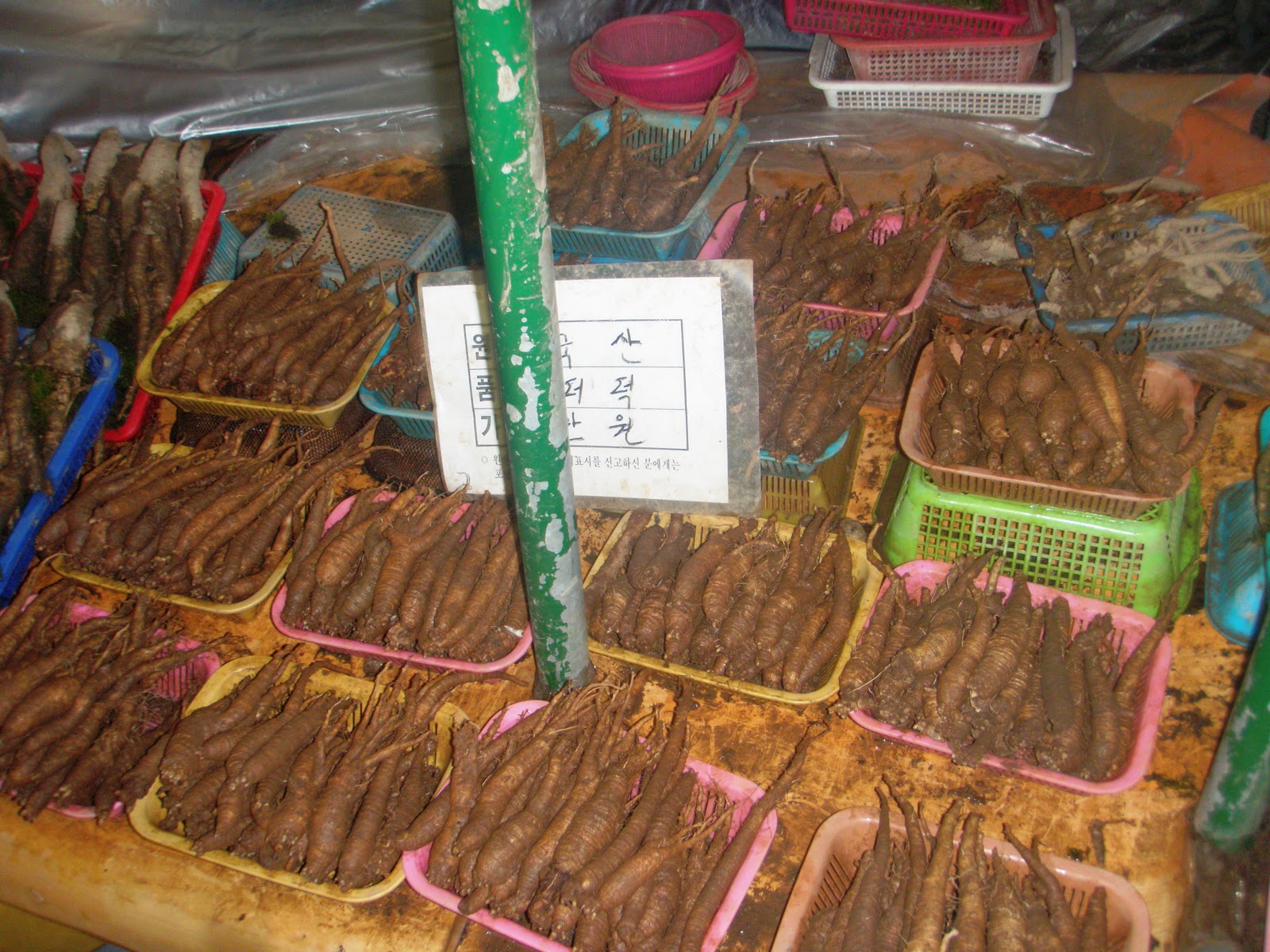 Finally, it’s time to talk about buying ginseng.
To reiterate, there are three main varieties of ginseng. Korean ginseng is the most popular kind of Oriental Ginseng that is widely cultivated not only in Korea but China as well. American Ginseng, on the other hand, is largely cultivated in locations with colder climates in North America. The Great Lakes Area is known to be a promising growing location for American Ginseng as any ginseng from here is considered the finest of American ginseng. Siberian ginseng, however, is referred to as a distant cousin of ginseng. Some even claim that Siberian ginseng is not ginseng at all as it has few similarities to the first two.
Thus, buyers should look for either Oriental or American varieties.
The differences between red and white ginseng, on the other hand, lie in the method and length of the steaming process experienced by the ginseng. Although both ginseng types are either sun-dried or steamed, red ginseng is dried longer compared to its white counterpart. This then allows for the nutritional properties of ginseng to come out as it concentrates and amplifies the healing energy of the ginseng. White ginseng also weighs 4 to 5 times more than red ginseng because of its increased water content.
What does this mean for the buyer? White ginseng is cheaper than red ginseng largely due to the significant nutritional value present in them.
The most active and most important ingredients in ginseng are ginsenosides which are found to offer most of the health benefits ginseng is equipped with. However the manufacturing process may easily change the natural spectrum of ginsenosides found in ginseng. When taking ginseng, it is then best to take it in root form in order to be certain of getting its full benefits. Just like better cuts of beef tenderloin are better than processed hamburgers, roots and slices are significantly better forms than extract, powder or capsules.
Hence, natural trumps processed every time.
Quality of ginseng is determined by several factors, some of which include the age of the ginseng which usually takes 6 years to reach maturity, place of origin, size which is the length and girth of the plant root, the crown, head and amount of nodes found on the ginseng and even its skin appearance.
Generally, ginseng is quite expensive, largely due to the long process and difficulty it takes to produce it. Companies have then come up with cheaper substitutions of ginseng that may not offer the full effects of authentic ginseng products. But where can you buy ginseng without having to get ripped off? Make sure to stick with specialty stores and health stores that offer trusted brands or products. And above all, observe the results. They should speak for the quality of the stuff you do purchase.

@yourkefirsource
Giselle
Latest posts by Giselle (see all)
- The Magic of Damiana - July 15, 2015
- Baobab Cosmetics | An Increasing Market For The Cosmetic Industry - June 21, 2015
- Baobab | The New Super Tree - June 15, 2015

Leave a Reply