Post Contents
- 1 Introduction To Soursop
- 2 Medicinal Benefits Of Soursop For Specific Conditions
- 2.1 Why Use Soursop To Cure Skin Problems?
- 2.2 Soursop To Cure UTI | Examining Its Anti-Microbial Property
- 2.3 Soursop To Cure Poisoning | How It Works
- 2.4 Effects Of Using Soursop To Cure Liver Problems
- 2.5 A Natural Anti-Depressant | Soursop To Cure Insomnia
- 2.6 Soursop For Lice | Its Insecticidal Ability
- 2.7 Explaining The Effectiveness Of Soursop For Stress
- 2.8 Soursop For Cancer | How It Works
- 3 Kinds Of Soursop And Their Advantages
- 3.1 Uses Of Soursop Tea
- 3.2 Soursop Supplements | Preparations, Dosage, And Timing
- 3.3 Information On Soursop Seeds
- 3.4 Types Of Soursop Powder
- 3.5 Therapeutic Benefits Of Soursop Leaves
- 3.6 Nutritional Value And Uses Of Soursop Fruit
- 3.7 Useful Information On Soursop Extract
- 3.8 Useful Information About Soursop Bark
- 4 Buying Soursop | Tips When Buying
- 5 Easy And Quick Soursop Recipes
Introduction To Soursop
Herbal Remedy Overview | What Is Soursop?
 Fruits and vegetables can be a major weapon against many types of illnesses, something that natural healers have recognized for centuries. Many studies are supporting this fact. Researches have also revealed that consumption of small to moderate amounts of fruits and vegetables can result to a noticeable improvement in one’s health. One of the most popular medicinal plants is soursop or graviola. But what is soursop?
Soursop (Annona muricata) is a small, tropical tree with large dark green leaves. It bears a large, heart-shaped fruit that is yellow-green in color with white flesh inside. The plant is indigenous in most warm areas in North and South America, including the Amazon. The fruit is commonly sold in local markets, where it is called graviola in Brazil and guanabana in most Spanish-speaking countries.
There are many things you can do with soursop. You can make juices, ice cream and smoothies with its creamy white flesh. The leaves and tree bark are also powerful herbal medicines and are often made into tea infusion.
Almost all parts of the soursop tree, including the leaves, roots, fruit seeds, fruit and bark, have been used by native Indians and herbalists for centuries to treat asthma, heart disease, arthritis and liver problems. But the most surprising revelation is probably the supposed anti-cancer effects of soursop due to a natural component, acetogenin.
A study in South Korea revealed that graviola selectively targets the cancer cells while leaving the healthy cells unscathed. Unlike chemo drugs that indiscriminately target any actively reproducing cell like hair cells, soursop has no significant side effects. Furthermore, Purdue University recently discovered that the tree bark and leaves could kill cancer cells on six human cell lines. It is especially effective against pancreatic, prostate and lung cancer.
What is soursop and why is it famous? This fruit is well-known throughout the world owing to its delicious white pulp and appealing sub-acid taste. Such characteristics make this fruit unique and give it high potential to be commercialized. Graviola can be found in many tropical markets, although it is rarely sold fresh due to its short shelf life.
With its growing popularity as a natural anti-cancer agent, soursop is now produced in many different forms — as a juice powder, supplement, extract, and many more. There are many places to buy guanabana products; it is readily available for sale online.
To help you on where to buy graviola, it is best to understand the pros and cons of buying local produce versus online. The Internet lets you find a number of venues for buying fresh soursop fruit. You can even compare sellers to determine which one will suit your liking. On one hand, the freshest produce will come from local farmers. On the other, you may find it difficult to access them based on your location. You have to weigh the pros and cons for you.
Recently, graviola extract has become widely sold as a supplement with claims to many benefits. It is often in the form of a tincture or powder. Most graviola products use the leaves and bark as these parts have the most acetogenin, but when buying supplements, make sure you deal with reliable manufacturers because there are plenty of fake herbal products sold, particularly online.
Uses And Effects Of Soursop
 The effects of soursop on the body are not exactly well understood. However, the most astonishing fact is that soursop extracts can kill several types of cancer cells such as breast and liver cancer cells. Not just that, the fruit has also been used as a treatment for numerous ailments.
The rainforest of South America, Africa and Southeast Asia are known for their invaluable natural reserves. The bark, roots, fruits and leaves of this plant have been used for ages by many people for home remedies. The secret behind all this is its active ingredient, a compound known as Annonaceous acetogenins.
Graviola hunts down and kills lung, breast, prostate, pancreatic and colon cancers, while leaving the healthy cells unharmed. The first modern study on graviola was conducted by NCI in 1976 and it was found that the stems and leaves were effective in destroying malignant cells. From that time, a number of promising cancer studies have been done regarding graviola.
However, the extracts have yet to be used on cancer patients; even double-blind clinical trials haven’t conducted yet. Nevertheless, the effects of graviola in destroying cancer cells in vitro have been proven in at least 20 lab tests. The most recent research conducted in South Korea revealed that two graviola compounds extracted from the seeds revealed ‘selective’ cytotoxicity activity, akin to Adriamycin.
Soursop is an amazing and versatile medicinal tree, with nearly all its parts having significant uses in herbal medicine. The fruit and the juice are effective in destroying all types of intestinal parasites. It can also increase a mother’s milk when nursing, help cure diarrhea, and reduce fever.
Soursop is used medicinally to improve or treat illnesses that range from skin diseases to parasitic worms. The seeds have known insecticidal properties as well as emetic actions, which can be used to induce vomiting. The leaf decoction is proven effective for bedbugs and head lice. It is also regarded as a remedy for cough, diarrhea, fever, indigestion, gallbladder trouble and dysentery.
The mashed fresh leaves are applied on skin eruptions to hasten healing. When fasting, the fruit juice is believed to ease leprosy and liver ailments. The juice is also consumed as a remedy for hematuria, urethritis and liver problems. The root bark can be used as an antidote for poisoning.
As far as its nutritional value, soursop is very rich in nutrients, primarily carbohydrates and micronutrients. The most dominant is Vitamin C, a natural and potent antioxidant that can slow down the aging process and improve the immune system. The fruit’s somewhat fibrous texture is also beneficial in promoting digestive health, helping bowel regularity and lowering cholesterol. It is also rich in Vitamins B1 and B2 as well as phosphorus, potassium and iron.
The effects of soursop are not only limited to its anti-cancer properties; it also acts as a natural anti-depressant, anti-stressor, nervine, anti-spasmodic and vermifuge. There are several studies supporting the relaxing effect of guanabana on the vascular system, based on its efficacy at reducing high blood pressure.
Medicinal And Culinary Uses Of Soursop
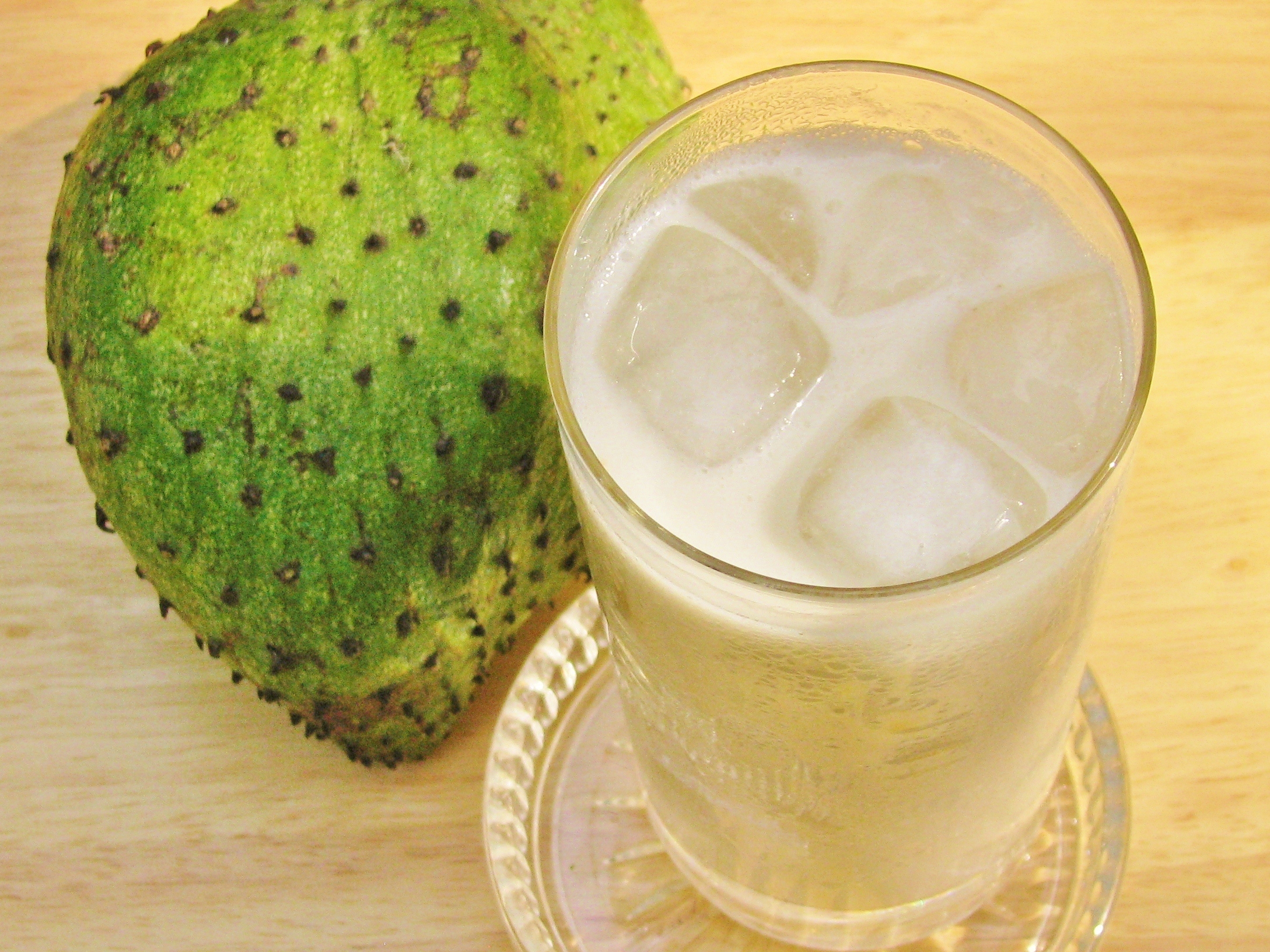 Soursop is not only medicinal but also culinary. There are many creative methods of cooking soursop. Often sold in local markets, one can find different ways to eat graviola. The white flesh is often processed into ice cream or sorbet. In the Carribean, the white meat is used when making Soursop drink, a milky white beverage. The sweet varieties of this fruit are cooked for desserts or eaten raw. Currently, soursop ice cream is marketed under the label ‘’Guanabana’ in South America and is found in several gourmet supermarkets.
Aside from cooking soursop flesh, there are other ways to eat guanabana. The canned pulp can be blended or pureed at home, and easily made into a delectable desert, though the fresh one is more preferred. Immature fruits are usually cooked. Despite its sour taste, it is sweet to the health: it can be eaten to lower fever, combat intestinal parasites and stop diarrhea. To hasten the healing process, the flesh can be applied as a poultice on injuries for three days.
Besides its fruit, there are many uses of soursop leaves. The leaves have been known for various properties, treating ailments such as liver problems, arthritis, intestinal colic, dysentery, edema, abscess, bronchitis and diarrhea, based on numerous anecdotal reports. The bitter graviola leaves tea is used in treating insomnia, seizures, diabetes and hypo/hypertension. Besides that, the leaves are used as a tranquilizer and anti-spasmodic.
You can also make graviola oil by pounding the unripened fruit and leaves and then combining with olive oil. The oil, when topically applied, can alleviate neuralgia, arthritis, rheumatism, rashes, sores and other dermatological disorders. Mashed leaves can be used as a poultice for skin problems. A decoction of leaves or young shoots is known as a remedy for cough, fever, indigestion and gallbladder issues as well as bedbugs and head lice.
There is a variety of ways that can answer the question of how to use soursop. Even the seeds can be powdered and be used as a pesticide against head lice, and internal and external parasites. It also has emetic properties, which may help in inducing vomiting. The root is believed to help diabetic people, an antidote for poisoning and may work as a narcotic. The flowers are believed to ease catarrh.
Regarded as a miracle tree, many of the traditional uses of soursop have been substantiated by research, and further incredible properties have been discovered. Natural health practitioners use graviola leaves and bark for many remedies, particularly as a nervine, as an antispasmodic, as a heart tonic and for ailments of microbial nature like cough and flu. The therapeutic dosage is said to be 3 to 4 grams per day of bark and/or leaves, and in some cases, a standard infusion is used with ½ cup dosage, one to three times per day.
What Are The Side Effects Of Soursop?

Anyone interested in using this herb should take time to check out the common side effects of soursop that they may experience. Side effects are part and parcel of herbal medication, after all—even of all medication, arguably.
According to the 2002 journal entitled ‘Movement Disorders’, there may be a correlation between the high rate of West Indians suffering from a Parkinson’s-type of motor disorder and unusually high consumption rates of soursop. However, the study did not use human subjects but only cultured neurons, so it is being questioned even now. The Memorial Sloan-Kettering Cancer Center warns that considerable human research is important for the medical community to notify the public regarding the benefits and side effects of soursop.
One of the major problems with guanabana is its potential interactions with other medication that you may be taking. For instance, it has a possible interaction with antidepressants. Conditions involving nerve function like Parkinson’s disease may get worse with taking high dosages of soursop supplements. Make sure you check with your doctor before taking graviola.
People suffering from heart disorders or those taking antihypertensive medications must refrain from eating soursop. While its main side effect is that it can lower blood pressure levels, it may cause a drug interaction if you are taking medications for high blood pressure. Those with a lower blood pressure levels should think twice before taking this herb, as a result.
Soursop can be used as an emetic. A large dose of soursop juice can make some people throw up. Nausea and vomiting may occur if the person has a sensitive stomach. Other cautions with taking graviola include its effect on pregnancy. Graviola can stimulate the uterus and may cause premature uterine contractions.
Just like other herbal remedies, always consult your physician before taking it. Each person is unique and may react to food and herbs differently. Be equally cautious if you are pregnant or nursing. These side effects of soursop usually manifest when there is over-consumption or over-dosage of the herb. There is no ideal dosage as of today, but most people find 500 to 600 mg of soursop capsule per day enough to maintain health. Many people were able to respond to this herb positively without experiencing too many problems in the end.
Medicinal Benefits Of Soursop For Specific Conditions
Why Use Soursop To Cure Skin Problems?
 There are a lot of medical benefits to this fruit, of course. We listed some of them earlier. Now we can talk about some particular benefits in detail, starting with soursop’s benefits to the skin.
Keeping healthy skin is very important for a healthy body. Many people develop diseases affecting the skin, including acne, herpes, scabies, rashes and skin cancer. But nature has blessed humanity with natural cures for skin diseases. One cheap, natural way is by using soursop to cure skin problems.
The Annonaceous acetogenin present in soursop (Annona muricata) is known as an anti-microbial agent. It possesses anti-fungal, anti-bacterial and anti-viral properties. The ethanolic extract of soursop leaves was discovered to have inhibitory abilities against cytophatic effect of Herpes virus (simplex-1). Furthermore, its methanolic extracts have been found to have activity against H. simplex virus-2.
More than that, different extracts from the bark, leaf and stem of soursop have showed anti-bacterial activity against various microorganisms like Escherichia coli, Shigella flexneri, Staphylococcus albus, Staph. aureus, Pseudomonas aeruginosa, Salmonella newport, Salmonella typhosa and Serratia macescens. As a broad-spectrum antimicrobial, using soursop to cure skin problems can be a good treatment alternative.
For centuries, the fruits, leaves and seeds have been used to improve skin integrity and treat skin diseases. The use of guanabana to cure skin problems can be done in many different techniques and approaches.
For instance, the sap of the immature leaves can be directly applied on acne to induce suppuration. When distilled with steam, the alcoholic extract of soursop leaves yields a little amount of essential oil, which contains healing substances like dextrose tannins, alkaloid substance and amorphous products.
The crushed leaves may be applied on skin eruptions to promote speedy healing. A poultice of mashed immature guanabana leaves may be applied on the skin to treat skin infections like eczema. When applied on healing wounds, this can result in minimal or no scars. The leaves can also be pounded along with the raw fruit and mixed with olive oil. The oil extracted from graviola leaves can be used to treat skin disorders like boils, sores and rashes.
The pulp made from fresh leaves and rose water when applied to the skin will prevent blackheads, pimples and other skin issues. Tea infusions and tinctures made from roots can be used to cleanse rashes, boils, sores and eczemas. Same infusion is helpful for treating ringworm fungi that grows on skin.
The use of soursop to cure skin problems has been a traditional practice across the world. In Guatemala, it is used for ringworm treatment while in Cook Islands, the leaf is used to treat various skin diseases. In Malaysia, it is used in the treatment of dermatosis and boils.
Soursop To Cure UTI | Examining Its Anti-Microbial Property

There are a handful of herbal remedies that demonstrate effectiveness in preventing and curing urinary tract infections (UTI). Herbal medicines, along with a lifestyle modification and some aid from a supportive system, can actually work wonders in many cases. A good herbal alternative is the use of soursop to cure UTI.
The use of antibiotics to treat urinary tract infection (UTI) can cause side effects. Furthermore, bacteria could get used to the antibiotics and it is not simple to study and formulate antibiotics for new strains of bacteria.
Flushing out the urinary bladder by using diuretics may help in purging and eliminating bacteria from the urinary system, which can cure urinary tract infections. Diuretics are used to pull excess fluid and excrete such fluid through urine.
One of the benefits of taking diuretic herb like graviola to cure UTI is that it helps maintain a healthy bladder function. Besides treating and preventing UTI recurrence, soursop also helps the body in getting rid of toxins and waste. The specific mechanism of herbal diuretics is to increase urine flow. While this is a simple action, it is the foundation for regaining harmony of the bladder, kidneys and the entire urinary system.
Also known as graviola or guanabana, soursop contains alkaloids, tannins and nutrients that promote health and well-being. The soursop fruit contains 67.5% meat, 20% fruit sin, 8.5% fruit seeds and 4% fruit core. It only contains a very small amount of fat, so it is very good for health.
Its tangy, sour taste comes from the non-volatile organic acids, namely citric acid, malate acid and acid isocitrate. The most dominant vitamin in the fruit is Vitamin C, which contains 20mg per 100grams of meat. The daily requirement of Vitamin C per day (60mg), thereby it be fulfilled by consuming 300 grams of soursop fruit.
Having said this, Vitamin C can combat urinary tract infection as it acts as a diuretic. Oftentimes, forced acid diuresis is done by taking high amounts of Vitamin C. A high intake of Vitamin C can also increase the urine’s acidity — the bacteria responsible for UTI cannot survive acidic urine.
Using guanabana to cure UTI can be a good antibiotic alternative. Studies have shown the anti-bacterial activity of soursop extract against several strains of bacteria including E. coli, the most common bacterial strain that cause UTI.
It is best to take soursop fruit juice in treating urinary tract problems. You may also drink soursop leaf tea or supplements as it possess astringent properties that helps alleviate pain that comes along with UTI. Because it is diuretic, make sure to drink plenty of water to replace excreted fluids.
When using soursop to cure UTI, make sure you choose only those of authentic formula and high quality extracts as supplements filled with synthetic additives or binders are often ineffective.
Soursop To Cure Poisoning | How It Works

No one can ascertain how many people are affected every day by environmental poisons. From food contaminants such as E. coli, salmonella and botulism, to environmental hazards like radiation, heavy metals and toxic chemicals, our body is constantly exposed to poisons. Several natural remedies are usually recommended to cleanse the body of these harmful substances. One is by using soursop to cure poisoning.
Poison is any substance that injures or kills through chemical action. Many poisons are ingested but a poison can also enter the body by other means such as through the skin, by inhaling, by IV injection or from radiation exposure. Highly toxic substances are not meant for human contact or ingestion—things like paint thinners, cyanide or house cleaning products.
However, many poisons are substances that are meant for humans to take, like medicines and food. When it comes to food, it could come from contaminated drinking water or food, or from poisonous mushrooms. Medicines are helpful with the right dosage but could be dangerous when taken in excess, such as anti-coagulant (Warfarin) and beta-blockers.
The signs/symptoms of poisoning are so very broad that there is no simple way to classify them. However, some of the most common include vomiting, diarrhea, nausea, severe abdominal pains, fever, double vision, respiratory failure, limp muscles and generalized weakness. Never take poisoning lightly, particular ingestion of toxic chemicals, as this is an emergency situation. However, for light cases of food poison, it may be treated at home using natural approaches.
Better known as graviola or guanabana in most Spanish-speaking countries, soursop has been traditionally used to treat minor cases of poisoning. Its emetic and sudorific properties help a lot in the management of poisoning.
The use of soursop to cure poisoning has been widely regarded because of its emetic properties. Its emetic properties have been demonstrated in one animal study with pigs. In herbal medicine, natural emetics have been traditionally used to empty the stomach after ingesting certain kinds of poison. In the past, it has been used to clear mucus from the body but in modern herbalism, it is used to cause vomiting in cases of poisoning.
When using graviola to cure poisoning, large single dosages are needed to cause nausea or vomiting. Make sure you consume plenty of water when taking guanabana to cure poisoning to avoid dehydration. Soursop should not be used to treat poisoning caused by strong alkalis or acids like kerosene.
Soursop’s sudorific ability may also help in cases of poisoning. In herbal medicine, sudorifics are used to promote sweating and this had been a favorite means of controlling fever. In ancient days, people believed that many poisons could be excreted through sweat, so in cases of poisoning, physicians suggest sudorifics. Their reasoning was that this herb would induce so much sweating that all toxic substances would surface along with it.
Graviola seeds have been proven to have an emetic effect when taken in high amount. Consuming soursop to cure poisoning can be a significant treatment for heavy metal poisoning or drug overdose too. The fruit is one of the best alkaline-producing foods that are known for detoxification. It is also rich in antioxidants and vitamins that help eliminate heavy metals and toxins.
Effects Of Using Soursop To Cure Liver Problems

Traditional medicines have been used for ages in the treatment of different liver diseases, and numerous herbal preparations are available in the market. One can use soursop to cure liver problems. Rich in soluble fiber, antioxidants like Vitamin C and beneficial anti-cancer phytochemicals, soursop is believed to help your liver detoxify and support immune function.
The liver is responsible for breaking down most of the medications and chemicals entering the body — leaving it highly at risk to acute or chronic liver problems caused by chemicals. One of the most common causes of liver disease is drugs and toxins. Over-consumption of or overexposure to such chemicals can lead to predictable consequences on the liver.
Another common factor of the development of liver problem is cancer. While primary liver cancer is quite uncommon, many forms of cancer usually metastasize in the liver. Since the liver filters a considerable volume of blood, which may carry cancer cells, it is highly susceptible to the development of secondary cancer. Primary liver cancer is often caused by Hepatitis B or C or in cases of chronic liver disease when liver cirrhosis is present.
Soursop is considered one of the best alkaline-producing foods, as mentioned earlier. Many alkaline diet supporters claim that by maintaining the pH of the body as slightly alkaline and consuming soursop to cure liver problems, you can help the body detoxify and block rapid cell degeneration. It is a well-known fact that the body requires an 80/20 alkaline/acid balance, 80% alkaline and 20% acid.
But why? Researches have shown that in lab tests, tumors thrive and multiply in a more acidic environment. If the level of acid is lowered, tumors develop more slowly. If such behavior occurs in tests, it makes sense that tumors and other disease-causing agents in the body would also be affected (in a hostile way) by a general alkaline environment.
Also known as guanabana, this tropical fruit is a natural immune booster, which has been traditionally used to improve liver problems, treat cold and the flu and kill parasites. Since the 1940s, most studies have been focused on Annonaceous acetogenins, a natural compound produced in the leaves, bark, fruit seeds and twigs of graviola. Numerous studies have also showed than these natural chemicals have anti-cancer abilities, which means they fight different cancer cells – and as such are great boosters to the immune function.
Another beneficial attribute of guanabana to cure liver problems is its rich dietary fiber content. Soluble fiber is necessary in the proper functioning of the liver because it helps block and eliminate toxins and cholesterols that build up in this organ. A low-fiber diet can result to accumulation of fat and toxins in the liver, causing health problems such as fatty liver disease.
In a study done by Taiwanese researchers, new acetogenins extracted from the leaves and seeds of soursop were used in the lab tests against liver cancer or hematoma cell lines. These three new alkaloids from the seeds were named muricin I, muricin H, and cis-annomontacin, while the two compounds from the leaves are annocatalin and cis-corossolone. These new acetogenins exhibited potent activity against cancer cells.
A Natural Anti-Depressant | Soursop To Cure Insomnia

Taking prescription sleeping pills to treat insomnia is not a good idea. Drugs for sleep can easily result to dependency and later, addiction. This drug also causes many negative symptoms like depression, anxiety, nausea, memory and paranoia. On the other hand, OTC (over-the-counter) sleeping aids are often ineffective, which may cause a person to take higher dosage than the suggested amount, leading to toxicity. Instead of taking these synthetic drugs, there are plenty of effective natural remedies that facilitate sleep and alleviate sleeplessness. Using soursop to cure insomnia can be a better and safe alternative.
Insomnia is defined as the inability to stay or fall asleep, making the days feel tiring and the night never ending. Today, more than 40 million Americans are suffering from chronic sleep disorder, which prevents them from experiencing quality rest.
Studies revealed that the major cause of insomnia is the body’s failure to generate an adequate amount of melatonin, a neurotransmitter. This body chemical induces a person to sleep when there is total darkness. Melatonin is secreted in the pineal gland from the neurotransmitter serotonin, which is also sourced from tryptophan.
Besides being a metabolic problem, stress and anxiety can trigger insomnia. Sleeping drugs may help the patient sleep but they don’t target the underlying cause. Over the last 20 years, doctors treating insomnia have prescribed antidepressants instead of insomnia drugs, as per a number of published analyses. While there is still insufficient evidence that supports the effectiveness of antidepressants in treating insomnia, many doctors are prescribing such medication because most patients are suffering both depression and insomnia.
Depression and insomnia usually occur together, though which is the symptom and which is the cause is still unclear.
Soursop can treat insomnia as it contains a serotonin uptake inhibitor. The three compounds – annonaine, asimilobine, and nornuciferine – stimulate serotonin receptors, thereby increasing the concentration of serotonin in the body.
To use graviola to cure insomnia, the British Guiana’s Materia Medica suggested tearing soursop leaves in water and mixing lime juice therein. Rub the mixture evenly on your head and drink a little of the soursop mixture.
In the West Indies, a decoction of the young leaves or shoots is claimed to ‘cool the blood’, and being an antispasmodic and nervine, it can aid in childbirth and ease vomiting. In the Caribbean, indigenous people often sleep on graviola leaves as it is an effective remedy for fever. Because of its nerve-relaxant and sedative qualities, it can be helpful in inducing some needed sleep for those suffering from sleeplessness.
Another way to use guanabana to cure insomnia is supposedly by placing several leaves inside the pillows or scattering it on the bed to promote deep sleep. An infusion of soursop leaves is commonly drunk for the same purpose. In the Netherlands Antilles, this is drunk at night as a ‘pleasant’ tea. In Africa, children with fever are given soursop tea and are bathed lightly with it.
When taking soursop to cure insomnia, the appropriate dose of tea is one cup, two to three times a day, or two to four milliliters of standard tincture. It can provide tranquilizing effects, which can be a great help for those with debilitating disease, but you must consult your physician before deciding to take it as a supplement regimen.
Soursop For Lice | Its Insecticidal Ability
 Numerous plants have been natural sources of possibly useful drugs and insecticide, particularly for external and internal parasites. Lice live and lay eggs on hair follicles, and once you find them, you could be in an extended battle to eliminate these annoying pests. One plant you can use to get rid of it is soursop. You can use herbal spray containing soursop extract to ward off these organisms.
The head louse (Pediculus humanus capitis) is a tiny insect that causes a public health problem, particularly in places with poor sanitation. Lice infestation is not new to humanity and there are many simple herbal tricks to eliminate this problem. Many anecdotal reports have showed the anti-head lice activity of Annona muricata seeds.
Also called graviola or guanabana, the bark and twigs of Annona muricata are laced with potent compounds called acetogenins. More popularly known for their strong anti-tumor properties, annonaceous acetogenins are fatty chemicals chiefly produced by Annona plants during summer as a poison to prevent insect feeding. Such inhibition of respiratory enzymes in living cells explains its anti-cancer and insecticidal properties.
To test its insecticidal abilities, annonaceous acetogenins were tested on two major agricultural pests – blueberry gall midges and green peach aphids. After the test, it was found that acetogenin extracts were as effective as spinosad, a microbial-based pesticide and also malathion. With this, one can see its effectiveness in treating for lice.
Rich in acetogenin, graviola for lice is a natural pesticide, and the patent has been granted for its processing as a commercial pesticide. Its main mechanism is to disrupt cellular respiration.
This compound is unique among other natural insecticides in the way that it has broad insecticidal activity and brings rapid mortality. It also has complex mechanism of action that contributes in blocking insecticidal resistance. Because it is a natural insecticide, it is safer for human and wildlife.
Traditional medicine has led many scientists to study significant plant-derived medicines. It is a known fact that the seeds of a few Annonaceous species have anti-cancer, anti-helminthic and emetic property. Folkloric usage of soursop suggests pesticidal properties. In Thailand, the extracts of Annonaceous muricata, A. reticulate, A. squamosa and A. cherimolia have been used in the treatment of head lice.
A patent was filed in 1988 describing the pesticidal properties of annonin, a natural chemical present in graviola. Annonin can be extracted from the seed kernels of soursop and is used as a pesticide for helicoverpa and other pests. Because of this discovery, skin care products and hair products have been developed using guanabana for lice management.
When using soursop for lice problems, take 10 to 15 fresh leaves and finely crush it. Mix with coconut oil and apply it uniformly onto the head. Let the mixture stay for 30 minutes and wash off after. To increase its effectiveness, generously soak the hair and scalp with graviola seed and leaf tea and cover it with a shower cap. Though the first application works, a second application may help prevent recurrence.
Explaining The Effectiveness Of Soursop For Stress

You can also use soursop for stress. Soursop supplements as stress relievers can actually be a good option if you are sure that your product comes from a dependable manufacturer who guarantees no harmful side effects.
Stress usually takes a toll on one’s body, causing negative symptoms like exhaustion, nervousness or anxiety. While stress can be caused by many factors such as family, work or financial situation, some factors of stress are biological and may cause someone to feel depressed. One of the main body chemicals that influence stress levels is serotonin.
Low serotonin levels are directly related to stress, particularly chronic stress. With an adequate serotonin, it can help you cope up. Abnormal production of serotonin is implicated with the etiology of anxiety disorders and major depression. Because people with low serotonin levels don’t deal with stress positively, doctors may prescribe medications to increase serotonin levels in the body.
In a study published in 1998, it was found that graviola has the ability to stimulate the brain’s serotonin receptors, and may also have an antidepressant capability. Some herbalists believe that the natural components and alkaloids present in soursop leaves can lessen stress and anxiety by inhibiting the uptake of serotonin in the brain.
The alkaloids annonaine, asimilobine and nornuciferine, all present in soursop, have been reported to have a sedative or sleep-inducing effect. The fruit thus has positive anti-depressant results that increase the amounts of different neurotransmitters like dopamine, serotonin and norepinephrine. These chemicals work with pleasure center in the brain to trigger the sensation of motivation and enjoyment.
In addition, soursop contains a small amount of tryptophan, an amino acid that helps improve sleep and alleviate stress. Studies showed that tryptophan can elevate the level of serotonin by converting into 5-HTP, which converts to serotonin. Aside from tryptophan, it also contains a handful of nutrients including beta-carotene, thiamine and niacin.
Today, you can find many supplements made from guanabana for stress and anxiety relief in the forms of tinctures and teabags. For example, several herb supplement manufacturers combine graviola and Mulungu, a popular plant from Brazil used to treat anxiety and stress. The tincture is made by extracting pure graviola and Mulungu in 40% alcohol and distilled water.
Soursop For Cancer | How It Works

Is soursop a cancer cure? Like other popular herbal medicines, one cannot claim this with certainty. Also known as graviola or guanabana, there are numerous studies that support effectiveness of soursop for cancer. Much of the studies on soursop focus on the phytochemicals called Annonaceous acetogenins, and the plant produced these active compounds in its bark, fruit seeds, leaf and stem.
Studies on graviola for cancer treatment has shown positive results in test tube studies, although there have been no lab tests on humans. The first modern-day study on soursop was done in 1976 by the National Cancer Institute through a plant screening program. Their findings claimed that soursop leaves were effective in killing malignant cancer cells.
Furthermore, scientific research at Purdue University in Japan and Indiana, USA, have found exceptional effects of guanabana on cancer, particularly in certain cancerous tumors such as those situated in the prostate, pancreas and lungs.
In a similar study in Korea, soursop has been found to destroy colon cancer cells better than the chemo drug Adriamycin. The plant’s active ingredient acetogenin is 10,000 times potent than the drug. And unlike chemo drugs, soursop demonstrates selective cytotoxicity which means it did not damage or destroy any cells except the cancer cells. Therefore, patients under soursop therapy would not experience alopecia or hair loss, nausea and vomiting, which are common chemotherapy side effects.
Annonaceous acetogenins are composed of a series of polyketide-derived fatty acid derivatives possessing tetrahydrofuran rings and methyl ketolactone. Acetogenins block a certain enzyme that is unique to the cell membrane of cancer cells. Not only that, studies showed that acetogenins have a unique affinity on resistant cells. To enlighten you on this, cancer cells that survived chemotherapy can build resistance with the drug, a phenomenon called multi-drug resistance (MDR).
One of the mechanisms whereby cancerous cells develop resistance is by making P-glycoprotein mediated pump, an intercellular efflux pump necessary for cancer cells to grow and expand. Normal cells rarely develop such pumps. Some of the recent studies reported that acetogenins could shut down these pumps, thus destroying MDR cancer cells.
In addition, studies revealed that these phytochemicals could kill MDR cells by inhibiting Complex I of oxidative phosphorylation chains, thus thwarting the formation of ATP, the main source of cellular energy. By inhibiting the source of energy to the cancer cells, they can no longer run the pumps and eventually, die.
Kinds Of Soursop And Their Advantages
Uses Of Soursop Tea
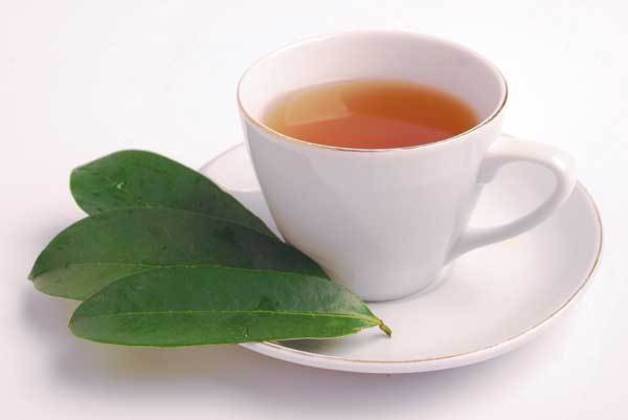
Herbal teas are getting increasingly popular for the many medicinal benefits they are supposed to have. It is claimed to help every body complaint, from easing a simple cold to fighting infection. However, when picking an herbal tea, make sure you choose the right one. Soursop tea is among the popular herbal infusions used for ages for alleviating numerous diseases and ailments.
Currently, you can find commercially manufactured graviola teabags. They are widely distributed and sold in many supermarkets, and come in various brand names.
To make soursop tea, the extracts are taken from the leaves, roots or bark of the tree. Many people drink this tea to maintain health and well-being. According to many scientific researches, the tea helps in managing glucose levels. It can also be used as a nerve tonic or as sedative. The extract from the leaves is believed to reduce blood pressure, which probably explains its calming effects.
In the Peruvian Andes, a soursop leaf tea is used to treat catarrh or inflammation of mucous membranes, while in the Amazon, the roots, bark and leaf infusion is used for diabetes as well as a sedative and anti-spasmodic. In Guyana, the bark tea is popular as a heart tonic or sedative. In the Latin America, the leaves are utilized in making a typical bush tea, which is consumed daily by adults and children as a tonic.
When making your own guanabana tea using the leaves, take 2 to 3 young soursop leaves. Mature leaves are normally dark green in color. In a small pot, add 1 cup of water and bring it to a boil. Tear the leaves into small pieces and place in a glass or cup. Pour the hot water on it and cover for 30 minutes to one hour. You may drink warm or cold, or add milk and sugar for taste.
When using graviola leaf powder, use fresh cold water. Don’t use cookware made from aluminum as it can affect the taste. Better use cast iron, glass or stainless steel if possible. A tea strainer is useful because it allows you to make your own blends of teas, and sift the leaves or powder from escaping into the drink. Once the water boils, add one teaspoon of powder for every cup of water.
Cover and allow the herb to steep for ten minutes. Make sure you don’t over-steep it as the flavor could become very strong and may taste more medicinal than pleasing. To enhance the tea’s flavor, you can add lemon or honey. To obtain the maximum therapeutic effect of soursop tea, you can consume one to four cups per day.
Soursop Supplements | Preparations, Dosage, And Timing
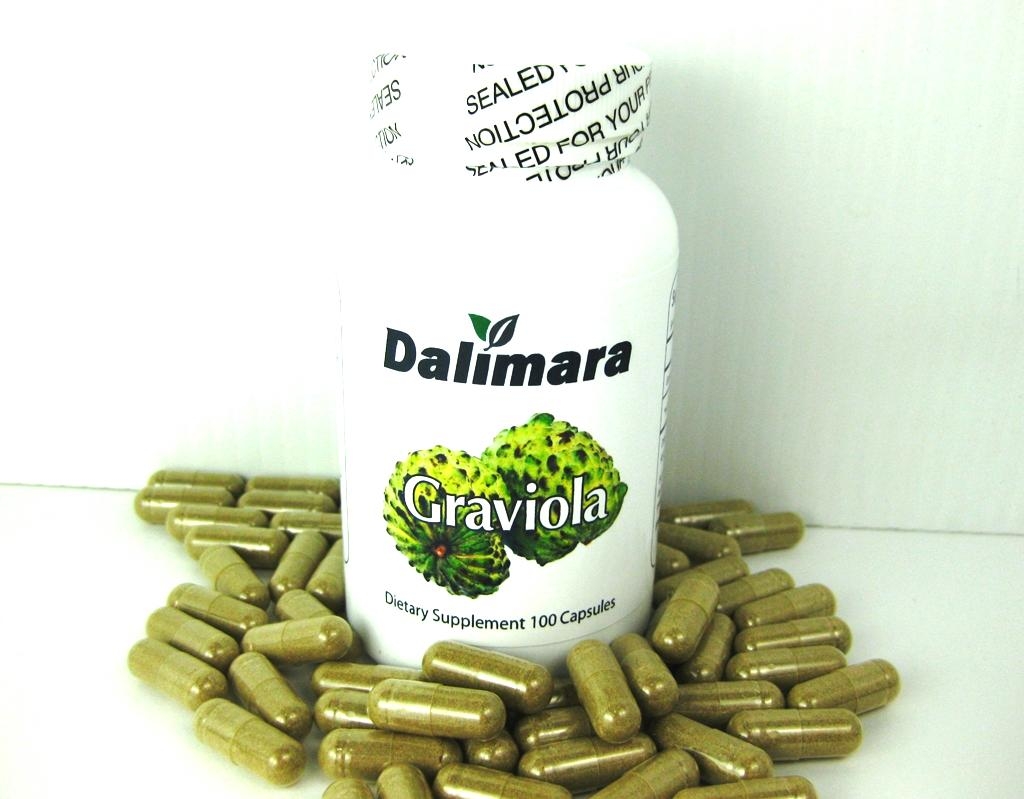 Soursop supplements come in many different preparations: as tinctures, pills, tablets and capsules. Made from soursop extract, which can be taken orally or applied topically, the tincture preparation is available in varying degrees of concentration. On the other hand, the soursop powder extract is commonly processed into oral herb supplements like tablets or capsules.
Natural remedies like herbal supplements comprise elements that influence human body functions to promote a healthy lifestyle. Hence, more and more people find that taking herb supplements, coupled with diet and exercise, can be very beneficial.
Many health issues can be treated, improved or alleviated with the use of herb supplements and can also be used as an immune booster to avoid common sicknesses like flu, cold and cough. Herbal supplements have been used for ages for such purposes and hence, when compared to conventional medicines like prescription drugs, they are deemed as a healthy alternative.
Also known as graviola or guanabana, the leaves, flowers, bark, seeds and fruit are often used when making extract. The tincture form is easily digested and metabolized since it does not contain fibrous materials. Because of this, graviola supplements in tincture and liquid forms are overall more bioavailable compared to other forms.
When buying soursop supplements, make sure that the product is made from the highest quality raw graviola plant material available. Guanabana supplements made from the purest materials contain the most compounds such as muricins, acetogenins and many others.
When it comes to the right soursop dosage, there have not been sufficient human studies with soursop to determine the right dosage. However, people taking soursop capsules find one capsule of 500 to 600 mg graviola extract to be enough for their purposes. Some brand manufacturers may say to take one capsule, 2 to 3 times daily, but keep in mind that the benefits of soursop are only based on animal studies, anecdotal reports or preliminary research, so it is best to be on the cautious side.
It is more preferable to err on the side of caution than do a more cavalier approach. Furthermore, graviola is an ATP inhibitor and so, higher dosages of soursop pills may cause side effects such as sedation or fatigue.
As for the right timing, each person has different body chemistry, and what is effective for you may not be for others. Initially, you can try taking soursop tablet at night and observe whether it works better than using it at daytime. One important caution – it is not safe to take too many soursop tablets during daytime as it can cause drowsiness.
Information On Soursop Seeds

Soursop is a multipurpose and wonder tree, with nearly all its parts, even the seeds, having important uses in herbal medicine. The natural chemicals found in this fruit can treat numerous kinds of ailments. Soursop seeds are known for insecticidal properties. It may be reported to be toxic, but do not be afraid to consume this fruit. The flesh is perfectly safe and in case of seed ingestion, digestive juice is not enough to soften and digest it.
Soursop seeds appear oval, hard, smooth and black in color, about ½ to ¾ inch long. A large fruit may also contain a dozen to 200 or more seeds depending on the variety of Annona. Also known by names such as guanabana and graviola, the seed contains 13% ash, 8% moisture, 2% crude protein, 8% crude fiber, 47% carbohydrate and 20% fat. It also contains 0.8% titratable acidity, 0.2% water-soluble ash and 17mg calcium/100 grams.
Graviola seeds have many herbal medicinal uses. They are traditionally used by indigenous people where the plant commonly grows. It can be used as a fish poison, and if pulverized, it can be effective against pea aphids, head lice (as pediculocide) and southern armyworms. The crushed seeds can be used as antihelminthic and vermifuge against external and internal parasites such as roundworms and tapeworms. In Peru, the seed oil is used topically for skin parasites and lice.
The black guanabana seeds have emetic properties; hence, they are used in the treatment of nausea and vomiting. A tincture of bay rum and pulverized seeds is used to treat vomiting. In Brazil, it is considered astringent, which helps in lessening bleeding, and cleanses and calms the intestines as well as helps in balancing acid levels. Pulverizing the seeds and mixing them with water and soap can be used as an effective insecticide against caterpillars, leafhoppers and armyworms.
Studies have also discovered the A. muricata seed extract’s anti-cancer property. In one study, five mono-tetrahydofuran acetogenins including cis-annonacin were discovered. Cis-annonacin is believed to be selectively cytotoxic to HT-29 colon adenocarcinoma cells.
Soursop is commonly propagated by seeds, chosen from fully mature fruits. Due to the recalcitrant nature of the seed, they have shorter viability. If the seeds are fresh, they are quick to germinate. You may soak them for 12 to 24 hours. Sow the seeds about ½ inch deep in fertile, well-drained soil, preferably on seedbeds or seed boxes. The soil should consist of sterilized loam and organic matter. Place in shade once they have fully germinated, then gradually move to a sunny area.
When sown in containers, germination happens within 15 to 30 days. The soil must be kept moist. Water it once a day during hot days. The shield-budding or cutting method is often used to produce a selected variety of graviola. This plant will not survive in winters, as it is strictly a tropical tree.
Soursop may also propagate through asexual reproduction, but this is not common practice. Trees planted from soursop seeds (sexual propagation) grow fast and start to bear fruit within 3 to 5 years.
Types Of Soursop Powder

Soursop powder is often made from the milled leaf and stem of the evergreen tree Soursop. While scientifically known as Annona muricata, this plant is popularly known as graviola or guanabana. The powder form is suitable to make your own tinctures, teas or extracts or to stuff in gelatin capsules. Today, soursop stem and leaf powder are sold in many health food stores and herbal shops in the US.
Graviola powder made from leaf and stem is best prepared as a tea (infusion). When making a tea using the powder, add one teaspoon of powder for every cup of water. After pouring boiling water, let it steep for several minutes. You can either strain the tea or let the settled powder stay in the bottom. Traditionally, it is taken one cup, three times daily.
Besides taking the powderized leaf and stem of soursop, another way to enjoy soursop is through juice powders. Soursop fruit is normally juiced than eaten raw because the white pulp is full of seeds and the flesh is filled with fibrous membranes. The fruit is also highly perishable with a short shelf life. As such, manufacturers find an alternative way to consume this fruit.
There are several methods employed in making soursop powder. One can use freeze-drying to convert juiced fruit into powder form, although this process is known to be the costliest method of drying. Dehydration through spray drying is a method widely used in making fruit juice powders and it has been proven effective in making different products. In fact, spray drying is an important method for the dehydration of liquid foods like egg powder, milk and coffee.
Guanabana juice powders are perfect when making desserts, smoothies, juices or even to compliment any food like cakes, ice creams, sauces, milks, milk shakes, cereals, yogurt etc. The upside of using powdered soursop juice is that allows longer storage period, reduces shipping weight and lessens packaging requirements.
When buying graviola powder, make sure you deal with reliable manufacturer that sell pure graviola powder that is rich in beneficial, active compounds. Beware as there are many fake sellers selling bogus versions of supplements that are filled with additives, binders and fillers, making the herb product ineffective.
Soursop powder is available in different health food shops. Some brands combine it with other herbs like cat’s claws or mulungu, while others supplement nutrients and minerals to boost its efficacy. If used in high doses, it is best to supplement it with a probiotic. Consult your doctor when taking this in combination with some agents and supplements that increase cellular ATP (i.e. Co-Q10) as it may lessen the effectiveness of the herb.
Therapeutic Benefits Of Soursop Leaves
 Soursop leaves appear shiny, large and dark green in color, and have been frequently used in South America when preparing tea and making herbal supplements.
Also known by localized names such as graviola, Brazilian pawpaw and guanabana, the leaves have been used for centuries by the tribal peoples in Brazil to relieve convulsions and spasms. Infusions made from guanabana leaf were taken as heart tonics as well as to fight flu virus and other inflammatory diseases, and to elevate mood.
Studies have shown that soursop leaves contain bioactive chemicals called acetogenins. This natural compound has been proven to have potent anti-microbial, anti-parasitic and anti-cancer properties. Acetogenins in soursop leaf are inhibitors of enzymes present in most cancerous cell tissues, and also impede the transportation of ATP that can help kill multi-drug resistant cancers. Here are other benefits of the Graviola Leaf.
FOR CANCER
Currently, there are no human trials done to solidly prove the benefits of this herb. However, there are plenty of laboratory tests and animal studies regarding its potential to fight cancer. Soursop leaves is rich in monotetrahydrofuran acetogenins such as gigantetrocin A, annomuricins A and B, annonacin, muricatetrocins A and B, annonacin-10-one, and goniothalamicin.
In a study of purified annonacin, a mono-tetrahydrofuran acetogenin, it showed that annonacin caused considerable cell death in many cancer cell lines. For instance, T24 bladder cancer cells during S phase became more vulnerable to the cytotoxic effects of annonacin. It also stimulated Bax expression, caused apoptosis (cell death) in T24 cells and enhanced caspase-3 activity.
FOR DEPRESSION
Graviola leaf is known for having abundant medicinal properties that ease depression. The leaves are rich in certain alkaloids that has sedative effects and helpful in the treatment of symptoms of depression. It acts by stimulating the brain, making the person feel euphoric and elated.
FOR HYPERTENSION
One of the advantages of soursop leaves in treating high blood pressure is that it is rich in potassium (about 278 mg/100 g) and low in sodium (about 14 mg/100 g). It is believed that potassium, in some way, makes the blood vessels less receptive to body chemicals (such as hormones) that usually cause the vessels to contract. With less contraction, it can lead to lower blood pressure. Overall, rather than preventing vascular contraction, it works by proactively causing blood vessel relaxation.
Nutritional Value And Uses Of Soursop Fruit

Soursop fruit is somewhat heart-shaped, though sometimes lopsided, irregular or curved, probably due to insect injury or carper development. The fruit size may range from 10 to 30 cm long and 15 cm in width, and may weigh up to 4.5 to 6.8 kg.
The flesh is covered with reticulated, leathery skin that is tender, bitter and inedible, with many curved, soft ‘spines’. The immature fruit is dark green in color, turning slightly yellow-green when the fruit matures. The inner surface is granular and cream-colored, and easily separates from the white, fibrous segments. Its aroma smells somewhat pineapple-like but the flavor is musky and acidic.
A 100-gram serving of guanabana fruit contains less than 1 g of fat and 66 calories. Because of its rich concentration of fructose, it gives soursop a higher content of carbohydrates than is suggested for those watching their carb intake. Compared to the recommended 15 g carbohydrates for people under low-carb diet, this fruit contains 17g of carbohydrates per serving.
The graviola fruit provides 3.3 grams of soluble and insoluble fiber and 1 g protein per serving. Compared to other tropical fruits like cherimoya and oranges, its fiber quality is more favorable, providing 13% of the daily value for fiber, as compared to 10% with the other two fruits.
As for its vitamins and mineral content, this fruit contributes 20.6 mg of Vitamin C per serving, providing over one-third of the daily value for Vitamin C. Although this is still only half of the Vitamin C content of most well-known sources such as kiwi, oranges and mango, soursop contains more compared to other fruits like bananas, apricots, apples, pineapple, cherries, pears and peaches. Moreover, it is also a good source of Vitamin B complex, such as niacin, thiamine and folate.
A serving of graviola gives 8% of your daily value of potassium and 5% for magnesium. It also contains copper, phosphorus and iron. Generally, the soursop fruit has higher mineral content than cherimoyas and oranges.
In the Carribean, a palatable beverage with good keeping qualities can be made from the soursop fruit. Furthermore, graviola juice may be fermented to create an alcoholic beverage. In the US, graviola fruit is commonly canned and is sold in most restaurants and supermarkets. Its distinct pungent qualities and its sustainability for processing make it well known in all parts of the world in the form of jelly, nectar and preserved pulp.
Soursop fruit is locally sold in supermarkets. When buying soursop, make sure you pick a fruit that is starting to fade from dark green to yellow-green. It will ripen within one to three days.
Useful Information On Soursop Extract

Also known as graviola or guanabana extract, soursop extract is usually extracted from the leaves and bark of the tree. It is believed that the liquid extract is superior to other herbal preparations such as infusions, powder or capsules since the medicinal properties found in the roots, leaves and bark are not water-soluble.
There are a number of benefits to using graviola extract. Patients with cancer, degenerative diseases or those immunocompromised often have problems with their digestive system, and thus the use of extract preparation can be more convenient and safer since it’s easier to digest and absorb.
In liquid extract form, the body does not need to process plant cellulose. Unlike teas and capsules, the soursop extract form retains the medicinal properties of the graviola bark, leaves and roots since most of its active biocomponents are not soluble in water.
The bioactive compound present in the guanabana bark is called acetogenins. Acetogenins are recognized as extremely potent anti-tumor compound, with a lethal dose 50 (ED 50) up to 9-10 microgram per ml, that results in about 10,000 times the potency of the chemo drug Adriamycin.
Based on the 1976 plant-screening program performed by the National Cancer Institute, the stems and leaves of soursop exhibited an active cytotoxicity against neoplastic cells and until today, scientists have been following up on this study. Much of the studies on soursop concentrate on the novel set of biochemicals called annonanceous acetogenins.
Aside from being a natural chemotherapy, guanabana extract is also a powerful antioxidant that helps strengthen healthy cells and prevent premature aging. It also has antiparasitic and antiviral properties and helps stabilize hypertension.
When making graviola leaf extract, pick young leaves or shoots as these contain the highest level of acetogenin. Wash the leaves thoroughly as dirt can affect its medicinal properties. Let it drain and dry. Drying aims to lessen the water content, preserve the nutrients and maintain quality.
Drying method can be done in two ways — aerated at room temperature or dried under the sun. When drying under the sun, hang the leaves on the frame or mat, and leave it for three to five days. You can also place the leaves inside the oven at 60 degree Celsius for 30 minutes.
The process of making graviola extract leaf tea is generally the same as making soursop leaf extract. The only difference is that the leaves are chopped first after the draining stage. In this way, the dried leaf when brewed with boiling water will give off a color compound, similar to most teas in general.
Aside from the bark and leaves, you can also make an herb extract from soursop flowers. Still, the process is the same as making leaf extract but the only difference is on the flower selection and the drying process. First, make sure you pick the flower where the petals are almost broken. Because the flowers are much thicker than leaves, the drying process is longer. Chop the petals and oven dry it within 24 hours at 40 to 50 degree Celsius.
The use of soursop extract is not limited to infusions. You can add it to your favorite juice drinks, coffee or even complement desserts and other recipes. The pulverized dried leaves can also be stuffed in gelatin capsules, especially if you want to include it in your health regimen.
Useful Information About Soursop Bark
 Nearly all the parts of the Graviola tree are traditionally used in herbal medicine in the tropics. The soursop bark, leaves, fruits, roots and even the fruit seeds are deemed to be beneficial, thus nothing is wasted. There are different uses and properties that are attributed to each part of the tree.
Also known as guanabana in Spanish, the graviola bark has been found to contain the highest cancer cell-killing property. Aside from being a natural cancer remedy, it is also a broad-spectrum antimicrobial agent, which is effective against fungal and bacterial infections. The bark of some variety of Annona has been used in tanning. The bark, roots and seeds has also been used as fish poison.
Graviola has been long recognized by the indigenous people of Amazon Basin who use all tree parts to treat various diseases. For example, the bark is known to combat intestinal parasites, alleviate stress, depression and nervous disorders and lowers high blood pressure. Guanabana bark is a natural immune booster that has been traditionally used to improve liver problems, lower fever and relieve cold and flu.
The tea made from tree bark is taken as a sedative and nerve tonic, as well as help keep healthy glucose levels. In the Polynesian Islands, the tea is consumed on a daily basis to elevate mood and promote well-being. It can also be used as a body wash or applied on the skin as an insect repellant.
Extracts of graviola bark are served by preparing a decoction. When making a soursop bark extract, prepare 20 grams of bark, cut it into small pieces and bring to boil into four glasses of water. Let the water boil for 4 minutes and turn the fire off. Allow the boiling compounds to settle for half an hour. Let it cool and filter it.
Soursop bark extract is commonly sold in health food stores in the form of powder, capsule or tincture. You can also drink it as many stores offer soursop products in powder or tea bags, which can be brewed. You can also mix it into your juice or shake.
Buying Soursop | Tips When Buying
 Nowadays, many prefer buying herbal supplements as an alternative source for body nutrition. Nature produces some of the most effective and potent substances without the negative side effects of synthetic substitutes. Distinguished as a miracle tree, soursop is among the popular herbal remedies today, thanks to its potent medicinal properties. But before checking out online health shops for such health product, here are several helpful tips on how and where to buy soursop.
Soursop is native to South America, Africa and Southeast Asia, where it is known by different names like graviola in Brazil, guyabano in the Philippines and guanabana in many Spanish-speaking countries. If you are within the tropics, there is no need to go far to find this fruit as it is almost everywhere. This fruit is usually imported in many supermarkets in the US and Canada.
Buying soursop fruit can be a challenging task, particularly if you are unsure how to determine freshness. To ensure freshness, it’s best to buy from nearby farms, especially if it’s locally available. Buy soursop fruits that are not fully ripe (still dark green in color) as this fruit gets easily bruised and with very short shelf life. Simply let the fruit ripen within 1 to 3 days.
The best tasting soursop fruits are the ones harvested in season. Just like other fruits, those picked out of season are either not ripe enough or lack flavor. Make sure to check for signs of rot, place it back in the bin if there are signs of mold, dark spots and wrinkled skin. Fresh soursop fruit is firm to touch, with a good sweet smell.
If you cannot find the fruit, there are plenty of stores selling graviola juice or puree in cans or plastic containers. Most Asian supermarkets sell exotic fruits, so better check these areas.
When you buy soursop extract, always consider where it is sourced. Finding a trusted seller is as important as knowing the product’s origin. Like most herbal supplements, many soursop supplements produce varying potency levels in different locations. Make sure you buy herbs coming from an area where they grow best.
Also, check the quality standards supported by certification. When selecting a seller, same rules apply as doing any other purchase. Always choose a merchant that backs their products with good customer service and guarantees.
Do you know where to buy guanabana online? You can find many online health shops over the Internet. They often sell a little cheaper compared to brick and mortar stores selling herbal supplements. However, when ordering online, ensure that the merchant provides telephone and ordering support. Finding the most reasonable value is important but getting the cheapest is not always good.
What are the things to watch out for when you buy soursop supplements or extracts? Incomplete information on the label is a clear warning for buyers, particularly information about its origin, the strength and the herbal ingredients. All this basic data must be very easy to look for. Also, search for apparent terms and conditions such as guarantees, exchanges, refunds and so on.
Easy And Quick Soursop Recipes
 Traditionally, soursop or graviola fruit is simply sliced into segments and the white flesh is eaten raw. As it is quite a pulpy fruit, many people prefer drinking chilled soursop juice. However, creative cooks have experimented on numerous soursop recipes.
Soursop is not the sweetest fruit in tropical America (probably why it is called sour sop). It is a little bit sour but its sourness contributes plenty of healing benefits. To enjoy this fruit in various ways, you can try many soursop recipes to obtain its health benefits.
SOURSOP CHEESCAKE
Soursop cheesecake has a unique delectable texture and flavor. To make cheesecake with soursop, make a biscuit base by mixing butter and biscuit crumbs. Then combine ¼-kilo cream cheese, 1 cup soursop pulp, 3 tablespoon lemon juice and 1 small can condensed milk together. Use a beater until smooth. Pour the cheese mixture into a biscuit base and refrigerate until set.
SOURSOP ICE CREAM
Do you know how to make soursop ice cream? To make a homemade ice cream using soursop, blend 2 cups of soursop puree, 2 cups of all-purpose cream, 1 large can condensed milk, ½ teaspoon of vanilla extract and 2 tablespoon lime juice, until it turns smooth and creamy. You may add a little water to make the mixture circulate in the blender. Freeze.
SOURSOP MARINATED CHICKEN OR PORK
Ever tried infusing your favorite fried chicken or pork with the fruity, sweet-tangy flavor of soursop fruit? You can use either a freshly peeled and seeded raw soursop or a soursop jam as a marinade together with onions, garlic and ginger. Marinate the meat overnight and sauté the following day. The chicken or pork will turn out to be perfectly tender and sweetly savory.
SOURSOP JAM
When making soursop jam, prepare 4 cups of overripe soursop pulp, 1 teaspoon vanilla essence, 3 cups sugar and 1 cup water. Simply simmer all the ingredients and stir occasionally until it turns golden in color and of jam consistency.
SOURSOP JELLY
Another delectable dessert during summer is jelly. Soursop jelly is very easy to do – simply prepare 11g agar powder, 100g superfine sugar, 50ml water, nata de coco and soursop puree. Just mix agar powder and sugar in a saucepan, then add water and stir. Over medium-low heat, bring the mixture to boil and add soursop puree. Stir to combine and cook for 2 minutes. Put nata de coco into the mixture and place it into individual molds. Allow it to set and refrigerate for 2 hours.
Indeed, there are many simple and quick soursop recipes you can try. In making delicious shakes, you can combine several fruits at the same time like mango or other sweet ingredients like chocolate or honey to come up with new flavors. To make your cakes more nutritious, you may add soursop puree into your gelatin mixture.

@yourkefirsource
Giselle
Latest posts by Giselle (see all)
- The Magic of Damiana - July 15, 2015
- Baobab Cosmetics | An Increasing Market For The Cosmetic Industry - June 21, 2015
- Baobab | The New Super Tree - June 15, 2015

as an Indigenous person, I know more of the tree but we have made a start. I hope eventually, the tree becomes a protected specie in all countries.